


A Tale of Two Kitchens
The story of the chocolate lava cake is surprisingly recent and hotly debated. Most credit French chef Jean-Georges Vongerichten with its invention in New York City in 1987. [3, 7] As the story goes, he accidentally pulled a batch of individual chocolate sponge
cakes from the oven too early while catering a large party. [9, 13] The result was a cake with a cooked exterior but a warm, runny centre. [3] The guests, far from being disappointed, gave him a standing ovation, and a dessert star was born. [6, 13] However, another French chef, Michel Bras, claims to have invented the dessert, which he called "coulant au chocolat," in 1981 after two years of meticulous experimentation. [3, 4] His more technical version involved placing a frozen chocolate ganache core inside the batter to create the molten effect. [2, 6] Regardless of who got there first, it was Vongerichten's version that popularised the dessert in the United States, where it became a fixture on high-end menus in the 1990s. [3, 7]
The Science of Seduction
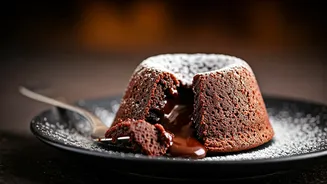
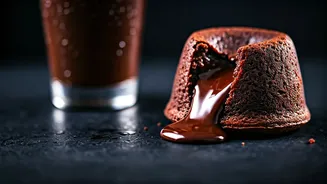
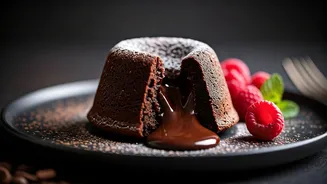
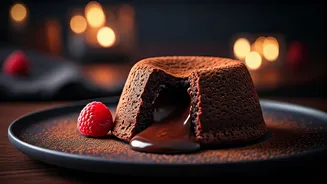
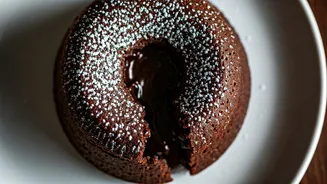
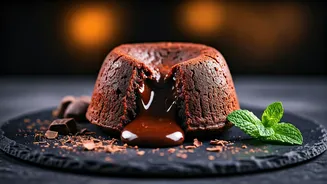
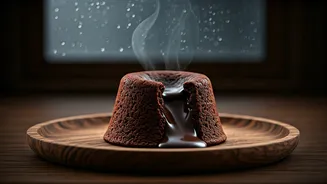
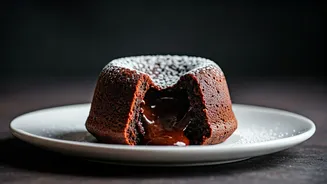
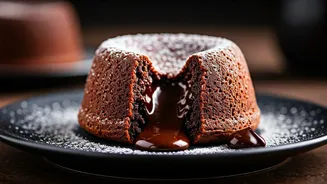
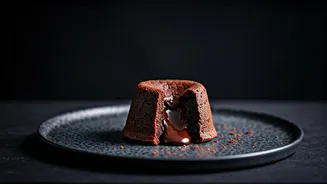
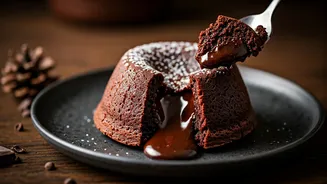
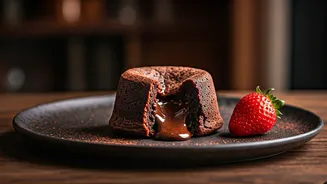
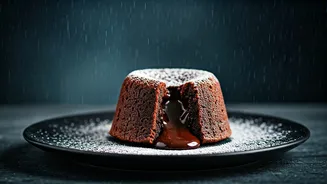
What makes this dessert so irresistible? It’s a multi-sensory experience. The appeal starts with the visual drama—the 'wow' moment when the liquid centre is revealed. [5] This taps into our anticipation and makes the dessert feel like an event. [5] Then there's the contrast of textures and temperatures: the soft, firm cake against the warm, flowing chocolate, often paired with cool, creamy vanilla ice cream. [13] The warmth enhances the aroma of the chocolate, making it more intense. [5, 8] This combination of a comforting, familiar flavour with a luxurious texture and an interactive element creates a deeply satisfying experience that feels both elegant and indulgent. [5, 12] The ingredients are simple—usually just high-quality chocolate, butter, eggs, sugar, and a little flour—but the precision required in baking is key to achieving the signature texture contrast. [2, 14]
From Fine Dining to a Cafe Staple
Initially an exclusive treat found in Michelin-starred restaurants, the chocolate lava cake’s popularity saw it spread like its own molten centre. [9, 12] By the late 1990s and early 2000s, it had trickled down from fine dining establishments to casual chain restaurants and cafes across the globe. [6, 11] Its journey in India followed a similar path. Once a symbol of Western luxury dining in metropolitan cities, it is now a beloved staple in cafes, bakeries, and restaurants in smaller towns too. It’s the go-to dessert for celebrations, a comforting treat on a rainy day, and a reliable crowd-pleaser on almost any menu. Its ability to be prepared in advance and baked to order makes it a practical and profitable choice for restaurants. [16]
A Dessert for the Digital Age
In an era dominated by social media, the chocolate lava cake had a distinct advantage: it is incredibly photogenic. The 'money shot' of the chocolate oozing from the centre is perfect for Instagram feeds and TikTok videos, creating endless free marketing and keeping the dessert in the public eye. This visual appeal has undoubtedly contributed to its sustained popularity among younger generations. The simple act of cutting into the cake and watching the 'lava' flow has become a shared digital experience. It's not just a dessert; it's content. This has helped solidify its status not just as a classic, but as a trend that never seems to fade.