



The Promise of Plain Rice Water
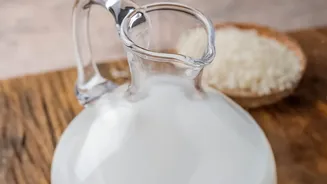
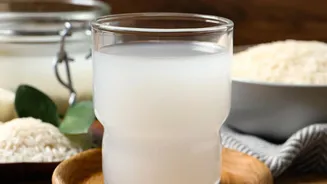
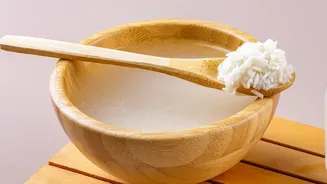
The cloudy liquid left over from rinsing rice is filled with starch and trace amounts of nutrients like nitrogen, phosphorus, and potassium (NPK), which are essential for plant growth. The starch itself isn't a direct fertilizer but acts as food for beneficial
microbes in the soil. These microorganisms help improve soil structure and make nutrients more available to the plant's roots. Some studies have shown that using rice water can lead to stronger root systems and lusher growth in plants like tomatoes, peppers, and leafy greens. Fermenting the rice water for a few days can further increase the nutrient levels and introduce beneficial bacteria, making it even more potent. However, it's important to remember that rice water is a mild supplement, not a replacement for a balanced fertilizer.
The Silent Killer: Salt
Never use water from boiling salted rice. While humans need salt, it is extremely harmful to most plants. Salt in the soil creates a state of 'reverse osmosis'. Instead of roots drawing water up into the plant, the high salt concentration in the soil actually pulls water out of the roots, leading to dehydration and wilting, even when the soil is moist. This process, known as phytotoxicity, can effectively cause the plant to die of thirst. Furthermore, an accumulation of salt can block the plant's ability to absorb other essential nutrients, leading to deficiencies, yellowing leaves, and stunted growth. The damage from salted water is often difficult to reverse and can render the soil infertile over time.
Why Oil and Fats Clog Everything
It might seem harmless to toss out cooking water that has a bit of oil or fat in it, but for your plants, it's a major problem. Oil coats soil particles, creating a waterproof, or hydrophobic, barrier. This film prevents water and air from penetrating the soil and reaching the plant's roots. Without adequate oxygen, the roots can't function properly, and the beneficial microbial life in the soil can be suffocated. This disruption to the soil ecosystem hinders nutrient cycling and can lead to root rot. Studies on soil contamination show that oil negatively affects a plant's ability to grow, develop, and maintain healthy leaves and roots.
Spices and Seasonings Are for Food, Not Flora
The same spices that make our food delicious can be irritants or even toxic to plants. Many common spices contain volatile oils and potent compounds that can disrupt soil chemistry and harm sensitive root systems. For instance, the capsaicin in chilli powder can act as an irritant, while other strong spices can deter the very soil microbes you are trying to encourage with the rice water. Even seemingly benign seasonings can upset the delicate pH balance of the soil, making it harder for plants to thrive. The rule is simple: if you wouldn't give your plant a glass of plain water with a spoonful of curry powder, don't use cooking water that contains it.
The Correct and Safe Method
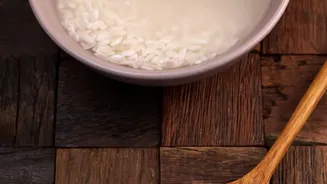
To safely use rice water, stick to the liquid from rinsing uncooked, unseasoned rice. Simply place your rice in a bowl, cover it with water, and swish it around with your hands until the water becomes cloudy. Pour this liquid off into a separate container. You can use this 'fresh' rice water immediately. Many sources suggest diluting it, especially if it's very cloudy, with a common recommendation being one part rice water to five parts fresh water. For a more powerful boost, you can ferment it. Pour the rinse water into a jar, cover it loosely with a cloth, and let it sit at room temperature for two to five days until it has a slightly sour smell. This fermented version is more potent and should be diluted at a ratio of about 1:10 with fresh water before use.
Best Practices for Your Plants
Moderation is key. Using rice water, even when prepared correctly, too frequently can lead to problems. An excess of starch can create a crust on the soil surface, blocking air, or attract pests like fungus gnats. A general guideline is to water your plants with fresh, diluted rice water no more than once a week, and with the more potent fermented version only once every two weeks during the growing season. It's beneficial for many common houseplants like pothos and spider plants, as well as garden vegetables such as tomatoes. Always apply it to the soil, not the leaves, and if you notice any mould or unpleasant smells, stop using it and flush the soil with plain water.