





Meet the Monsoon Party Crashers
If you've noticed tiny, black, mosquito-like insects hovering around your potted plants, you've likely met fungal gnats. These small flies are a common nuisance, especially during the rainy season. While the adult gnats are mostly harmless to humans,
their larvae, which live in the top layer of moist soil, are another story. These larvae feed on soil fungi and decaying organic matter, but they also chew on the delicate roots and root hairs of your plants. An infestation can lead to yellowing leaves, stunted growth, and an overall unhealthy plant, which is the last thing any balcony gardener wants to see.
Why Your Balcony Is Their Favourite Haunt
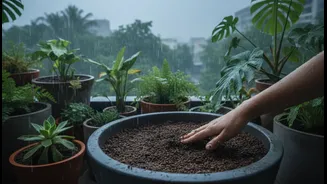
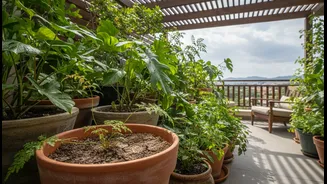
The monsoon creates a perfect storm for fungal gnat infestations. Increased humidity and frequent rain mean your pots are constantly damp, providing the ideal breeding ground. Fungal gnats thrive in soggy soil because it's where their primary food source—fungus—grows best. The adults lay hundreds of eggs in the moist topsoil, and in a week, a new generation can explode, turning your green sanctuary into their nursery. The core of the problem often lies in poor drainage. When water can't escape, the soil becomes waterlogged, creating the exact swampy conditions these pests adore.
The Five-Minute Drainage Diagnosis
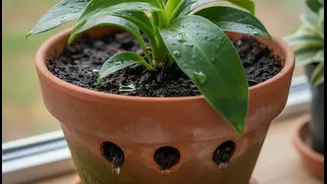
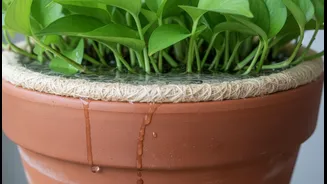
Before you can fix the problem, you need to confirm it. How do you know if your pots have bad drainage? First, check for drainage holes. It sounds basic, but many decorative pots don't have them. If they do, are they blocked? Sometimes roots or compacted soil can clog these essential exits. After watering, check if water sits in the saucer for hours. If it does, your plant's roots are essentially sitting in a puddle. Another tell-tale sign is soil that feels constantly wet to the touch, even days after watering. If you notice a musty smell or green moss growing on the soil surface, it's a clear indicator of excessive moisture and poor aeration.
Low-Cost Upgrades for Better Flow
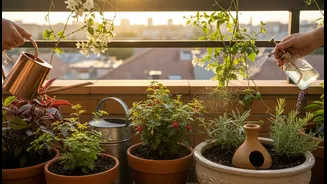
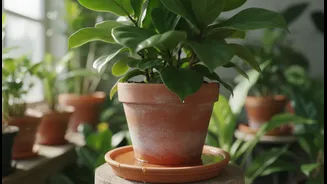
Protecting your plants doesn't require expensive solutions. The best defence is a good offence focused on drainage. Ensure every pot has at least one drainage hole; if not, you can carefully drill one using a bit suitable for the material. A timeless Indian technique is to place a layer of 'theekri' (broken terracotta pot pieces) over the hole to prevent soil from washing out. Elevating your pots is another simple, effective trick. Use pot feet, bottle caps, or even small flat stones to lift the pot slightly off the ground or saucer, allowing air to circulate underneath and water to escape freely. For larger pots, amending your soil with coarse sand or perlite improves its structure, allowing water to pass through more easily.
Beyond Drainage: Supporting Tactics
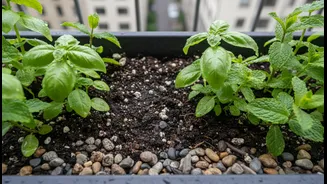
While improving drainage is the most crucial step, a few other habits can help. The number one rule is to avoid overwatering. Allow the top one to two inches of soil to dry out completely before you water again. This disrupts the larvae's lifecycle. For a chemical-free approach, yellow sticky traps are excellent for catching adult flies and reducing the population. You can also sprinkle a thin layer of cinnamon powder on the soil surface; it's a natural fungicide that makes the soil less hospitable for the gnats' food source. Some gardeners in India also recommend watering with a diluted solution made from soaking neem cake ('neem ki khali') in water, as it can help deter larvae.