






The C-Suite Executive
At the top of the corporate ladder, roles like the Chief Executive Officer (CEO) are defined by tasks that AI cannot replicate. While AI can analyse market data and optimise supply chains, it cannot craft a strategic vision, inspire a workforce, or build
trust with a board of directors. The core of executive leadership lies in navigating ambiguity, managing complex stakeholder relationships, and making high-stakes judgment calls where there is no perfect data set. These leaders are responsible for the organisation's culture, morale, and ultimate accountability—qualities rooted in emotional intelligence and lived experience. AI can serve as a powerful advisory tool, providing insights to inform decisions, but it cannot replace the human at the helm who must weigh ethical implications, take responsibility for outcomes, and lead people through change. The C-suite is evolving, with some companies even adding roles like a Chief AI Officer, but the fundamental need for human leadership remains.
The Specialist Surgeon
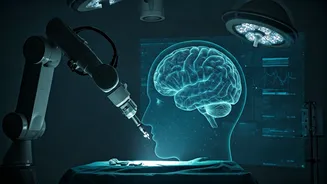
In the high-pressure environment of an operating theatre, the role of a surgeon is protected by a combination of expert judgment, fine motor skills, and the ability to adapt to the unexpected. While AI is becoming a valuable tool in medicine—assisting with diagnostics by analysing scans and automating administrative tasks—it cannot perform a complex surgery. A surgeon's job involves more than just technical precision; it requires the ability to physically examine a patient, interpret nuanced feedback, and make critical, real-time decisions when complications arise. The doctor-patient relationship itself, built on trust and empathy, is a fundamentally human interaction that AI cannot simulate. Moreover, the legal and ethical accountability for a patient's life rests entirely with the human physician. AI can augment a surgeon's capabilities, for instance by analysing surgical videos to identify areas for improvement, but it cannot replace the hands-on dexterity and holistic judgment required in the operating room.
The Senior Judge or Trial Lawyer
The justice system is another domain where human qualities are irreplaceable. While AI can revolutionise legal research by sifting through case law in seconds, it cannot preside over a courtroom or persuade a jury. The work of a senior judge or a trial lawyer is deeply rooted in understanding human context, motivation, and emotion—areas where AI falls short. A judge must interpret the spirit of the law, not just the letter, and make decisions that balance complex ethical principles. This requires a level of moral reasoning and lived experience that algorithms do not possess. Similarly, a trial lawyer's success depends on building rapport, reading non-verbal cues, and crafting a narrative that resonates on a human level. These are skills of empathy and strategic communication. Courts are exploring AI for administrative efficiency, but have strict guardrails to prevent it from influencing core judicial judgment, acknowledging risks like inherent bias in AI models. Ultimately, the legal system demands human accountability, a responsibility that cannot be delegated to a machine.