






A Tale of Two Seas
For over a century, the story of cyclones in the North Indian Ocean was overwhelmingly one-sided. The Bay of Bengal was the traditional hotspot, responsible for roughly four times as many cyclones as the Arabian Sea. Its warmer waters, higher humidity,
and unique basin shape made it a fertile breeding ground for devastating storms. The Arabian Sea, by contrast, was historically cooler and featured atmospheric conditions like strong wind shear that tended to suppress the formation and intensification of cyclones. This climatological reality shaped disaster preparedness, infrastructure planning, and public perception for decades, with the eastern coast being the primary focus of cyclone-related concerns.
The Arabian Sea's Alarming Shift
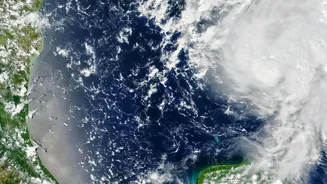
That historical balance is now changing. In recent years, scientists have observed a significant and worrying trend: a marked increase in both the frequency and intensity of cyclones forming in the Arabian Sea. According to one study, the frequency of cyclones in the Arabian Sea saw a 52% increase between 2001 and 2019, while the Bay of Bengal saw an 8% decrease in the same period. Storms like Tauktae (2021) have demonstrated this new reality, becoming one of the most severe cyclones to hit the western coast in recent history. This shift means that India's western coastline, from Gujarat to Kerala, can no longer be considered a low-risk zone. The threat is now on both fronts, demanding a complete re-evaluation of national risk.
The Science of Warmer Waters
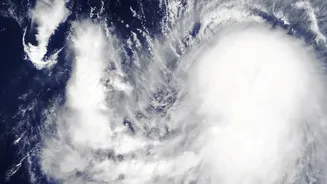
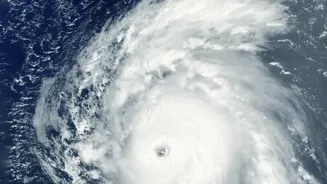
The primary driver behind this dangerous shift is climate change, specifically the rapid warming of sea surface temperatures (SSTs). Oceans absorb over 90% of the excess heat trapped by greenhouse gases, and the Indian Ocean is warming at a faster rate than the global average. Within the Indian Ocean, the western parts, including the Arabian Sea, are heating up even more rapidly. Sea surface temperatures in the Arabian Sea have risen by 1.2 to 1.4 degrees Celsius in recent decades. Since cyclones draw their energy from warm ocean waters—with a temperature of 26.5°C generally considered the minimum threshold for formation—this extra heat acts as fuel. It not only allows more storms to form but also enables them to intensify rapidly, sometimes jumping from a weak storm to a 'very severe' or 'extremely severe' cyclone in less than 24 hours.
The Tangible Impacts on India
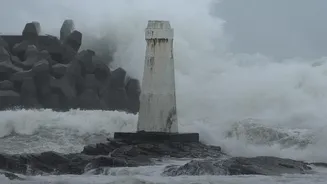
This new cyclonic activity isn't just a scientific curiosity; it has profound real-world consequences. More intense storms bring stronger winds, higher storm surges, and more extreme rainfall, leading to greater destruction of homes, infrastructure, and agricultural land. The recent activity in the Bay of Bengal with cyclones Arnab and Murasu in late 2026, which led to widespread evacuations and damage in Andhra Pradesh, highlights the persistent and severe threat to the eastern coast. The increasing unpredictability and rapid intensification of these storms pose a huge challenge for forecasting agencies and disaster management authorities, shrinking the crucial window for effective evacuation and preparedness. Coastal communities, which are home to millions of people, now face a heightened risk of flooding, displacement, and economic disruption on an annual basis.
Strengthening India's Defences
In response to this escalating threat, India has significantly evolved its disaster management strategy. The approach has shifted from being purely responsendriven to focusing heavily on preparedness and risk reduction. This includes the development of more sophisticated early warning systems by the India Meteorological Department (IMD), such as impactbased forecasts that predict not just the weather but its potential ontheground consequences. The National Cyclone Risk Mitigation Project (NCRMP) has been instrumental in building resilient infrastructure like cyclone shelters, strengthening embankments, and improving evacuation routes. Coordinated efforts between the National Disaster Response Force (NDRF), state agencies, and local administrations ensure that precyclone mock drills, evacuation planning, and community awareness campaigns are regularly conducted to prepare for the inevitable.