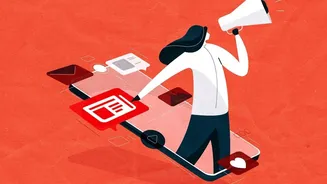





In a country where WhatsApp is installed on over 99% of smartphones, the messaging app became a decisive political battleground. Here’s how a massive, coordinated digital campaign played a crucial role in Luiz Inácio Lula da Silva's 2022 election comeback.
A Digital Wake-Up Call
For years, Brazil's right-wing politicians, particularly former president Jair Bolsonaro and his supporters, dominated the digital landscape. Their successful use of social media and messaging apps in the 2018 election was a game-changer. Heading into the 2022 runoff, Lula's campaign initially underestimated the power of this digital arena and found itself being outmaneuvered online. After an unexpected first-round loss, Lula's team realized it had to fight fire with fire and overhaul its digital strategy to compete. This set the stage for one of the most remarkable digital turnarounds in recent political history.
Enter 'Lula's Army'
The centerpiece of this new strategy was a WhatsApp channel called 'Exercito do Lula', or 'Lula's Army'. While not officially created by the campaign, it was led by Congressman André Janones, an aggressive digital campaigner who became what Lula himself called 'our general'. Starting with around 60,000 followers after the first round, the channel exploded to nearly 11 million subscribers in just a few weeks. Janones used the one-way channel to issue daily 'missions' to his followers, transforming them into a disciplined digital volunteer force.
A New Kind of Campaigning
The 'missions' assigned to Lula's Army were simple but effective. Followers were instructed to share pre-made campaign videos, promote specific hashtags on platforms like X (formerly Twitter), and recruit friends to join the channel. This approach, described by some as 'electoral gamification', gave supporters a tangible way to contribute to the campaign's success. Janones adopted the aggressive, high-energy style of his opponents, using all-caps messages and urgent calls to action to keep morale and engagement high. This constant stream of activity created a powerful sense of momentum and community among millions of supporters.
Beyond Mobilization: The Information War
The WhatsApp campaign was not just about spreading positive messages. It was also a critical tool in the fight against disinformation, which was rampant during the election. The network allowed the campaign to rapidly counter false narratives and amplify fact-checks to a massive audience. In a political environment where distinguishing fact from fiction was a major challenge, this ability to quickly correct the record was invaluable. The campaign also focused on reclaiming national symbols, like the yellow Brazilian football jersey, which had been co_opted by the right, by encouraging supporters to wear it proudly.
The Real World Impact
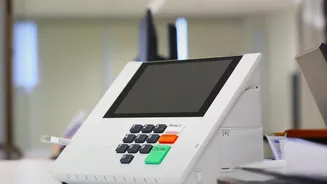
While it is difficult to quantify the exact electoral impact, analysts agree the digital strategy was a key factor in Lula's victory. The campaign successfully energized the base, reduced voter abstention, and helped mobilize the millions of additional voters who turned out for the runoff. Even Lula, who had long avoided using a personal smartphone, was gifted one during the campaign to join the 'army' himself, signaling a fundamental shift in his approach to communication. The strategy connected online enthusiasm directly to grassroots, get out the vote efforts, proving that a decentralized digital movement could deliver real world results.