



Preparation is Key
Before you even think about placing a pin, setting the right foundation will make all the difference. While some styles grip better on second-day hair, the key is texture, not cleanliness. If your hair is freshly washed and too silky, bobby pins are more
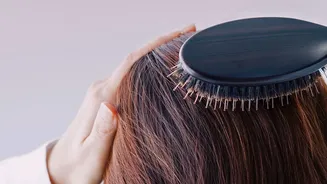
likely to slide out. A light mist of dry shampoo or a texturizing spray at the roots will give the pins something to hold onto. For those with particularly fine or smooth hair, you can also lightly spray your bobby pins with hairspray and let them dry to a tacky finish before using them; this adds an extra layer of grip. Once your hair has a bit of texture, brush it back away from your face to prepare for sectioning.
Mastering the Pinning Technique
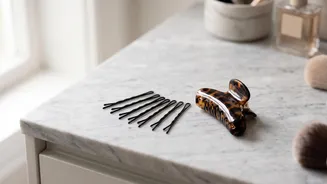
How you insert the bobby pin is crucial for a secure, long-lasting hold. The most common mistake is trying to capture too much hair in one pin. This forces the pin open and allows hair to slip out. Instead, take a small section of your bangs and twist it tightly. When you insert the pin, aim to catch only a small amount of hair in its opening. For maximum hold, insert the pin with the ridged side against your scalp; the ridges are designed to grip the hair more effectively. An even stronger method is the 'locking' technique: after inserting the first pin, place a second one crisscrossing the first to form an 'X'. This creates tension and provides a much more secure anchor that can withstand movement throughout the day.
Creating a Seamless Blend
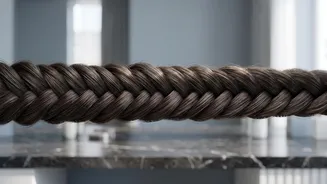
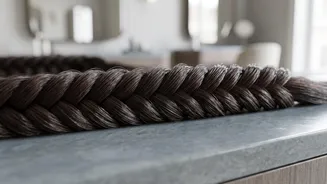
The goal is to make it look like you don't have bangs at all. Once your bangs are securely pinned back, the next step is to hide the evidence. A clever trick is to use a small section of longer hair to cover the bobby pins. Take a thin strand of hair from just behind the pinned area, pull it over the bobby pins, and secure it underneath with another pin. This creates a smooth, polished transition that looks intentional rather than like a quick fix. You can also incorporate the pinned-back section into a larger design element, such as a French braid that starts at the hairline and travels back.
Updo Styles That Work Wonders
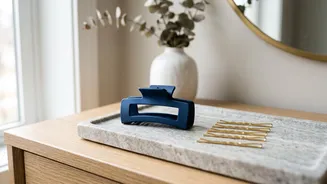
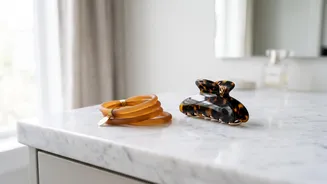
With your bangs securely tucked away, a world of updo possibilities opens up. A messy top knot is a forgiving and stylish option. The volume at the crown helps blend the root of your bangs into the rest of the style, preventing an awkward disconnect. For a more formal look, a sleek chignon or a classic ballerina bun works beautifully. Isolate your hair into sections, twisting each one back and pinning them into a low knot to trap any shorter layers. Another easy yet chic option is a claw clip updo. After pinning back your bangs, gather your remaining hair, twist it vertically, and secure it with a large claw clip for an effortless look.
Finishing Touches for a Flawless Hold
Once your updo is complete and your bangs are secured, the final step is to lock everything in place. A strong-hold hairspray will tame any remaining flyaways and provide a humidity shield. For extra-stubborn baby hairs around the hairline, a styling wax stick or a taming wand can provide precise control without making your hair feel stiff or greasy. These products are perfect for smoothing down those small, wispy hairs that escape the pins. Gently run the wand over any flyaways for a sleek, polished finish that will last all day.