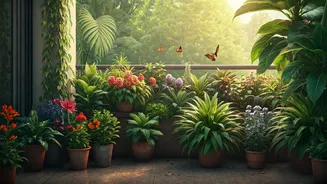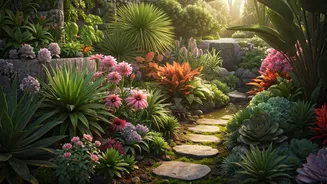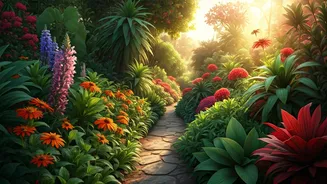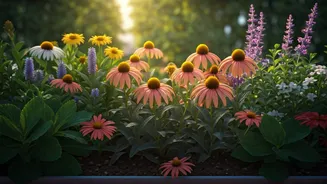


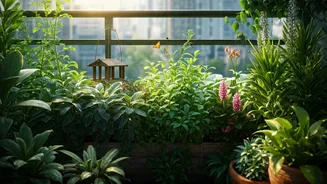
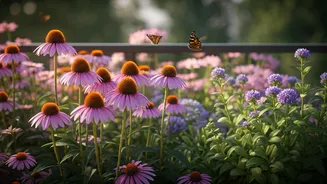


The Old Guard of Gardening
For decades, the ideal Indian garden, particularly in urban areas, seemed to follow a very specific, often colonial, template. It was defined by manicured green lawns, neatly pruned rose bushes, and vibrant but thirsty Bougainvillea. While beautiful,
this aesthetic often demanded a high price. These gardens relied on a constant supply of water, chemical fertilisers to enrich the soil, and pesticides to fight off pests that local plants would naturally resist. This approach created visually pleasing but ecologically silent spaces—little havens for humans, but often a desert for local birds, bees, and butterflies that have co-evolved with native flora.
Why Native is a Smarter Choice
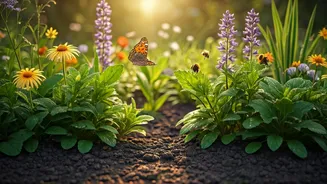
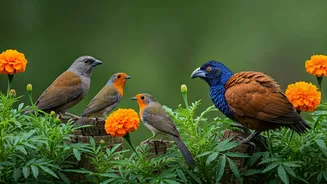
The shift towards native plants is driven by a simple, powerful realisation: what grows best here is what belongs here. Indigenous plants are perfectly adapted to the local climate, soil conditions, and rainfall patterns. This means they are naturally resilient and require far less intervention. A garden filled with native species is a low-maintenance paradise. You’ll spend less time and money on watering, fertilising, and pest control. More importantly, you create a vibrant ecosystem. Native plants provide the right kind of food and shelter for local pollinators and birds, bringing your garden to life with chirps, buzzes, and fluttering wings. It’s a move from a static display to a dynamic, living habitat.
A Tapestry of Indian Flora
India's incredible biodiversity offers a stunning palette for any gardener. Instead of defaulting to exotic species, we can explore a rich botanical heritage that is both gorgeous and ecologically sound. This is about more than just gardening; it's about reclaiming a piece of our natural identity. These plants feature in our folklore, our traditions, and our medicine. Planting a Parijat (Night-flowering Jasmine) isn't just about adding a fragrant shrub; it's about connecting with stories and scents that have perfumed Indian nights for centuries. From the fiery Palash (Flame of the Forest) to the elegant Sita Ashok, our native flora tells a story of place and permanence.
Beautiful Native Plants to Consider
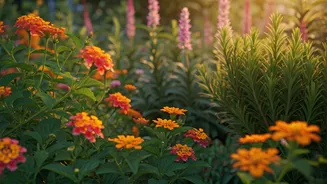
Ready to get started? The options are endless and vary by region, but here are a few widely loved choices that thrive in many parts of India: * **For Fragrance and Flowers:** The Parijat (Nyctanthes arbor-tristis) is a small tree or shrub whose flowers bloom at night and carpet the ground in the morning. Indian Jasmines like Juhi, Chameli, or Mogra offer intoxicating scents. The Shankhpushpi (Clitoria ternatea), with its striking blue-pea flowers, is a beautiful and hardy creeper. * **For Bold Colour:** The Indian Coral Tree (Erythrina variegata) produces stunning scarlet flowers that attract numerous birds. The Palash (Butea monosperma), known as the Flame of the Forest, sets the landscape ablaze with its orange-red blooms. The vibrant yellow flowers of the Indian Laburnum (Cassia fistula) are a spectacular summer sight. * **For Attracting Butterflies:** Curry Leaf (Murraya koenigii) is a must-have for the kitchen and a host plant for the Common Mormon butterfly. The Indian Lantana (Lantana camara) is a hardy shrub whose flowers are a magnet for various butterfly species.
How to Begin Your Native Garden Journey
Transforming your garden doesn't have to happen overnight. Start small. Identify a small patch or a few pots to dedicate to native species. The best way to know what works is to observe. Look at what grows wild in your locality—on roadsides, in parks, or in neglected plots. These are the survivors, the plants that are truly at home. Visit local nurseries and specifically ask for native plants; your demand will help encourage them to stock more. Connect with local gardening groups or online forums dedicated to native gardening in India. Sharing knowledge and saplings is a huge part of this community-driven movement.