








The Rise of the Midnight Feast
A fundamental change is underway in India's urban centres. Spurred by the evolving habits of younger consumers, the traditional concept of dinnertime is expanding deep into the night. Over the past year, late-night food delivery volumes have doubled,
a trend accelerated by global sporting events like the FIFA World Cup, which have viewers tuning in at all hours. Major platforms have seen demand for orders placed between 11 p.m. and 3 a.m. surge by as much as 12-15%. This isn't just a fleeting spike; it reflects a broader lifestyle transformation where late-night work, entertainment, and socialising are becoming the norm. In response, quick-service restaurants (QSRs) and delivery aggregators are rapidly adapting. Chains like McDonald's now keep about 20% of their outlets in key cities open until 3 a.m., while Domino's has also expanded its late-night services across many of its 2,450 stores.
A New Economic Frontier
For restaurants and cloud kitchens, the after-hours window presents a lucrative opportunity. With fixed costs like rent and utilities already covered by daytime operations, extending service hours allows them to generate significant extra revenue with minimal additional expense. Some eateries report that late-night orders now account for 15-25% of their total sales, rivalling their lunchtime business. The competitive landscape is also different after midnight; with fewer restaurants open, those that are can capture a larger share of the market. However, this new frontier comes with logistical hurdles. Limited availability of delivery partners during odd hours can lead to longer delivery times. Platforms often address this by consolidating multiple orders for a single rider and by expanding the delivery radius for the few kitchens that remain operational.
Beyond Meals: The Quick Commerce Push
This “after-hours” phase isn’t just about delivering pizzas and burgers past midnight. It’s part of a larger strategic evolution where food delivery platforms are morphing into comprehensive quick-commerce providers. Companies like Swiggy with its Instamart service are extending grocery and essentials delivery well into the early morning, with some dark stores operating 24/7. The demand for late-night packaged foods, such as ice cream and snacks, has seen a significant boom, with sales spiking up to 40% during major televised events. This expansion signifies a maturing market where the focus is shifting from simply acquiring new users to increasing the ordering frequency and average order value from the existing customer base. The goal is to become an indispensable, all-hours utility for the urban consumer.
Growth Beyond the Metros
While Bengaluru, Hyderabad, and Mumbai lead the charge in late-night orders, the trend is rapidly spreading to India’s tier-2 and tier-3 cities. Emerging markets like Surat, Thiruvananthapuram, and Patna are showing robust growth in both order frequency and the amount spent per order. This geographic expansion indicates that the lifestyle shifts driving the 24/7 delivery model are not confined to the largest metropolitan areas. As digital infrastructure improves and consumer habits evolve nationwide, the after-hours market is poised to become a permanent and crucial pillar of the country's food services sector. The industry's potential for growth is now seen as being driven more by getting existing users to order more often, rather than just adding new ones.
The Human Cost of Convenience
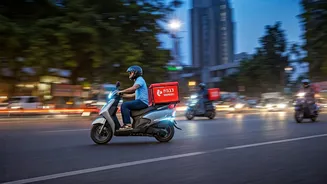
The transition to an all-hours economy places new demands on the gig workforce that powers it. For some delivery partners, night shifts are preferable due to less traffic and cooler temperatures. Platforms may also offer higher incentives for late-night work to ensure rider availability. However, this shift comes at a cost. Many restaurants are managing these extended hours without hiring additional staff, leading to smaller teams working more hectic shifts. For delivery riders, the pressure to meet targets, combined with sparse services and emptier roads that encourage rash driving, can create strenuous and sometimes dangerous working conditions. As the after-hours delivery market continues to grow, ensuring the well-being and fair compensation of the workers who make it possible remains a critical challenge.