

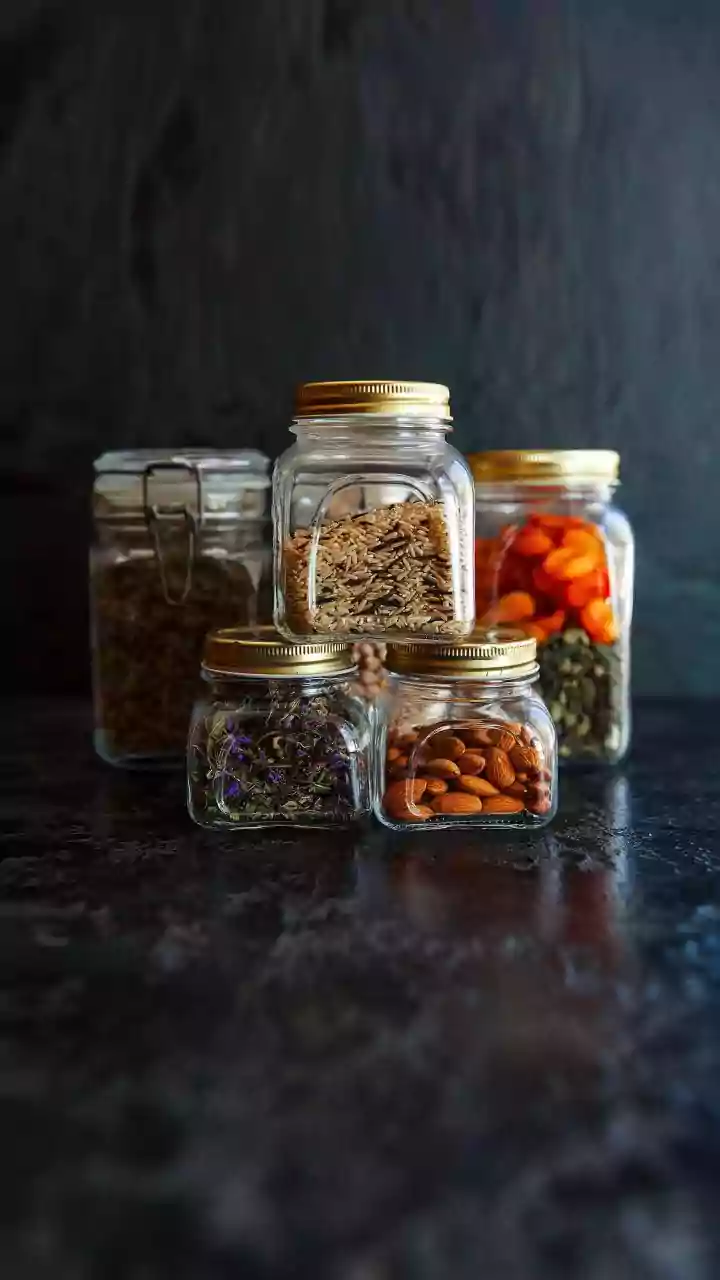


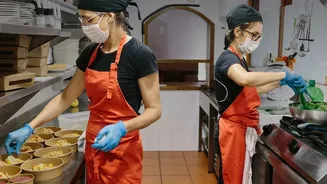
For busy working couples, the question of 'what's for dinner?' can feel like a daily burden. Reclaim your evenings with a simple, effective strategy: batch cooking twice a week. It's the secret to enjoying fresh, home-cooked Indian meals.
The Twice-a-Week Advantage
Instead of spending
hours on a Sunday prepping meals for the entire week, which can lead to monotonous food by Thursday, the twice-weekly model keeps things fresh and flexible. A larger cooking session on the weekend (say, Sunday) sets you up for the first half of the week, while a shorter, quicker session mid-week (perhaps on Wednesday) stocks your fridge for the second half. This approach reduces food fatigue, minimizes waste, and ensures your meals retain their texture and flavour. It's about working smarter, not harder, in the kitchen, giving you back precious time during the work week.
Your Sunday Prep Session: The Foundation
Your first session is about creating versatile building blocks. Don't think about cooking complete meals; focus on components you can mix and match. A great starting point is a large batch of a universal curry base, often an onion-tomato masala. This can be refrigerated for several days or frozen for longer. Boil a couple of types of legumes, like chickpeas (chana) and kidney beans (rajma), which can be used for curries, salads, or chaats. You can also cook a large portion of one type of dal, knead chapati dough and store it in an airtight container, and chop hearty vegetables like carrots, beans, and bell peppers.
Sample Sunday Cooking Plan
To make it concrete, your Sunday could look like this:
1. Onion-Tomato Masala: Sauté a large batch of chopped onions, ginger-garlic paste, and pureed tomatoes with turmeric and chilli powder. This is your magic base for numerous curries.
2. Boiled Legumes: Pressure cook a large batch of soaked chana and rajma. Store them in their boiled water in the fridge.
3. Dal Base: Cook a generous quantity of toor dal or a mixed dal. Keep it plain; the 'tadka' (tempering) can be done fresh before each meal for better flavour.
4. Dough and Grains: Knead atta dough for rotis and store it in an oiled, airtight container. If you eat rice daily, you can cook enough for two to three days.
The Mid_Week Refresh:
Quick and Fresh
Wednesday evening is your chance for a quick refresh. This session shouldn't take more than an hour and focuses on delicate items that don't store well for a whole week. You can prepare a spinach (palak) puree for palak paneer or dal palak. Marinate paneer or chicken for a quick stir_fry or tikka for the next day. This is also a good time to chop more vegetables or prepare a fresh chutney, like mint_coriander, to add a burst of flavour to your meals for the remainder of the week. This mini_prep session ensures that your Thursday and Friday meals are just as exciting as Monday's.
Bringing It All Together:
Your Weekly Menu
With your prepped components, assembling daily meals becomes a 15_minute affair. Here’s how your week might look:
Monday:
Tuesday:
Wednesday:
Thursday:
Friday:
Monday: Heat your base masala, add the boiled chana, and simmer for a quick Chana Masala. Serve with fresh rotis.
Tuesday: Give your plain cooked dal a fresh tadka of cumin, garlic, and dried red chillies. Serve with rice and a simple side salad.
Wednesday: Use the boiled rajma with the base masala to create a delicious Rajma curry.
Thursday: Sauté your marinated paneer with some bell peppers from your Sunday prep for a quick Paneer Tikka Masala, using the same base gravy.
Friday: Combine your fresh spinach puree with the pre_cooked dal to make Dal Palak, or with some paneer for Palak Paneer. Serve with rotis.
Smart Storage is Key
Proper storage is crucial for keeping your prepped food fresh. Use airtight containers to store everything. Let cooked food cool down completely before refrigerating to prevent it from spoiling. Store gravies, dals, and cooked beans in the main part of the fridge, not the door. Most cooked dals and vegetable dishes will last for about 3_4 days when refrigerated properly. You can also freeze base gravies and cooked legumes for up to a month, providing even more flexibility for future weeks.