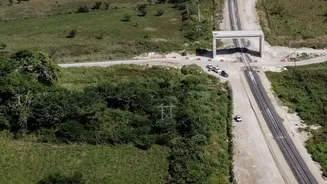


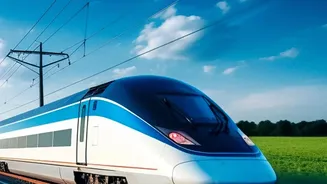
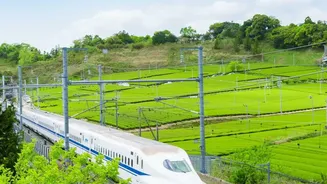
India's long-held ambition of a high-speed bullet train network is shifting from blueprint to reality. The first tangible step is now in sight, with the Surat-Vapi section of the Mumbai-Ahmedabad corridor targeted for a 2027 launch.
The First Step: Surat to Vapi
The initial focus of
India's high-speed rail ambitions is a section entirely within Gujarat, connecting the major industrial hubs of Surat and Vapi. According to Railway Minister Ashwini Vaishnaw, this portion of the larger 508-km Mumbai-Ahmedabad High-Speed Rail (MAHSR) corridor will be the first to become operational. The phased approach allows the National High Speed Rail Corporation Limited (NHSRCL) to open completed sections and begin service while construction continues on more complex parts of the route, particularly in Maharashtra. This strategy aims to deliver the first taste of high-speed rail travel to Indians by the last quarter of 2027.
An Ambitious 2027 Timeline
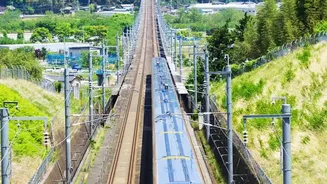
The target date for the first service is the end of 2027. Leading up to this, significant milestones are planned. Trial runs on the 50-km Surat-Bilimora stretch, which is part of the larger Surat-Vapi corridor, are expected to begin by mid-2027. Just recently, on November 20, 2026, the overhead electrical equipment on this 50-km segment was successfully energised, a critical step toward preparing the line for testing. While officials clarify that energisation doesn't mean the line is ready for passengers, it marks crucial progress toward making the section operational for trial runs and eventual commercial service.
The Technology of Speed
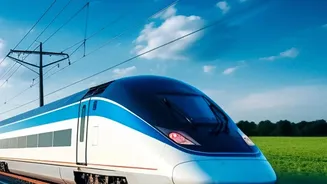
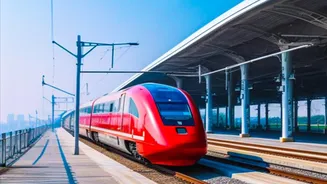
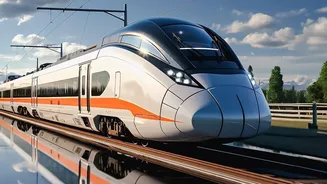
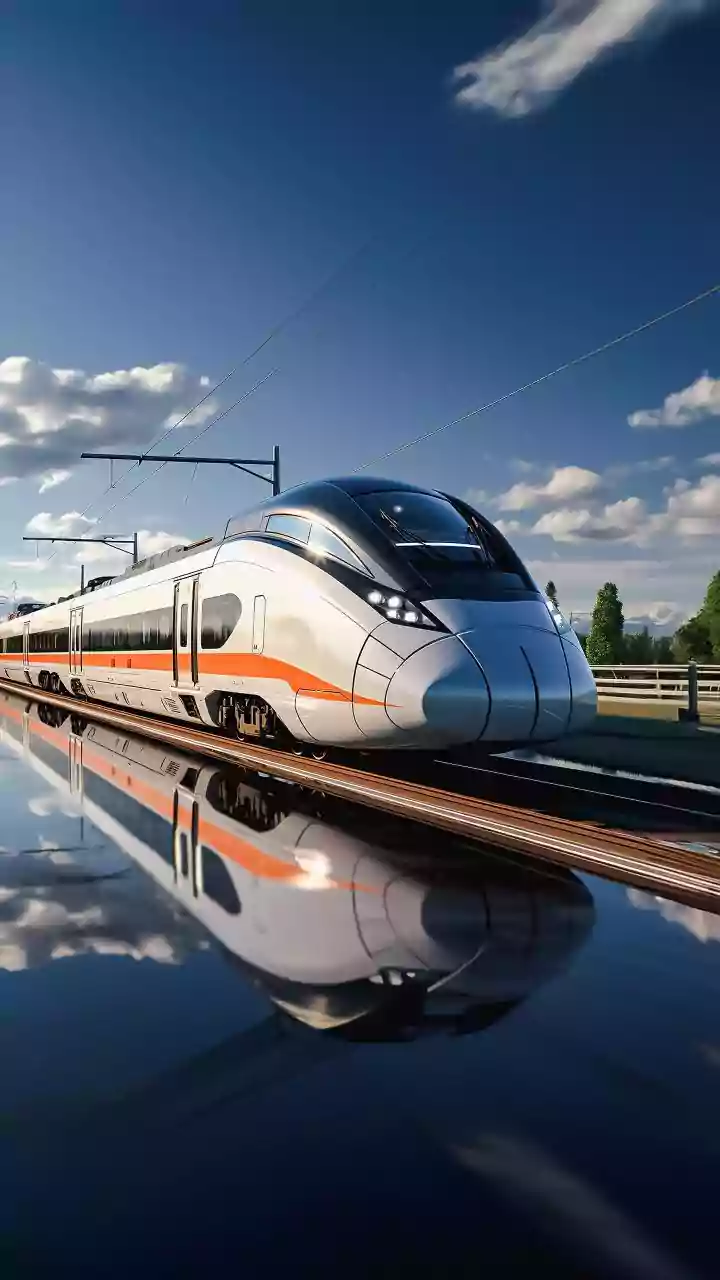
The MAHSR corridor is being built with Japanese Shinkansen technology, renowned for its safety and punctuality. While the initial plan involved using Japanese-built E5 series trains, which can operate at 320 km/h, there has been a significant push for domestic manufacturing. An indigenous train, currently designated B28, is being developed by the Integral Coach Factory (ICF) and BEML. This train is designed for speeds up to 280 km/h, and its first prototype is expected to be ready for track trials by mid-2027. This 'Made in India' train will likely be the first to run on the Surat-Vapi section, as the Japanese trains are expected to arrive later.
The Bigger Picture: Mumbai to Ahmedabad
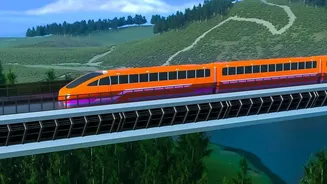
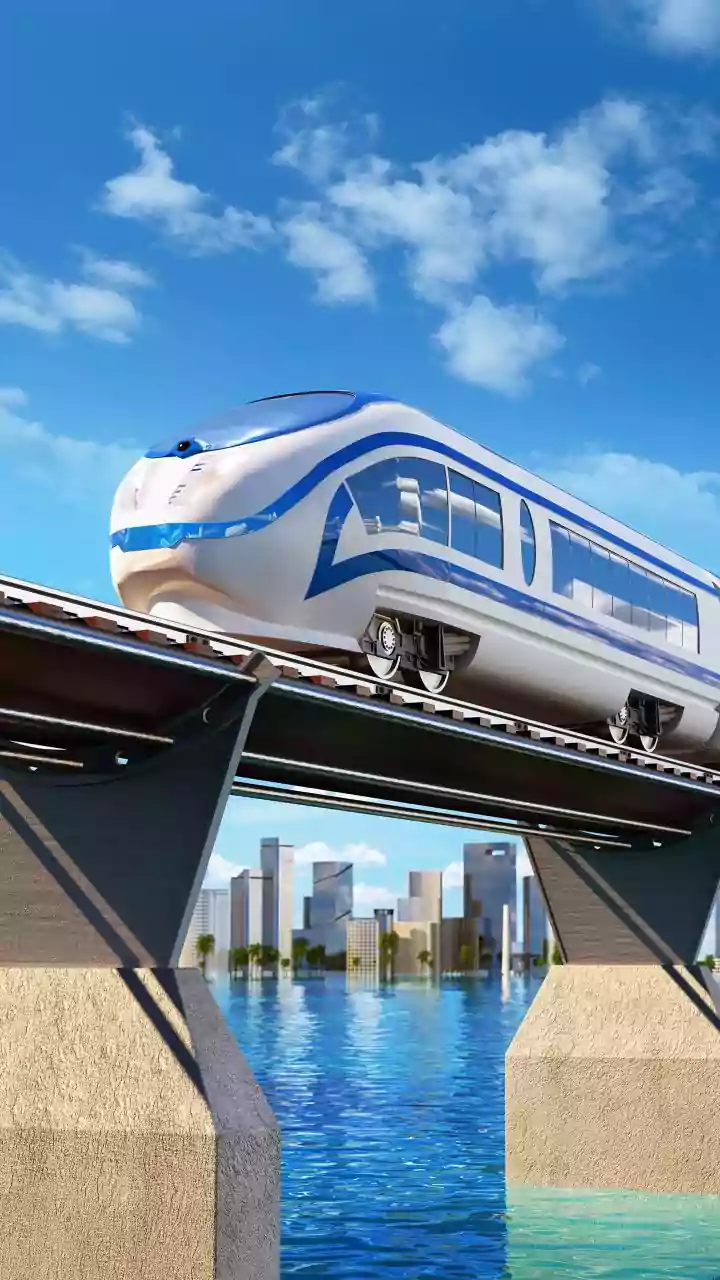
The Surat-Vapi section is just one piece of the massive 508-kilometre puzzle connecting Mumbai with Ahmedabad. The full corridor involves immense engineering challenges, including the construction of elevated viaducts for about 90% of its length, 12 stations, and India’s first undersea rail tunnel. This 21-km tunnel near Mumbai, with a 7-km portion under Thane Creek, is one of the most complex parts of the project. Due to earlier delays in land acquisition and permissions in Maharashtra, construction in the Gujarat portion has progressed more rapidly, which is why it will open first. The entire corridor, which will cut the eight-hour road journey between the two financial hubs to just under two hours, is expected to become operational in phases following the 2027 Gujarat launch.
What This Means for India
The launch of the first bullet train service will be a landmark moment for India's infrastructure and economy. High-speed rail is expected to trigger significant economic growth along the corridor, better integrating the industrial centres of Gujarat and Maharashtra. For passengers, it promises a revolutionary travel experience that is faster, safer, and more reliable than existing options. The project also represents a major leap in India's engineering and manufacturing capabilities, with a growing emphasis on producing high-speed rail components and even the trains themselves domestically. While the full corridor's completion is still some years away, the 2027 goal for the first section makes the bullet train dream feel closer than ever.