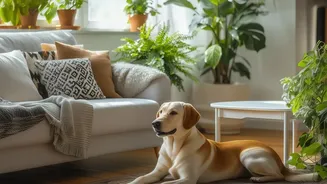




In urban India, the family dog is no longer just a pet, but a full-fledged member of the household. As a result, architects and designers are seeing a major shift, with homeowners renovating their spaces specifically for their canine companions.
Durable and Paw-Friendly Flooring
One of
the most significant changes architects report is the move away from glossy, slippery surfaces. Urban homes often feature marble or smooth vitrified tiles, which can be hazardous for dogs, potentially leading to joint issues from slipping and sliding. The modern solution involves materials that offer better grip and durability. Architects are incorporating non-slip options like matte-finish ceramic tiles, terracotta, and unpolished stones like Kota or Kadappa. These materials are not only safer for a dog's paws but are also scratch-resistant and easy to clean, making them a practical choice for a home with active pets.
Integrated and Hidden Pet Stations
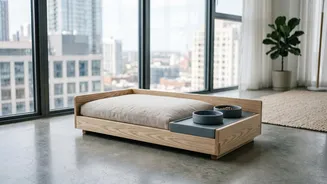
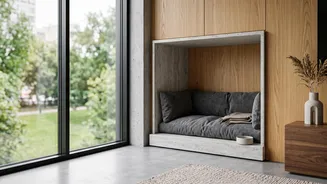
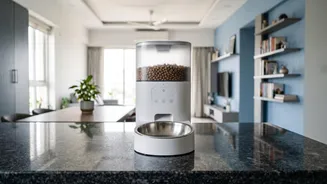
Clutter-free living is a major goal in compact urban apartments, and loose food bowls and bags of kibble don't fit the aesthetic. Designers are now creating integrated feeding stations that are both stylish and functional. A popular renovation involves building pull-out drawers in the kitchen or utility area cabinetry to house food and water bowls. This keeps them out of sight when not in use, prevents tripping hazards, and designates a specific dining spot for the dog. This 'barkitecture' trend extends to creating bespoke cabinetry that includes hidden beds or nooks, blending the pet's space seamlessly with the home's interior design.
Dedicated Washing Areas
Bathing a dog in the family bathroom can be a messy affair. To solve this, homeowners are now opting for dedicated dog-washing stations. These are often located in a utility area or a large balcony. A simple yet effective renovation includes installing a shower faucet at a lower height, making it easy to give a dog a quick rinse after a muddy walk in the monsoon. More elaborate setups might feature a tiled, walk-in niche with a handheld sprayer, keeping the mess contained and making the process more comfortable for both the pet and the owner.
Secured Balconies and Windows
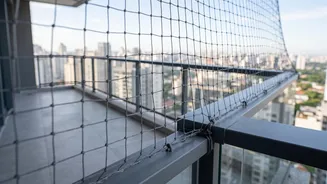
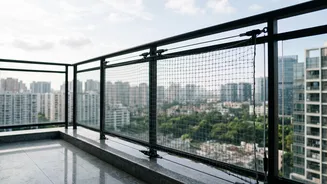
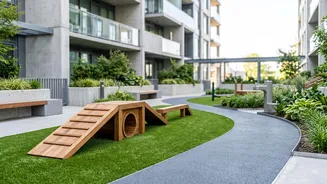
For apartment-dwelling dogs, the balcony is their primary connection to the outdoors. Safety is paramount, and architects are increasingly being asked to secure these spaces. A common and effective solution is the installation of 'invisible' mesh or grilles that prevent a dog from squeezing through railings or attempting to jump. Beyond safety, these spaces are being transformed into comfortable zones for pets. Some homeowners add strips of artificial turf to give their dogs a patch of 'grass', providing a clean and convenient spot for them to relieve themselves if a walk isn't immediately possible.
Pet-Proof Furnishings and Finishes
The renovation mindset extends to the furniture and wall finishes. To combat the wear and tear from claws and chewing, designers recommend materials that can withstand the chaos. Wooden furniture legs, for instance, are being swapped for metal ones. For upholstery, fabrics like leather, microfiber, and denim are popular choices as they are durable, easy to clean, and less likely to trap pet hair. On the walls, especially in high-traffic areas like corridors, washable paints and durable wallpapers are becoming standard, ensuring that muddy paw prints or a post-bath shake can be wiped away without a trace.
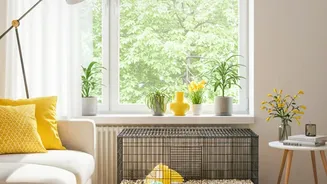
Just like humans, dogs need a space to call their own where they can retreat and feel secure. Architects are designing these 'pet nooks' into the very structure of the home. This can be a cosy corner under a staircase, a built-in bed within a living room cabinet, or a quiet spot in the study. These designated zones help reduce pet anxiety and prevent them from taking over human furniture. By providing a comfortable and safe space, homeowners are acknowledging their dog's need for personal territory within the shared family home.