


Visit an International Dark Sky Park
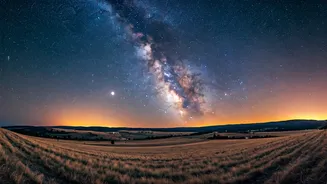
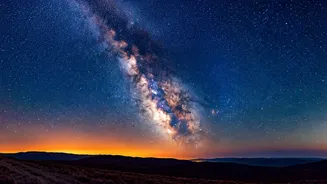
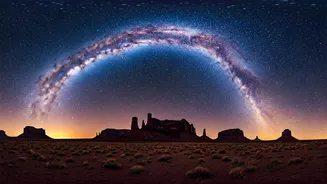
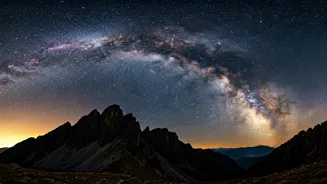
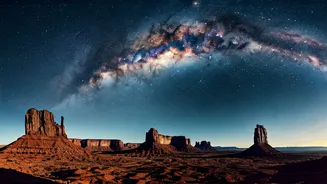
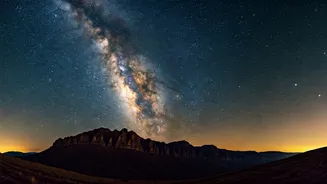
Forget a five-star hotel; the new luxury travel experience boasts billions of them. International Dark Sky Parks are areas certified by the International Dark-Sky Association for their exceptional starry nights and protected nocturnal environments. These
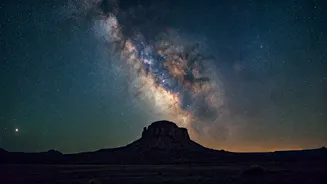
parks, from Big Bend in Texas to Death Valley in California, offer an unparalleled escape from the light pollution that obscures the heavens for over 80% of North Americans. Visiting one isn't just about seeing more stars; it's about experiencing the Milky Way as a brilliant, textured river of light, witnessing meteor showers without interference, and feeling a profound sense of scale and wonder. Many parks offer ranger-led astronomy programs, telescope viewing nights, and full-moon hikes, making the cosmos accessible even to absolute beginners. This trend, often called 'astrotourism,' is a direct response to our screen-saturated lives—a search for authentic, awe-inspiring moments that reconnect us to the natural world.
Join a Local Star Party
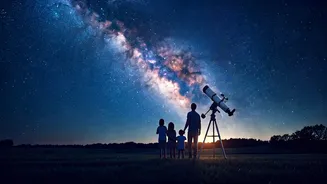
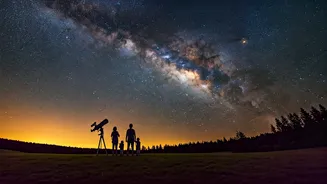
Stargazing doesn't have to be a solitary pursuit. Across the country, amateur astronomy clubs host 'star parties,' which are social, educational, and incredibly welcoming gatherings for anyone curious about the night sky. These events bring together seasoned astronomers with powerful telescopes and newcomers who might not know Orion from the Big Dipper. The appeal is twofold: access and community. You get to look through equipment worth thousands of dollars, seeing Jupiter’s moons or the rings of Saturn with your own eyes, all while an expert explains what you're seeing. It demystifies the cosmos, turning abstract dots of light into tangible worlds and nebulae. More importantly, it fosters a sense of shared discovery. In a world that often feels divided, the universal act of looking up together creates a powerful, and increasingly sought-after, sense of connection.
Try Your Hand at Astrophotography
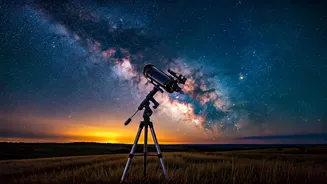
For the creatively inclined, the night sky is the ultimate canvas. The rise of astrophotography as a popular hobby is fueled by technological advancements that put celestial imaging within reach of amateurs. While professional setups can be complex, modern mirrorless cameras and even high-end smartphones are now capable of capturing stunning images of the Milky Way, star trails, and meteor showers. This adventure combines technical skill with artistic vision and a dose of patience. It’s a meditative process that forces you to slow down and pay close attention to your environment. Planning a shot around a new moon, finding a compelling foreground, and experimenting with long exposures becomes a rewarding challenge. More than just a pretty picture, a successful astrophoto is a trophy—proof of a night spent in quiet contemplation under the vastness of space.
Hunt for the Elusive Aurora
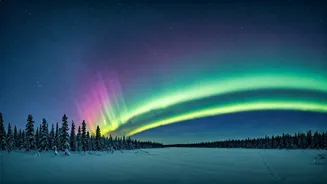
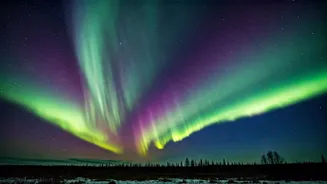
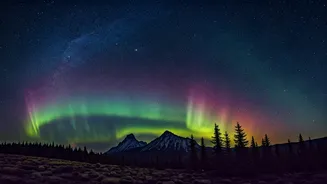
Perhaps the most magical night sky adventure is witnessing the aurora borealis, or Northern Lights. While often associated with Iceland or Norway, this celestial dance is very much an American spectacle in the right locations and at the right time. Alaska is the premier destination, with Fairbanks sitting directly under the 'auroral oval.' But during periods of high solar activity, the lights can dip down into the northern contiguous states, including parts of Minnesota, Wisconsin, Montana, and even Maine. The adventure lies in the hunt. It requires planning, monitoring solar weather forecasts, and a willingness to brave cold, dark nights for a potential reward. The payoff—watching curtains of green, pink, and purple light shimmer and pulse across the sky—is a genuinely life-altering experience that reminds you our sun is a dynamic, powerful star directly connected to our world.
Book a Stargazing-Focused Getaway
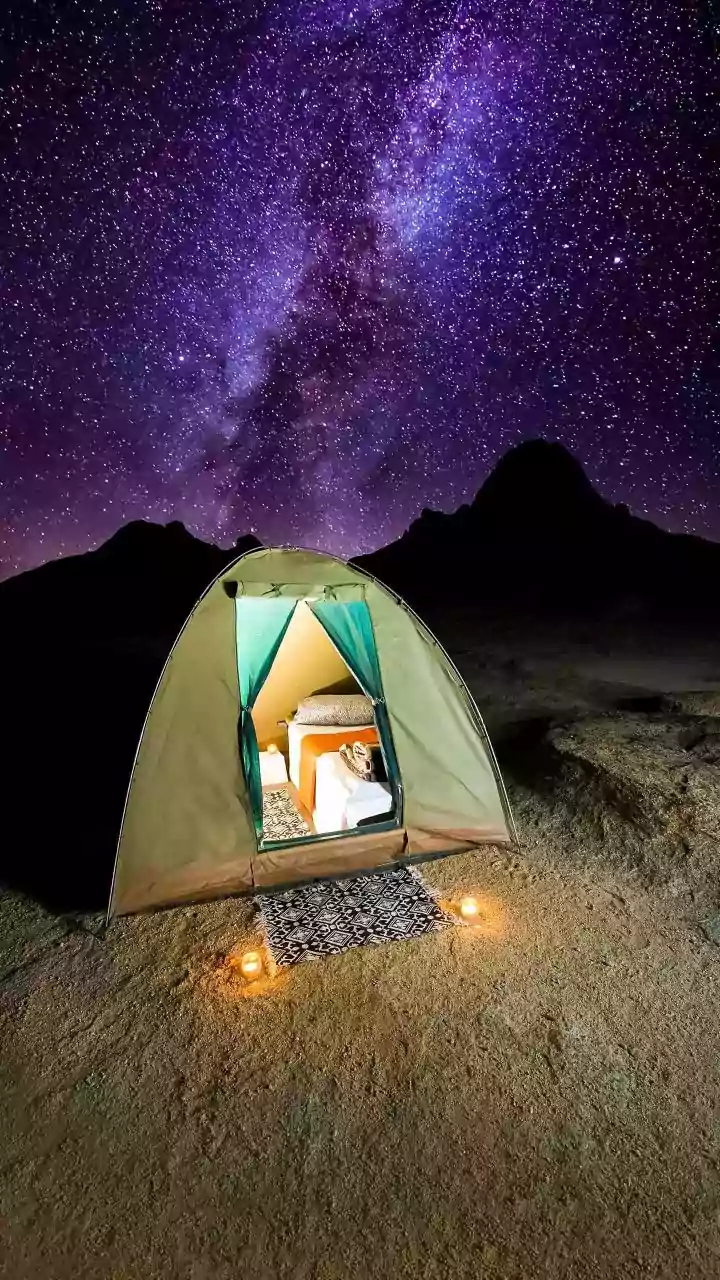
The travel industry is taking note of this celestial curiosity. A growing number of hotels, lodges, and resorts are branding themselves as destinations for stargazers. These aren't just properties located in dark areas; they are offering curated astronomical experiences. Think lodges with on-site observatories and resident astronomers, desert retreats that offer 'celestial picnics' under the stars, or even wellness programs that incorporate stargazing as a form of mindfulness. These getaways remove the guesswork and provide a comfortable, often luxurious, way to engage with the night sky. They cater to a desire for trips that are not just relaxing but enriching—vacations that offer a new perspective, quite literally, on our place in the universe.