
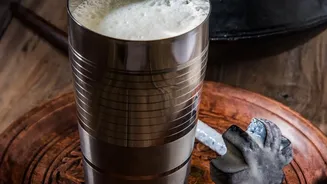

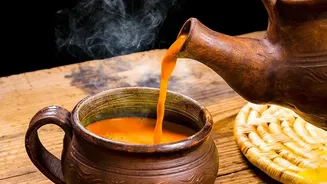
Beyond the usual colas and packaged juices, a quiet and flavourful revolution is taking place in Indian kitchens and cafes. Traditional festive drinks, rich with local spices and herbs, are making a powerful comeback.
A Sip of Heritage
For generations, Indian festivals
have been marked by unique beverages that do more than just quench thirst; they tell a story of season, region, and ritual. From the cooling sips of Thandai during Holi to the tangy sweetness of Panakam for Ram Navami, these drinks were a celebration of nature's bounty. The ingredients were not arbitrary. Spices like cardamom, fennel, black pepper, and saffron, along with herbs like mint and tulsi, were chosen for their distinct flavours and their Ayurvedic properties, designed to cool the body, aid digestion, or provide energy. This ancient wisdom, for a time overshadowed by modern convenience, is now being rediscovered by a new generation seeking authenticity and wellness.
The Cooling Magic of Thandai
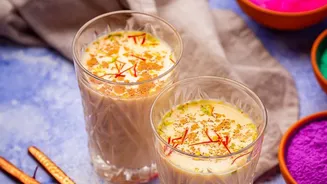
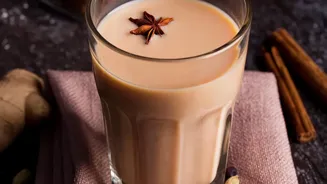
No discussion of festive Indian drinks is complete without mentioning Thandai. Originating from the northern regions of India, this milk-based beverage is synonymous with the vibrant festival of Holi. Its name, derived from the word 'thanda' meaning 'cool', perfectly describes its purpose. The recipe is a complex and aromatic blend of almonds, poppy seeds, watermelon seeds, rose petals, and a bouquet of spices including fennel seeds, cardamom, and black pepper. Each ingredient plays a crucial role. Fennel and cardamom are known to aid digestion, while black pepper and rose petals have anti-inflammatory properties. Together, they create a drink that is not only delicious but also serves as a natural coolant and energy booster.
Regional Gems: Kokum and Nannari
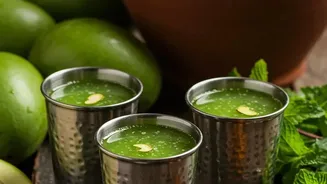
The revival is not limited to one or two famous drinks. Across India, regional specialities are enjoying a renewed moment in the sun. On the Konkan coast, Kokum Sharbat is a household staple. Made from the dried rind of the Garcinia Indica fruit, this tangy, sweet-and-sour drink has a striking purplish-red hue and is lauded for its digestive benefits. Further south, especially in Tamil Nadu and Kerala, Nannari Sarbath is the undisputed king of summer coolers. The star ingredient is the root of the Indian sarsaparilla plant (Hemidesmus indicus), which imparts a unique, earthy flavour with hints of vanilla. Mixed with a squeeze of lemon, this traditional drink is cherished for its ability to cool the body from within, a quality celebrated in Ayurvedic texts.
Why the Return to Roots?
Several factors are driving this beverage renaissance. There is a growing collective movement towards wellness and a rejection of overly processed, sugar-laden drinks. Consumers are becoming more conscious of what they consume, seeking out natural ingredients with functional benefits. This trend aligns perfectly with traditional Indian drinks, which were always functional by design. Furthermore, this revival is part of a broader cultural reclamation, a desire to reconnect with and celebrate indigenous food knowledge. Brands have successfully tapped into this nostalgia, offering clean, conveniently packaged versions of these traditional recipes, making them accessible to a wider, modern audience.
Modern Mixology Meets Tradition
The revival isn't just about faithful reproductions of old recipes. It's also about innovation. Chefs and mixologists across the country are experimenting with these traditional flavours, creating exciting new concoctions. You might find a Thandai-infused cocktail with a splash of rum, a Kokum cooler with vodka and sparkling water, or a Jaljeera mojito on a trendy bar menu. These modern interpretations introduce the complex flavour profiles of Indian spices and herbs to a new generation, ensuring that these traditional drinks not only survive but thrive. They are being reimagined as lattes, smoothies, and even dessert ingredients, proving the versatility and timeless appeal of these ancient flavours.