

The Enduring Heart of Tradition
For generations, Ganpati decorations in Mumbai have followed a familiar, beloved script. The centerpiece is often the 'makhar,' a throne for the idol, traditionally made from thermocol or wood and ornately decorated. Homes fill with the fragrance of fresh
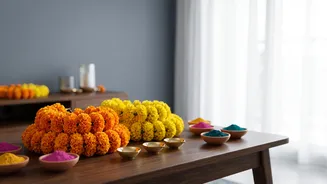
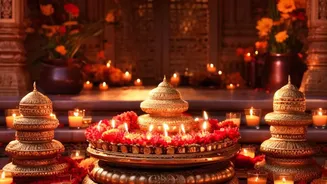
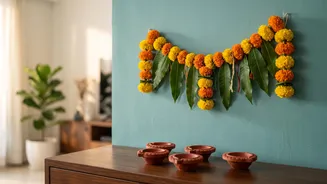
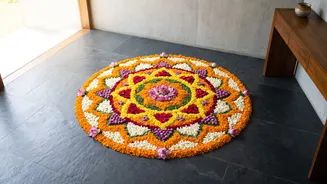
flowers, especially marigolds and hibiscus, which are considered auspicious and are Lord Ganesha's favorites. These are strung into dense garlands that frame the deity and adorn doorways. Brass diyas (oil lamps) and bells, passed down through families, are polished to a gleam, their warm glow casting a divine light during evening 'aarti'. Draping colorful dupattas or even treasured silk sarees, like a Banarasi, provides a rich, textured backdrop for the idol. These elements are not just decorations; they are carriers of memory, faith, and continuity, forming the unshakable foundation of the festival's aesthetic.
A Wave of Modern Aesthetics
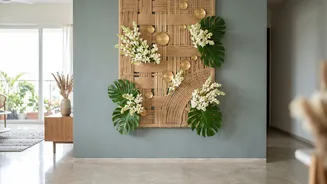
Alongside these cherished traditions, a new design language is emerging. Many urban households are now embracing minimalist and theme-based decor. Instead of a riot of color, some families opt for a restrained, coordinated palette, such as a calming white and green or a sophisticated white and gold. The focus shifts from ornate complexity to clean lines and uncluttered spaces, allowing the idol itself to be the primary focal point. Modern lighting techniques, like subtle LED focus lights or ethereal floating candle bowls, are used to create atmosphere and highlight specific elements of the setup. This modern approach is less about religious prescription and more about personal style, reflecting a contemporary desire for elegance and simplicity in sacred spaces.
Sustainability as a New Tradition
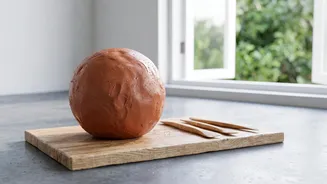
Perhaps the most significant trend reshaping Ganpati celebrations is the powerful push towards sustainability. There is a growing consciousness about the environmental impact of the festival, leading many to seek eco-friendly alternatives. Plaster of Paris (PoP) idols are being replaced by those made of natural clay ('shadu maati'), which dissolve safely in water. Similarly, single-use thermocol and plastic decorations are giving way to biodegradable and reusable materials. Households are getting creative, using items like jute, cardboard, bamboo, and recycled paper to build beautiful backdrops. Even old sarees, newspapers, and coconut shells are being repurposed in innovative ways, turning the act of decorating into a statement of environmental responsibility.
The Rise of DIY and Personalisation
The fusion of old and new is most evident in the rise of Do-It-Yourself (DIY) decor. More than ever, families are choosing to create their decorations by hand, making the process a shared, bonding activity. Children are involved in crafting paper flowers, painting diyas, or assembling backdrops from craft supplies. This hands-on approach brings a unique, personal touch that store-bought items often lack. Online tutorials and workshops have made it easier for people to learn techniques like creating intricate floral arrangements or crafting garlands from wool pom-poms. This trend signifies a move away from pure commercialization and towards a more intimate and involved celebration of faith, where every element of the decor tells a personal story.
Finding the Perfect Balance
The true magic, however, lies in the blend. Mumbai's homes are not simply choosing between tradition and modernity; they are weaving them together. A traditional clay idol might be placed within a minimalist backdrop of white fabric and green potted plants. A classic brass urli (a decorative bowl) might be filled with water and floating candles instead of just flowers. An heirloom saree might be draped behind the Ganpati, flanked by sleek, modern LED string lights. This harmonious fusion shows that the spirit of the festival is adaptable. It is about honouring the roots of the celebration while allowing it to evolve, reflecting the dynamic, creative, and conscious spirit of the city itself.