

A New Constellation of Competitors
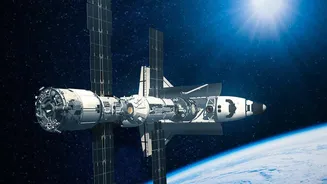
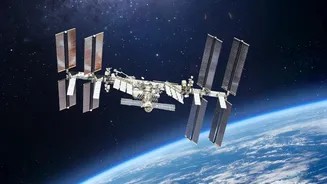
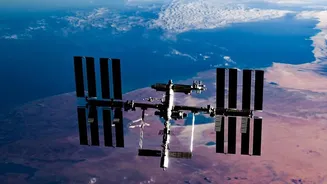
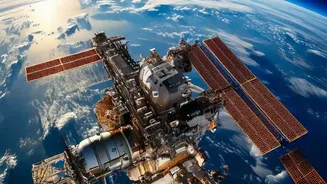
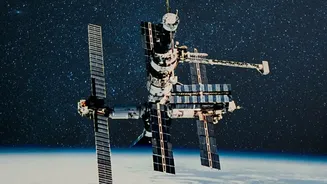
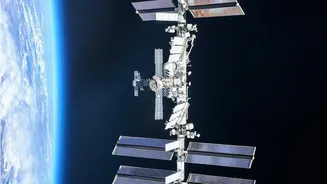
The race to build the successor to the ISS is well underway, funded in part by NASA's Commercial Low Earth Orbit Destinations (CLD) program. This initiative sees NASA transitioning from being a space station owner to an anchor tenant, buying services
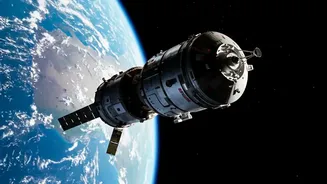
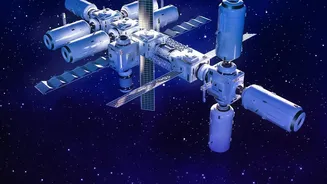
from commercial operators. Several key players have emerged. Axiom Space is building its station in a unique way: by first attaching its modules to the ISS starting as early as 2027 before separating to fly independently. Other major contenders include the Starlab project, a joint venture between Voyager Space and Airbus, and Orbital Reef, a 'mixed-use business park' in space led by Blue Origin and Sierra Space. A nimbler startup, Vast, is also in the running, aiming to launch its smaller Haven-1 station in early 2027.
The Blueprint for Lowering Costs
So, how exactly will these new stations be cheaper? The strategy is multi-pronged. Firstly, they are benefiting from decades of lessons learned from the ISS, avoiding the massive initial research and development costs that governments bore. Secondly, the rise of reusable rockets has dramatically lowered the cost of getting to orbit, a major expense for any space-based enterprise. Thirdly, these stations are being designed with modern, efficient technologies and, in some cases, a modular approach. This allows them to be smaller and more specialized than the sprawling, multipurpose ISS. Starlab, for instance, is designed to launch on a single powerful rocket, fully outfitted on the ground to save on complex in-orbit assembly. This commercial competition, a stark contrast to the government-led consortium that built the ISS, is expected to drive down prices for all users.
From Government Program to Service-Based Economy
The fundamental economic model is shifting. The ISS is a government-owned and operated facility, with access largely determined by national space agencies. Its multi-billion dollar annual operating cost is funded by taxpayers. The new commercial stations will operate on a 'space-as-a-service' model. This is akin to a business park where companies, universities, and even other countries can lease space, time, and resources for their specific needs. This opens the door to a much wider array of customers who could never afford to participate in the ISS program. NASA itself will become a customer, purchasing research time and crew habitats, providing a stable revenue stream that helps these private ventures get off the ground.
Unlocking a New Frontier of Research
Lowering the barrier to entry is expected to ignite a new wave of innovation. The unique microgravity environment offers incredible opportunities for breakthroughs that are difficult or impossible to achieve on Earth. Key research areas poised for growth include pharmaceutical development, where the absence of gravity can help in creating more perfect protein crystals for drug design. Another is materials science, enabling the manufacturing of flawless fiber optics or unique metal alloys. Beyond pure science, these stations will also host private astronauts, media production, and in-space manufacturing, creating a diverse orbital economy where different revenue streams can subsidize the cost of fundamental research. By providing this orbital infrastructure, companies like Blue Origin and Voyager Space are betting they can foster a vibrant ecosystem that generates new discoveries and products.