





Your Monsoon Wardrobe
When it comes to monsoon clothing, the golden rule is to ditch cotton. It absorbs water and takes ages to dry in high humidity. Instead, opt for lightweight, synthetic fabrics like polyester or nylon that dry quickly. A reliable, lightweight waterproof
jacket or poncho with a hood is non-negotiable. For footwear, prioritize grip and water resistance. Pack a pair of anti-slip sandals or floaters for walking through wet streets and a separate pair of closed shoes with good tread for other times. Carrying extra pairs of quick-drying socks is also a wise move; stepping into a puddle is less of a disaster if you have a dry pair waiting.
Essential Gear and Gadgets
Protecting your belongings is as important as keeping yourself dry. A waterproof backpack cover is a must-have to shield your main bag from sudden downpours. For your electronics, wallet, and important documents like your ID and tickets, use waterproof pouches or even simple zip-lock bags as an extra layer of defence. Humidity can be just as damaging as direct rain, so throwing a few silica gel packets into your luggage can help absorb excess moisture. A power bank is crucial, as power cuts can be more frequent during the rainy season. Lastly, a torch or flashlight is invaluable for navigating poorly lit areas or during an outage.
Health and First-Aid Kit
The monsoon season can bring an increase in water-borne illnesses and mosquitos. Your travel first-aid kit should be tailored accordingly. Pack basic medicines for fever, pain relief, colds, and digestive issues like acidity or diarrhoea. Include essentials like antiseptic cream, bandages, and gauze. A strong insect repellent is a must to protect against mosquito bites. Due to the higher risk of contaminated water, it's also a good idea to carry water purification tablets or a portable water filter, especially if you're travelling to remote areas. Hand sanitizer and wet wipes will also come in handy for maintaining hygiene on the go.
For Those on a Road Trip
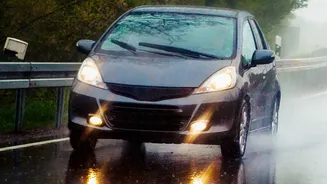
If your weekend trip involves driving, a pre-trip vehicle check is vital for safety. Visibility is often the first casualty of heavy rain, so ensure your wiper blades are in good condition and not leaving streaks. Test all your lights—headlights, tail-lights, brake lights, and indicators—to make sure you can see and be seen. Your tyres are your only contact with the slippery road, so check their tread depth and ensure they are properly inflated. Brakes are another critical component; wet roads increase stopping distances, so if they feel spongy or make unusual noises, get them inspected before you leave. Finally, make sure your car's air conditioning is working correctly, as it's the quickest way to defog your windscreen and maintain visibility.
Digital and Document Preparedness
While we rely on our phones for everything, network connectivity can be patchy in remote areas, especially during bad weather. Before you leave, download offline maps of your route and destination. Save important emergency contact numbers directly onto your phone, rather than relying on cloud access. Keep digital and physical copies of your travel documents, like hotel bookings and identification. Store the physical copies in a waterproof pouch. This bit of digital and physical redundancy ensures that even if your phone battery dies or you're out of a network area, you have the essential information you need to travel smoothly and safely.