





A stuffy nose is a universal misery, prompting many to reach for time-honoured home remedies. But while some of these popular solutions offer genuine relief, others may be ineffective or even risky. Here’s a cautious look at what actually works.
The Gold Standard: Saline Rinses
Nasal
irrigation, using devices like a neti pot or a simple squeeze bottle, is a well-regarded method for relieving congestion. This practice involves gently flushing the nasal passages with a saline (saltwater) solution, which helps to thin mucus, clear out allergens and debris, and soothe inflamed tissues. Numerous studies support its effectiveness in easing symptoms of sinusitis, colds, and allergies. However, safety is paramount. The US FDA warns that you must only use distilled, sterile, or previously boiled and cooled water. Using untreated tap water carries a rare but serious risk of introducing dangerous organisms into the nasal passages. Always ensure your device is cleaned and dried thoroughly after each use to prevent bacterial growth.
The Comfort of Steam
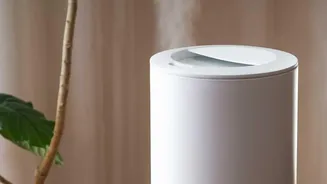
Inhaling steam is a remedy passed down through generations. Breathing in warm, moist air can provide immediate, though often temporary, relief from the discomfort of a blocked nose. The humidity helps to thin mucus, making it easier to drain, and soothes the dry, irritated feeling in your airways. While many people find comfort in it, scientific evidence shows its benefits are primarily subjective; it makes it 'feel' better rather than objectively curing the congestion. The biggest caution here is the risk of burns. Leaning over a bowl of boiling water can lead to serious scalds if it spills. A safer alternative is to sit in a steamy bathroom while a hot shower is running, which provides similar moisture without the direct risk.
Essential Oils: A Breath of Fresh Air?
Essential oils, particularly eucalyptus, are popular additions to steam inhalation for congestion. Eucalyptus oil contains a compound called 1,8-cineole, which has demonstrated anti-inflammatory and mucus-thinning properties in scientific studies. Inhaling its vapour can create a cooling sensation that makes breathing feel easier. Tea tree oil is also known for its antimicrobial and anti-inflammatory effects. While research is promising, it's important to use these oils correctly. They should never be ingested or applied directly inside the nose. Instead, add a few drops to a diffuser or a bowl of hot water for steam inhalation, keeping your face a safe distance away. Relying on oils without sufficient evidence, such as ylang-ylang, is not recommended.
From the Kitchen: Spices and Hydration
Many turn to kitchen staples when a cold strikes. Staying well-hydrated with water, juices, or warm broths is crucial as it helps thin mucous secretions, promoting drainage. Some people find relief from eating spicy foods containing capsaicin (from chilli peppers), which can help clear sinuses temporarily. Traditional remedies like ginger and turmeric are also widely used. Ginger possesses anti-inflammatory and antimicrobial properties, while turmeric's active compound, curcumin, is also a known anti-inflammatory. While they can help soothe a sore throat and support the immune system, they are not an instant cure for a cold or congestion. Think of them as supportive comforts rather than primary treatments.
A Word on Decongestant Sprays
While not a 'home remedy', over-the-counter decongestant nasal sprays are a common go-to. They work by constricting blood vessels in the nasal passages, which provides fast relief. However, they come with a significant warning. Using them for more than three or four consecutive days can lead to a condition called rebound rhinitis, where the congestion returns even worse than before once the medication wears off. This can create a cycle of dependency. For this reason, these sprays should be used strictly for short-term relief as directed on the label.