


Beyond Butter Chicken and Biryani
For the longest time, the definition of mainstream Indian food felt narrow, largely shaped by a handful of popular dishes from major cities. If you lived outside of Delhi, Mumbai, or Bengaluru, your local culinary treasures were often just that—local.
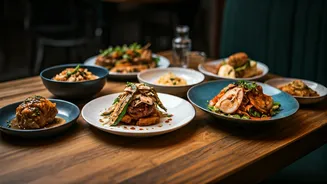
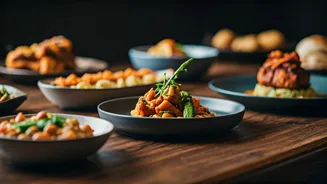
But this landscape is changing dramatically. Today, cities like Indore, Jaipur, Lucknow, and Coimbatore are emerging as the new hotspots of India's food industry. [3] This isn't just about restaurant expansion; it's a cultural shift. The unique street food of Varanasi, like Tamatar ki Chaat, or the homely Aloo Ke Gutke from Uttarakhand are becoming subjects of national conversation, thanks in large part to social media. [8] Previously eclipsed by butter chicken, regional specialities such as Maharashtrian 'pithla-bhakri' and Bengali 'shorshe ilish' are gaining widespread recognition. [2] This movement signifies a deeper appreciation for the vast, diverse tapestry of Indian cuisine that lies beyond the urban centres.
The Digital Megaphone Effect
The single biggest catalyst for this change has been the democratisation of food discovery through social media. [6] Platforms like Instagram and YouTube have turned into powerful ambassadors for regional food, transforming local cooks and street vendors into viral stars. [2, 7] A food blogger in Lucknow or a home cook in Kochi can now showcase hyper-local flavours to a massive audience, sparking curiosity and demand. [3, 7] This digital exposure has created a new kind of food literacy, where consumers are no longer just passive recipients of trends but active explorers. They are seeking authenticity and stories. [5] As a result, dishes that were once considered too niche or 'everyday' for mainstream appeal are now being celebrated, complete with their history and cultural significance. [5]
From Screen to Plate
This online buzz is translating into real-world business growth. The food services market in India is expected to cross $95 billion, with Tier-2 cities becoming a major growth engine. [3] Rising disposable incomes, increasing urbanisation, and a growing middle class in these cities mean more people are willing to spend on dining experiences that go beyond the usual. [3, 21] This has created a fertile ground for both local entrepreneurs and national chains. We're seeing a boom in themed cafes in Jaipur, premium bakeries in Surat, and a surge in demand for food delivery in Lucknow. [3] Consumers in these cities are now following the same global and national food trends as their metro counterparts, from artisanal coffee to gourmet burgers and international cuisines. [3] This shift is not just about bringing metro trends to smaller cities; it’s about these cities developing their own vibrant, modern food identities.
A Celebration of Identity
Ultimately, the rise of Tier-2 food culture is more than a trend; it's a revival of regional pride. [5] For years, there was an unspoken pressure to conform to a simplified, pan-Indian menu, both within India and abroad. Chefs are now confidently presenting unapologetically regional and traditional recipes. [25] This movement is about reclaiming culinary heritage and celebrating the diversity that defines India. [19] It’s about the realisation that luxury isn't a complicated, foreign dish but the comforting, authentic flavour of a meal that feels like home. [13] Diners are no longer just seeking taste; they are seeking connection, stories, and a sense of place. [5] This quest for authenticity ensures that the food of India's heartland is not just having a moment, but is fundamentally reshaping the future of the country's gastronomic identity. [6]