






From State Control to a Startup Sky
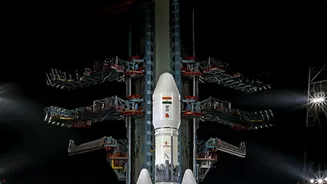
For decades, India's journey into space was charted by the Indian Space Research Organisation (ISRO). But a monumental shift began with the space sector reforms in 2020 and the landmark Indian Space Policy of 2023. These policy changes effectively rolled
out the welcome mat for private enterprise, transforming a government-led programme into a dynamic, open market. The establishment of the Indian National Space Promotion and Authorisation Centre (IN-SPACe) as a single-window agency was a critical catalyst. IN-SPACe's role is to authorise and promote private space activities, facilitate access to ISRO's facilities, and streamline regulations. The result has been a dramatic expansion of the private ecosystem, with the number of Indian space startups soaring from just one in 2014 to over 400 by 2026.
The Trailblazers of India's NewSpace
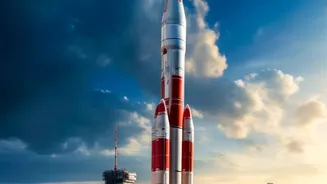
This new environment has given rise to a generation of ambitious startups. Hyderabad-based Skyroot Aerospace made history in July 2026 with the successful orbital launch of its Vikram-1 rocket, making India only the third country, after the US and China, to have a private company achieve this feat. Another key player, Chennai-based Agnikul Cosmos, is pushing the boundaries of innovation with its 3D-printed, semi-cryogenic engines and plans for reusable launch vehicles. These companies are focused on slashing the cost of placing small satellites into orbit, a market with surging global demand. The influx of private capital has been significant, with Indian space startups raising hundreds of millions in recent years, signalling strong investor confidence in the sector's future.
More Than Rockets: New Markets on Earth
The true economic magic of the private space race lies in its downstream applications. The data and services provided by satellites are creating powerful new tools for a wide range of industries. Bengaluru-based Pixxel, for instance, is building a constellation of advanced hyperspectral imaging satellites. These satellites can see things invisible to the naked eye, offering actionable intelligence for agriculture by monitoring crop health and soil conditions. This technology also has profound implications for environmental monitoring, helping to track deforestation, methane leaks, and the impact of climate change. Other sectors benefiting include urban planning, disaster management, and insurance, which can use satellite data for everything from infrastructure development to rapid damage assessment after natural calamities.
An Economic Engine for the Future
The privatisation of space is not just a scientific achievement; it's a strategic economic imperative. India's space economy, valued at approximately USD 8.4 billion, is projected to surge to around USD 44 billion by 2033. This growth is fueled by a clear government strategy that includes liberalised Foreign Direct Investment (FDI) rules and dedicated venture capital funds to nurture startups. The impact is already being felt in job creation, with tens of thousands of high-skilled jobs emerging. Furthermore, experienced talent from ISRO is migrating to the private sector, bringing invaluable expertise and accelerating innovation within these new companies. This synergy between public-sector experience and private-sector agility is positioning India to become a global hub for space technology and services.