


The Science of the Scroll
Platforms like TikTok and Instagram Reels are designed to be compelling. Each short video delivers a quick hit of novelty, humour, or information, triggering a small release of dopamine in your brain. This creates a reward loop. The more you scroll, the
more your brain craves the next micro-dose of stimulation. This process, sometimes called 'attentional switching', trains the brain to expect constant, rapid-fire content. Research suggests that heavy use of these platforms is linked to weaker attention and a reduced ability to focus on a single task for a prolonged period. It's not that your brain is broken; it’s simply adapting to a new normal where information comes in fast, fragmented bursts.
Cinema's Demand for Patience
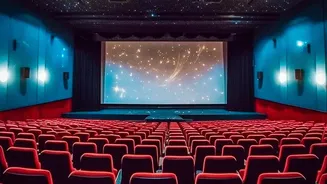
In stark contrast to the quick-hit nature of social media, cinema demands patience. A feature film is a marathon, not a sprint. It requires viewers to surrender their attention for an extended period, allowing themes to develop, characters to evolve, and narratives to unfold at a deliberate pace. The cinematic experience is built on sustained focus—the ability to immerse yourself in a different world without the distraction of a second screen. Directors like Martin Scorsese have championed this immersive commitment, arguing that a film's power lies in its ability to enrich your life when you fully engage with it. This long-form storytelling engages working memory and allows for a deeper emotional investment than fleeting clips ever could.
Is Hollywood Giving In?
The film industry is not immune to these shifting habits. There is a tangible sense that movies are becoming faster to cater to audiences accustomed to instant gratification. The average shot length in films has dramatically decreased over the decades, from around 8-12 seconds in classic cinema to under three seconds in many modern blockbusters. This rapid cutting style can feel like an attempt to keep viewers hooked by constantly providing new visual information. Furthermore, filmmakers are now encouraged to create 'clip-able' moments—scenes designed to be easily shared and go viral on social media. Cinematographers are even being told to frame shots in a way that they can be effectively cropped for vertical smartphone screens, a practice known as 'protecting for 9:16'.
The Backlash: A Hunger for Depth
Just as some trends suggest a move toward faster content, there is a significant counter-movement. The very same audiences that binge-watch TV series for hours on end prove they still have the capacity for long-form engagement. Moreover, the commercial and critical success of lengthy, complex films like 'Oppenheimer' demonstrates that audiences are still willing to commit to a challenging cinematic experience if the story is compelling. A growing appreciation for 'slow cinema'—a style that uses long takes, minimal dialogue, and a deliberate pace—also suggests a fatigue with the frenetic energy of mainstream movies. These films offer a mindful alternative, encouraging viewers to find meaning in stillness and observation rather than constant action.