






An Earthy Renaissance
From Goan kitchens celebrating the rare, wild 'olmi' to urban cafes rolling out mushroom ghee roasts, fungi are having a moment. The monsoon has always been a season for specific produce, and this year, mushrooms are moving from a simple side dish to the main
event. The high humidity and cooler temperatures create the perfect growing conditions, not just for wild varieties but also for cultivated ones like oyster and milky mushrooms, making them more abundant and accessible. This availability coincides with a slowdown in the fishing season along coastal areas, pushing chefs and home cooks to explore seasonal, land-based alternatives. As a result, mushroom-centric dishes are appearing more frequently on menus, showcasing their versatility as a rich, flavourful substitute for meat.
The Health Halo Effect
The growing popularity of mushrooms isn't just about taste and availability; it's also deeply connected to a rising interest in their health benefits. Packed with protein, fibre, B vitamins, and antioxidants like selenium, mushrooms are seen as a superfood for the rainy season. Health experts note their potential to boost the immune system, which is particularly welcome during a season known for colds and flu. Their low-calorie, low-fat profile also appeals to health-conscious consumers, with some studies suggesting they can aid in weight management by promoting a feeling of fullness. This potent combination of being both nutritious and delicious is a significant driver of their current trendiness.
From Forest Floors to Gourmet Plates
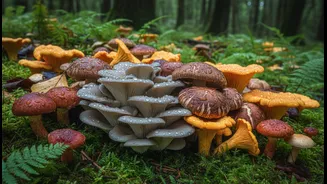
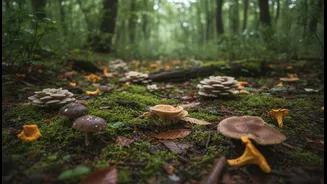
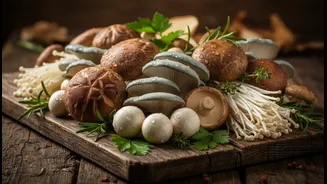
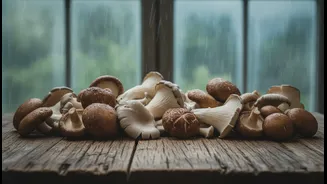
The diversity of mushrooms available during the monsoon is truly remarkable. In Goa, the season is synonymous with 'olmi' (Termitomyces), a wild variety that grows on termite mounds and is so prized it cannot be commercially cultivated. In Jharkhand, 'rugda' mushrooms, also known as 'vegetarian mutton', are foraged from the base of Sal trees and have a unique, meaty texture. Beyond these hyper-local delicacies, cultivated varieties like oyster, shiitake, and button mushrooms are also being used in innovative ways. Chefs are moving beyond traditional curries and stir-fries, incorporating mushrooms into everything from biryanis and kebabs to continental dishes like pepper garlic sauce over rice. The result is a culinary landscape where mushrooms are celebrated for both their rustic, foraged charm and their gourmet potential.
The Chef's Creative Canvas
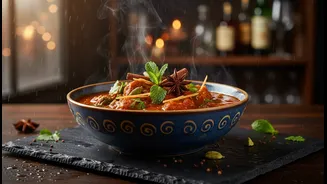
Indian chefs are embracing mushrooms with newfound enthusiasm, using their earthy flavour and satisfying texture to create memorable dishes. The classic Goan mushroom xacuti, a rich coconut-based curry traditionally made with the seasonal olmi, is a monsoon highlight. In the North, Kadai Mushroom, which features large chunks of mushrooms and bell peppers in a spicy tomato-onion gravy, is a popular choice. South Indian cuisine offers creations like Mushroom Pepper Fry, where mushrooms are cooked on high heat with freshly ground pepper and spices to keep them juicy and flavourful. Even snacks are getting a fungal twist, with recipes for Mushroom Paniyaram (a savoury dumpling) gaining popularity. This culinary creativity shows that mushrooms are no longer just an afterthought but a versatile ingredient capable of carrying a dish.
A Necessary Word of Caution
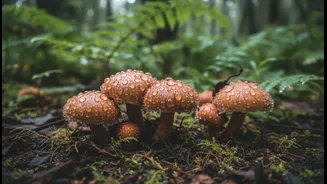
While the allure of wild, foraged mushrooms is strong, it comes with significant risks. Health officials repeatedly issue warnings during the monsoon season about the dangers of consuming wild mushrooms. Many poisonous varieties look strikingly similar to edible ones, and telling them apart requires expert knowledge. Furthermore, wild mushrooms can absorb pesticides and other chemicals from the soil, leading to food poisoning, as seen in a recent incident in Karnataka where a family fell ill. The safest approach is to always purchase mushrooms, whether common or exotic, from trusted and reliable vendors. Never consume a wild mushroom unless you are absolutely certain of its identity and safety.