





Why Monsoon Means Paw Problems
The high humidity and frequent rain of the Indian monsoon create the perfect breeding ground for fungi. Fungi, like yeast, naturally exist on your dog's skin, but when paws remain damp for extended periods, these organisms can multiply uncontrollably.
The warm, moist spaces between your dog's toes and paw pads become an ideal environment for infections to take hold, leading to irritation, discomfort, and pain. Urban environments add another layer of risk, with dogs walking through dirty puddles and on wet pavements that can harbour bacteria and other contaminants.
The All-Important Post-Walk Routine
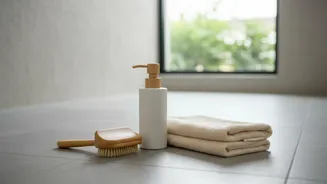
The single most effective way to prevent fungal infections is to ensure your dog's paws are thoroughly cleaned and dried after every single walk. This is non-negotiable during the monsoon. Start by rinsing their paws with lukewarm water to wash away mud and debris. Using a mild, pet-safe antiseptic cleanser can provide extra protection. The most crucial step is drying. Use a clean, absorbent microfiber towel and be meticulous, paying special attention to the areas between the toes where moisture loves to hide. For long-haired breeds, a hairdryer on a cool, low setting can help ensure the undercoat is completely dry. Never let paws air-dry in humid weather.
Smart Pre-Walk Preparations
A little prep work can make your post-walk cleanup much easier. Keep the fur between your dog's paw pads trimmed short. Excess hair traps mud and moisture, making it difficult to dry the area properly and increasing infection risk. For dogs who will tolerate them, waterproof booties can be a great solution, keeping paws completely dry and protected from street grime. Applying a thin layer of a dog-safe paw balm or wax before heading out can also create a protective barrier against moisture and irritants.
How to Spot an Infection Early
Early detection is key to preventing a minor issue from becoming a painful problem. Get into the habit of inspecting your dog's paws daily. Telltale signs of a fungal infection include persistent licking or chewing of the paws, redness and inflammation, and a musty or yeasty odour often described as smelling like corn chips. You might also notice brownish discolouration on the fur from saliva, scaly or crusty skin, and swelling. If the infection is causing pain, your dog may limp or seem reluctant to walk.
Home Care vs. a Vet Visit
For very mild irritation, some home remedies can offer relief. A paw soak using one part apple cider vinegar to one part water can help inhibit yeast growth due to its acidity. Soak each paw for about five minutes, then dry it completely. However, never use vinegar on open or raw skin as it will sting. It's crucial to understand when professional help is needed. If you see signs of a full-blown infection like persistent symptoms, severe discomfort, swelling, discharge, or a foul odour, it's time to see your veterinarian. Self-treating a moderate or severe infection can make it worse. A vet can accurately diagnose the issue and will prescribe appropriate antifungal medications, which may include topical creams, medicated shampoos, or oral pills.