



What is the Core Proposal?
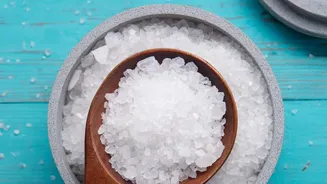
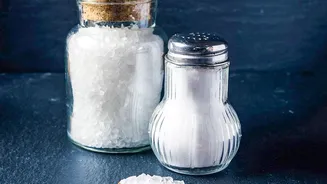
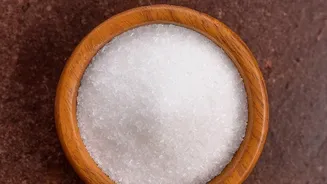
Leading health experts in India are advocating for a nationwide dietary shift by promoting the use of potassium-enriched, low-sodium salt. The core idea is to replace a portion of the sodium chloride in regular table salt—typically 25-30%—with potassium chloride.
This reformulated salt, often called a low-sodium salt substitute (LSSS), looks, cooks, and largely tastes like conventional salt, making it a subtle but potentially powerful public health intervention. The push is being supported by a consensus of doctors and public health bodies, who recommend integrating these salts into national health strategies and updating Food Safety and Standards Authority of India (FSSAI) guidelines to formally approve them as 'edible salt'.
Why Target Salt? India's Sodium Crisis
The proposal directly targets one of India's most pressing health challenges: excessive sodium consumption. The average Indian consumes between 9 to 12 grams of salt per day, which is more than double the World Health Organization's recommended limit of less than 5 grams. This high sodium intake is a primary driver of high blood pressure (hypertension), which in turn is a major risk factor for cardiovascular diseases like heart attacks and strokes. These diseases are the leading cause of death in India, accounting for a significant portion of the nation's disease burden. A 2023 study from the Indian Council of Medical Research (ICMR) estimated that over a third of the adult population, around 315 million people, live with hypertension. With nearly 80% of sodium intake in India coming from salt added during home cooking, a change at the household level could have a massive impact.
The Double Benefit of Potassium Chloride
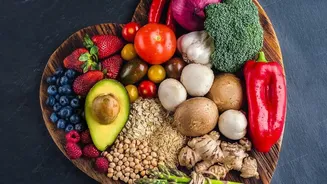
Switching to a potassium-enriched salt offers a two-pronged attack on hypertension. First, it mechanically reduces the amount of harmful sodium being consumed. Second, it increases the intake of potassium, a crucial mineral that many Indians do not get enough of. Potassium plays a vital role in the body by helping to relax blood vessel walls and excrete sodium, both of which contribute to lowering blood pressure. The WHO recommends a daily potassium intake of at least 3,510 mg, but studies show the average Indian's intake is significantly lower. By simply switching the type of salt used, millions could move closer to a healthier sodium-to-potassium-ratio, a key factor in cardiovascular health.
How Big Could the Health Impact Be?
The potential health gains are staggering. According to a global modelling study by The George Institute for Global Health, a nationwide switch to potassium-enriched salt in India could prevent nearly 400,000 deaths from cardiovascular and kidney disease every year. The same study estimates that it could also prevent more than 1.5 million new cases of these diseases annually. Even a partial switch, such as replacing only the salt used in households, is projected to prevent a substantial number of deaths and illnesses globally. Experts have referred to this simple intervention as a potential 'dietary vaccine' for its ability to prevent disease on a massive scale at a relatively low cost compared to drug treatments.
Are There Any Risks or Downsides?
While the proposal is considered safe for the general population, there is an important consideration for a specific subgroup: individuals with advanced chronic kidney disease. Healthy kidneys are responsible for excreting excess potassium from the body. In people with impaired kidney function, consuming too much potassium can lead to a dangerous condition called hyperkalemia (high potassium levels in the blood), which can affect heart rhythm. Therefore, experts caution that this switch is not recommended for individuals with compromised kidney function, who should always follow medical advice regarding their diet. However, large-scale studies have concluded that, at a population level, the widespread cardiovascular benefits of using potassium-enriched salt far outweigh these risks.