







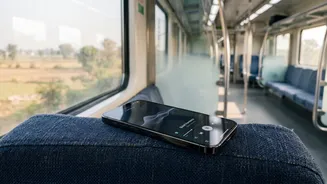
Viral posts warn of immediate jail time for playing loud music on Indian trains. While Indian Railways is cracking down on noise for passenger comfort, the reality of the rules is far more nuanced. So, what actually happens if you break them?
The Myth: Instant Jail for Loud Music
Social media
is rife with claims that playing music or videos on your phone's speaker will land you in jail automatically. This is a significant exaggeration. While Indian Railways has empowered its staff to take action against noise pollution, the process is not one of immediate imprisonment. The rules are designed to address nuisance and ensure a comfortable journey for all, not to criminalize minor infractions without warning. Recent directives, particularly from zones like Southern Railway, have renewed focus on this issue, leading to the spread of misinformation alongside factual warnings. The core of the regulation lies in Section 145 of the Railways Act, which addresses acts that cause a nuisance to fellow passengers.
The Reality: A Multi-Step Process
The actual enforcement procedure is gradual. Typically, it begins with a complaint from a fellow passenger. The Travelling Ticket Examiner (TTE) or Railway Protection Force (RPF) personnel will first approach the individual causing the disturbance and issue a warning. The primary goal is to get the person to stop the disruptive behaviour—whether it's loud music, a noisy phone call, or watching videos without earphones. Only if the person refuses to comply or continues the nuisance does the situation escalate to a penalty. The idea of being hauled off to jail on the spot for a first-time offence is simply not how the system is designed to work.
Understanding the Penalties
If a passenger ignores a warning, they can be penalised under Section 145 of the Railways Act. For a first offence, this typically involves a fine that can be up to ₹1,000. The offender may also be removed from the train and have their ticket forfeited. The prospect of imprisonment—up to six months in jail and a fine of up to ₹5,000—is reserved for situations where a person continues to cause a nuisance despite being directed to stop by an authorised railway servant. This is a last resort for persistent and defiant violators, not a standard penalty for someone who forgot their headphones.
It's Not Just About Music
The rule against nuisance is broader than just loud music. It covers any act that interferes with the comfort of other passengers. This includes loud and lengthy phone conversations, using phones with obnoxious ringtones, and not adhering to designated quiet hours. Indian Railways has established official 'sleeping hours' between 10 pm and 6 am. During this time, passengers are expected to be particularly mindful. Lights should be switched off (except for night lights), and all forms of loud conversation or audio are strictly discouraged to allow others to rest. Even during the day, the expectation is that passengers will be considerate of those sharing the enclosed space of a coach.
How to Report a Nuisance
If you are being disturbed by a fellow passenger, you don't have to suffer in silence. The most effective first step is to politely request the person to lower their volume or use earphones. If that fails, you have several official channels to register a complaint. You can alert the TTE, coach attendant, or any RPF personnel on the train. For a more formal approach, you can use the 'Rail Madad' app or website, or call the integrated helpline number 139. Providing details like your PNR number and coach location helps the authorities respond effectively. Filing a complaint not only addresses your immediate issue but also helps the railways identify and manage recurring problems.