



The Foundation: Monsoon-Proof Your Pots
Success with a monsoon balcony garden starts before you even plant the herbs. The single biggest threat during this season is waterlogged soil, which leads to root rot. Your primary defence is excellent drainage. First, ensure every pot has multiple drainage holes
at the bottom. Heavy garden soil compacts when wet, so opt for a lighter potting mix. A combination of regular potting soil, compost, and a material like coco peat or perlite creates a blend that holds just enough moisture while letting the excess drain away. Finally, elevate your pots. Placing them on bricks, small stands, or “pot feet” allows water to escape freely and prevents them from sitting in puddles after a heavy downpour.
Caring for Queen Basil (Tulsi)
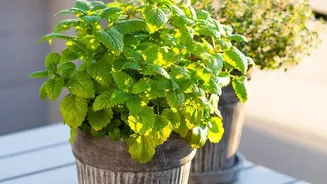
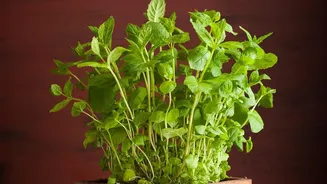
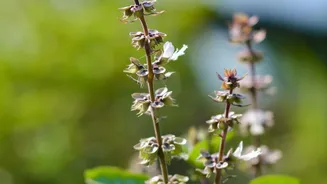
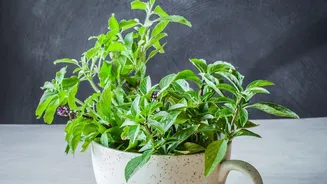
Basil, including the beloved Tulsi, is a cornerstone of many Indian kitchens, but it is notoriously sensitive to overwatering. During the monsoon, this becomes its biggest challenge. The key is to water only when the top inch of the soil feels dry to the touch. The constant high humidity means you’ll water far less frequently than in summer. Basil needs at least four to six hours of sunlight to thrive, so find the brightest spot on your balcony that offers some protection from torrential rain. Good air circulation is also crucial to prevent fungal diseases like downy mildew, which appears as yellowing leaves and purplish-grey spores underneath. Don’t overcrowd your plants. To encourage a bushier plant with more leaves, regularly pinch off any flowering heads (called manjiri in Tulsi) as soon as they appear.
Keeping Mint (Pudina) Magnificent
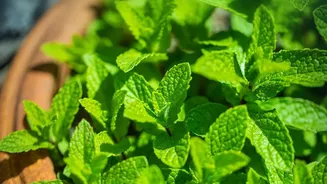
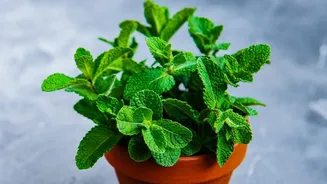
Mint is famously vigorous and one of the easiest herbs to grow. It loves moisture, making it a great candidate for the monsoon. However, its rapid growth can become a problem. It’s best to give mint its own pot, as its runners will quickly take over any shared space. A wide, shallow container is often better than a deep one to accommodate its horizontal growth. While it enjoys damp soil, it shouldn't be waterlogged, so good drainage is still essential. The high humidity can sometimes lead to fungal issues like rust or powdery mildew. Ensure good air circulation around the plant and avoid getting the leaves wet when you water. If you notice any diseased leaves, remove them promptly. Regular harvesting is the best way to keep your mint plant productive and bushy; simply pinch off the top stems as needed for your tea or chutney.
Lemongrass: Your Monsoon Champion
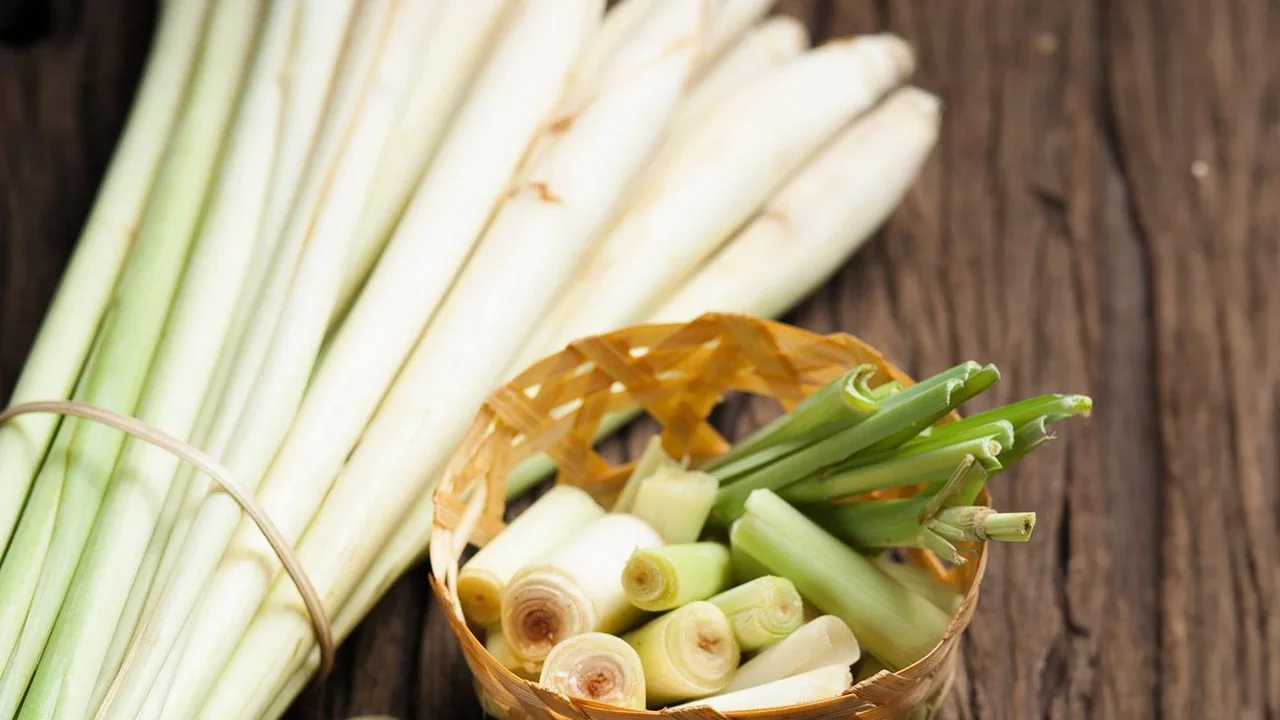
Lemongrass is a tropical plant that thrives in the heat and humidity of the Indian monsoon, making it a resilient and rewarding choice for your balcony. This herb loves water more than basil or mint, but it still despises sitting in stagnant puddles. A large, deep pot with excellent drainage will give its root system ample space to grow. Use a rich, loamy soil and place the pot where it can receive at least six hours of sun. You can easily propagate lemongrass from stalks bought at the market. Simply place the stalks in a glass of water until roots appear, then plant them in soil. Lemongrass is fairly low-maintenance, but be sure to trim any yellow or dry leaves to encourage healthy new growth. As a bonus, its natural citronella oil can help repel mosquitoes from your balcony.
Pest and Disease Patrol
High humidity and damp conditions are an open invitation for pests and fungal diseases. For basil, watch out for aphids and slugs. Mint can also attract pests like spider mites and whiteflies. A simple, preventative spray of neem oil solution every 10-15 days can help keep many of these common pests at bay. To make it, mix a few drops of neem oil with a mild liquid soap and water. Always spray in the evening to avoid burning the leaves. For fungal issues, the best prevention is good air circulation and watering the soil directly, not the leaves. If you spot any affected leaves, prune them immediately to stop the problem from spreading.