


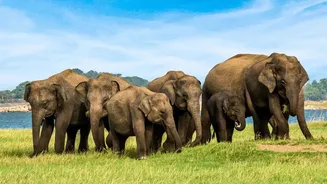
As mist settles over grasslands and a pleasant chill hangs in the air, India's forests come alive. Winter offers a magical window for wildlife enthusiasts, a time when the country's most iconic animals can be seen in their full glory.
Kaziranga National Park, Assam: The Land of Rhinos
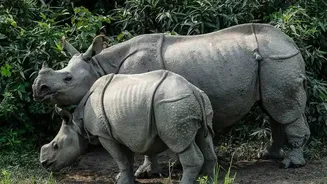
Home to two-thirds
of the world's great one-horned rhinoceroses, Kaziranga is a UNESCO World Heritage Site that offers near-guaranteed sightings of this magnificent animal. The winter months, from November to February, are the best time to visit. During this season, the tall elephant grass that covers the park begins to thin out or is part of controlled burns, drastically improving visibility. As water sources become more concentrated, rhinos, wild water buffalo, elephants, and swamp deer gather in predictable locations. While rhinos are the main attraction, Kaziranga also boasts one of the highest densities of tigers in India and is a paradise for birdwatchers, with many migratory species arriving for the winter. The Western (Bagori) and Central (Kohora) zones are particularly recommended for rhino sightings, with both jeep and elephant-back safaris available to get you closer to the action.
Ranthambore National Park, Rajasthan: Tigers Among Ruins
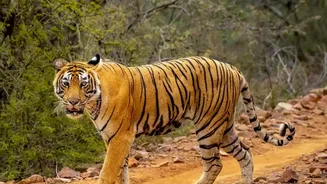
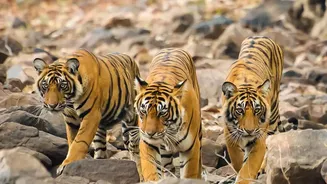
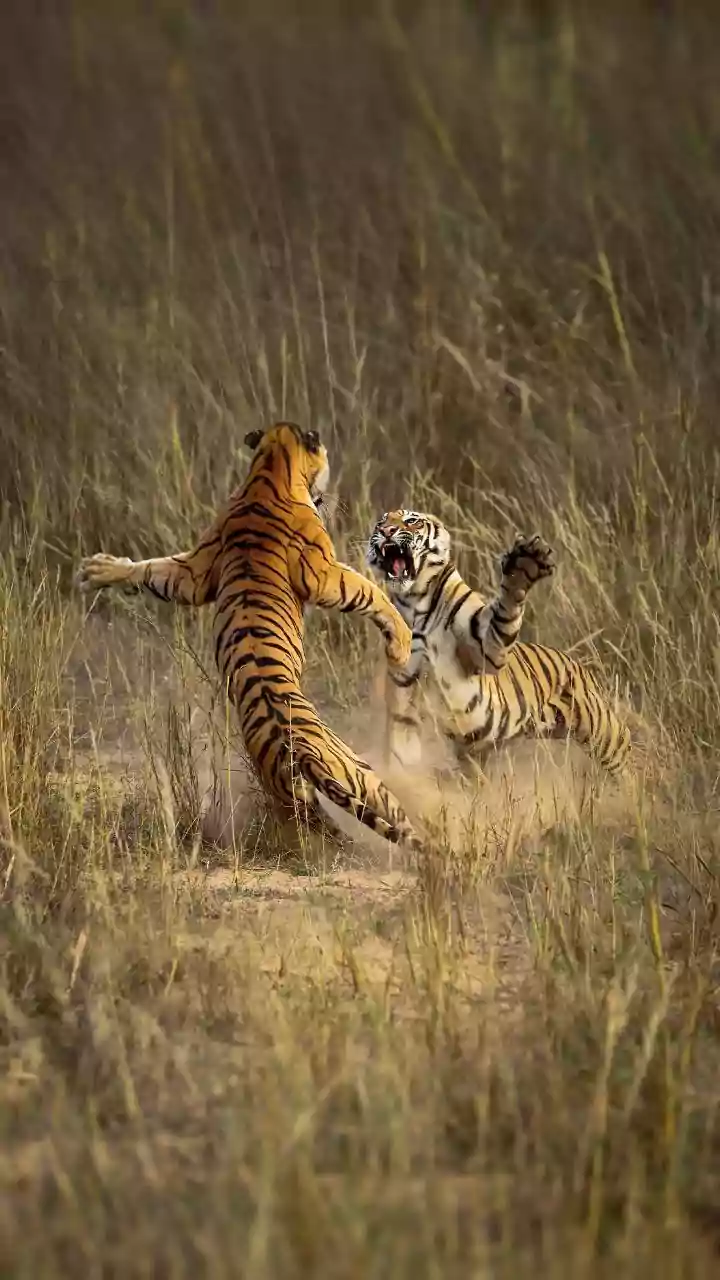
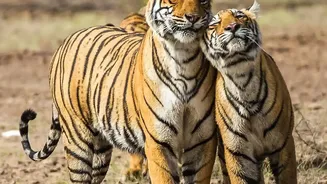
Ranthambore offers a wildlife experience steeped in history, where majestic Bengal tigers roam amidst the ancient ruins of a 10th-century fort. The winter season, from October to February, is considered an excellent time for safaris due to the pleasant weather. The cool, crisp mornings and comfortable afternoons make the long safari drives enjoyable. Tigers, leopards, and sloth bears often come out to bask in the sun, increasing the chances of a sighting. While the peak summer months might offer more predictable sightings around scarce waterholes, winter provides a more comfortable and atmospheric experience. The misty mornings over lakes like Padam Talao and the golden light filtering through the dry deciduous forests create a photographer's dream. Zones 2, 3, and 4 are historically known for frequent tiger activity.
Bandhavgarh National Park, Madhya Pradesh: A Tiger Haven
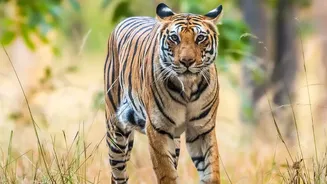
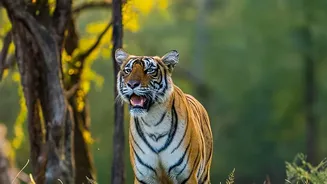
Bandhavgarh is legendary among wildlife lovers for having one of the highest densities of Bengal tigers in India. This relatively small park, with its mix of steep ridges, forests, and grasslands, offers a high probability of spotting the striped predator. The winter season, from November to February, is an ideal time to visit, with cool and pleasant weather making for comfortable safari experiences. During these months, the animals are more active throughout the day. The reduced vegetation after the monsoon season aids in better visibility, and tigers are often seen walking along the safari tracks or resting in open areas. The Tala zone is famously productive for sightings, but advance booking is essential as permits get snapped up quickly for the popular winter period.
Jim Corbett National Park, Uttarakhand: India's Oldest Treasure
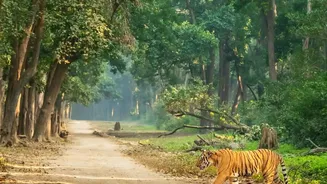
As India's oldest national park and the birthplace of Project Tiger, Jim Corbett holds a special place in the country's conservation history. Its diverse landscape, ranging from Himalayan foothills to riverine belts and grasslands, supports a rich variety of wildlife. Winter, from November to February, is widely regarded as the best time to visit. The weather is pleasant, and all safari zones, including the famous Dhikala zone, are open to visitors. The cool temperatures encourage tigers to be active during the day, often seen basking in sunny patches. Beyond tigers, Corbett is a fantastic destination for spotting herds of wild elephants and is a premier birdwatching location, with over 650 resident and migratory species. The misty mornings and clear, crisp air lend a magical quality to winter safaris in this iconic park.