





Phase One: The Beta Test
Before the downpour begins in earnest, there is a distinct shift in the air. The pre-monsoon showers are like a beta test, working out the kinks before the main event. The oppressive summer heat begins to break, and the hot winds, or 'loo', finally cease
their assault. This is when the first, most anticipated feature is released: petrichor, the intoxicating scent of rain hitting dry earth. Dust, which has blanketed every surface for months, is washed away, revealing a cleaner, fresher version of the city. This initial phase is subtle. It’s a change felt more than seen—a promise of the renewal to come, urging us to look up from our screens and notice the world preparing for its grand seasonal update.
The Visual Upgrade: A Greener Interface
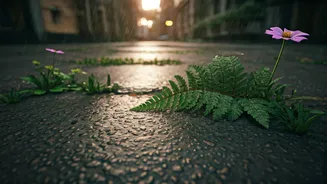
Once the monsoon sets in, the most dramatic change is the visual overhaul. Overnight, the city’s user interface switches to a vibrant green theme. Parched parks, roadside verges, and forgotten patches of soil spring to life. Even the cracks in the pavement become fertile ground for determined weeds and grasses. This greening is not just an aesthetic improvement; it's a sign of a rejuvenated ecosystem. Large trees like the Gulmohar, which often flower in the early monsoon, provide brilliant red-orange canopies against the grey skies. In gardens and on balconies, monsoon-loving flowers like hibiscus, balsam, and marigolds begin their generous display, adding pops of colour to the now-dominant green.
New Features Unlocked: Flora and Fauna
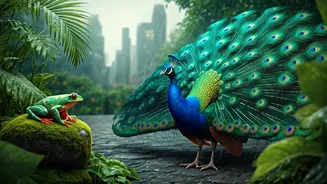
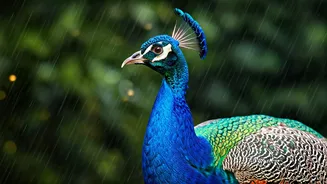
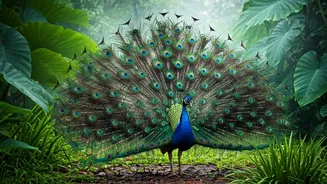
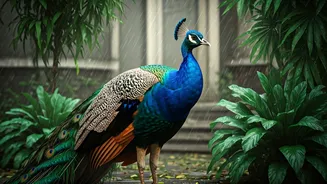
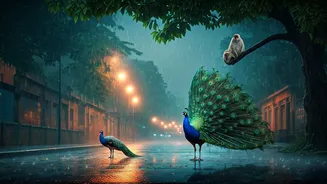
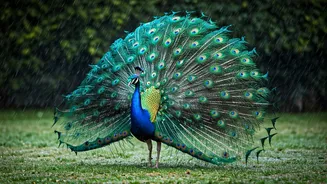
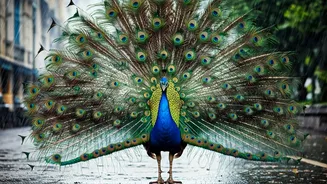
With the rains comes an explosion of life that often goes unnoticed in the urban hustle. This is nature rolling out its feature updates. The most famous is the arrival of the Jacobin Cuckoo, or Pied Cuckoo, a bird celebrated in folklore as the harbinger of the monsoon. Having migrated from Africa, its distinctive 'piu-piu' call becomes a signature sound of the season. Frogs and toads emerge from their subterranean slumber, their croaking calls joining the nightly chorus. Insects, a crucial food source, become abundant, sustaining birds, bats, and other creatures. Even peacocks have been known to make rare appearances in dense urban areas like South Mumbai, their vibrant plumage a startling and beautiful contrast to the concrete jungle.
The Soundtrack of the Season
The monsoon also brings a complete change to the city’s soundscape. The drone of air conditioners is replaced by the rhythmic patter of rain and the distant rumble of thunder. This natural soundtrack is layered with the sounds of newly active wildlife. The ringing calls of cuckoos, the chirping of crickets, and the croaking of frogs create a complex symphony that plays out from dusk till dawn. Fragrant flowers that bloom in the rainy season, such as jasmine, tuberose (rajnigandha), and frangipani, add another sensory layer, their scents hanging heavy and sweet in the cool, moist air. This multi-sensory experience transforms a simple walk or a moment on the balcony into an immersive natural event.
How to Join the Soft Launch
Experiencing this urban renewal doesn't require a trip to a national park. The beauty of this soft launch is that it’s happening everywhere. Pay attention during your daily commute; notice the Baya Weaver birds constructing their intricate, dangling nests from grass and paddy leaves. Visit a local city park after a shower and observe the flurry of activity as birds feast on insects. Many city dwellers can spot different kingfisher species or the Indian Paradise Flycatcher during this time. Even a small balcony can become a front-row seat. Keep a pot of rain lilies, which sprout almost magically after the first showers, or Aparajita (Butterfly Pea) vines that thrive in the wet weather. The key is simply to slow down and observe.