



The Science of Green Dehumidifiers
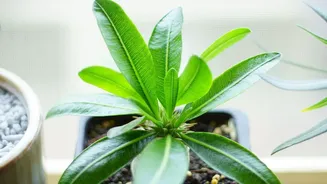
Certain indoor plants are more than just decorative additions; they actively help manage humidity levels. They absorb moisture from the air through their leaves in a process called transpiration. While all plants do this to some extent, some are exceptionally
good at it, making them perfect natural allies during the soggy rainy season. By drawing excess water from the atmosphere, they help create a less hospitable environment for mould and mildew, which thrive in damp conditions. Integrating these plants into your home is a simple, beautiful, and effective strategy for fresher indoor air.
1. The Hardy Snake Plant
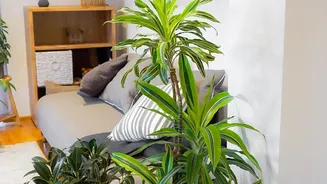
The Snake Plant, or Sansevieria, is a champion of low-maintenance greenery. Its tall, architectural leaves are not just for show; they are efficient at absorbing excess moisture from the air. This plant is particularly useful in bedrooms and bathrooms, as it releases oxygen at night and tolerates lower light conditions. It requires minimal watering, making it an ideal choice for beginners and busy homeowners. Its resilience and air-purifying qualities make it a top contender in the fight against indoor humidity.
2. The Elegant Peace Lily
The Peace Lily is well-known for its ability to thrive in high-humidity environments, and it returns the favour by absorbing moisture from the air. Its broad, dark green leaves have a large surface area, which helps it take in more water. This plant will even give you a visual cue when it's thirsty by slightly drooping, making it easy to care for. Place it in a living room or hallway to add a touch of elegance while it quietly works to reduce the dampness in the air.
3. The Prolific Spider Plant
Spider Plants are another excellent choice for natural dehumidification. These plants are incredibly easy to grow and propagate, producing numerous 'spiderettes' that can be repotted to expand your green army against dampness. They are effective at absorbing airborne moisture and are known for their air-purifying properties, filtering out common household toxins. Their cascading leaves make them a great option for hanging baskets, where they can capture humid air as it circulates.
4. The Lush Boston Fern
Ferns love humidity, and the Boston Fern is particularly good at absorbing it from its surroundings. With its dense, feathery fronds, it acts like a natural sponge for airborne water vapour. To keep it happy, the soil should remain consistently moist, and it appreciates regular misting—a task made easier by the very humidity it helps to combat. A thriving Boston Fern is a clear indicator that it's effectively managing the moisture levels in your room.
5. The Versatile English Ivy
English Ivy is a climbing vine that excels in humid conditions, making it another fantastic natural dehumidifier. It can be grown in pots or hanging baskets, where its trailing vines can help absorb moisture from various levels of the room. Studies have shown its remarkable ability to reduce airborne mould particles, which are a common problem in damp homes. It’s a hardy plant that can adapt to different light levels, making it a versatile choice for many apartment settings.
The Ancient Wisdom of Clay Dehumidifiers
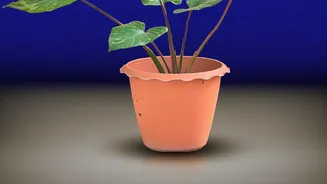
Beyond plants, an ancient material offers a simple solution: clay. Unglazed terracotta or clay units act as natural desiccants. Clay is a porous material filled with microscopic holes that naturally attract and trap water molecules from the air through a process called adsorption. These units, often sold as small decorative pots, balls, or hanging discs, are a passive, electricity-free way to tackle dampness in enclosed spaces like wardrobes, cabinets, and small bathrooms. They are an eco-friendly and reusable alternative to chemical-based moisture absorbers.
Using Clay Units Effectively
To get the most out of your clay dehumidifiers, placement is key. Position them in areas with stagnant air and high humidity. Once a clay unit becomes saturated with water, its effectiveness diminishes. However, they are easily 'recharged'. Simply place the unit in a sunny, dry spot or a warm oven at a low temperature for a short period. This process evaporates the stored moisture, making the clay ready to absorb humidity all over again. This reusability makes them a sustainable and cost-effective tool for seasonal use.