
The Rise and Fall of the 'Shelfie'
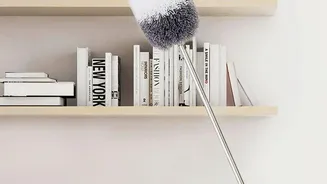
For years, the goal of shelf styling was to fill every inch. Inspired by social media trends like 'cluttercore' and maximalism, we learned to curate organised chaos. We stacked books horizontally and vertically, colour-coded spines, and tucked tiny succulents
into every available gap. It was a 'more-is-more' philosophy, turning our walls into intricate displays of our personalities and possessions. This approach, often called the 'shelfie', celebrated abundance and curated collections. The objective was to create a visual feast, a story told through a dense tapestry of objects. But as with all trends, the pendulum has started to swing back.
A Cultural Shift Towards Calm
The move towards emptier shelves isn't just about aesthetics; it's a reaction to our increasingly cluttered digital and mental lives. Psychologists and designers agree that visually busy environments can contribute to stress and anxiety, sending signals to our brain that our work is never done. In a world of constant notifications and information overload, people are seeking tranquility in their personal spaces. A minimalist, decluttered home can lower stress levels, improve focus, and promote a sense of order and well-being. This trend reversal is part of a broader cultural shift towards wellness, where our homes are seen not as showrooms, but as sanctuaries for mental clarity and rest.
The Art of Negative Space
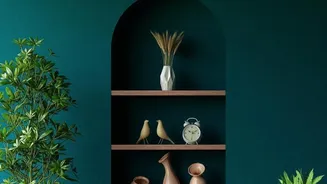
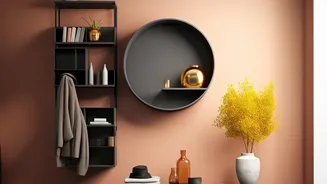
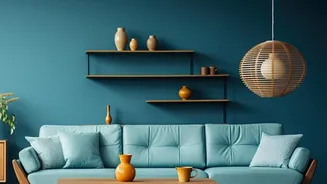
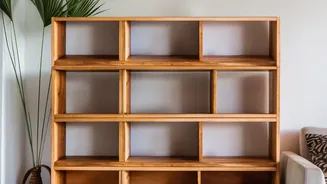
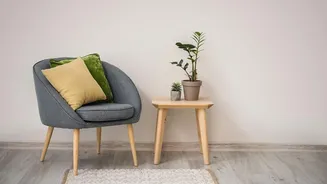
Embracing this new trend means understanding the power of negative space. In design, negative space—the empty area around and between objects—is just as important as the objects themselves. It provides 'breathing room', allowing the eye to rest and appreciate the items that are on display. An over-styled shelf can feel visually noisy, causing standout pieces to get lost in the crowd. By intentionally leaving areas bare, you create a sense of balance and allow each chosen object to have its moment. It’s a shift from displaying everything you own to showcasing a few things that truly matter.
How to Let Your Shelves Breathe
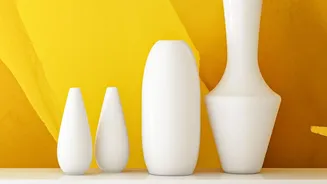
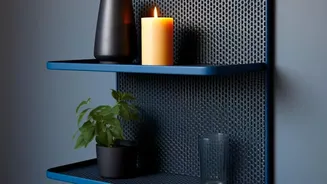
Adopting this less-is-more approach doesn't mean your shelves have to be barren. It’s about intentionality. Start by removing everything and giving the shelves a clean slate. Then, select a few key items: a meaningful piece of art, a beautiful vase, a stack of treasured books, or a personal photograph. Group items in odd numbers, like threes or fives, which is a classic design trick to create a visually appealing arrangement. Vary the height and shape of your objects to create rhythm and flow. Most importantly, don't be afraid to leave space. The goal is to create a calm, edited display that feels purposeful rather than cluttered.
More Than Just a Trend
Ultimately, the reversal of the over-styled shelf trend is about more than just changing tastes. It reflects a desire for a more mindful and intentional way of living. It challenges the idea that we need to constantly acquire and display more, suggesting instead that there is beauty and peace in simplicity. A well-placed empty space on a shelf isn't just empty; it's a quiet moment, a pause in the visual noise of daily life. It’s a conscious choice to prioritise calm over chaos, and in today's world, that might be the most stylish statement of all.