







The End of the Manual Passport Stamp
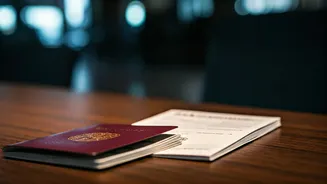
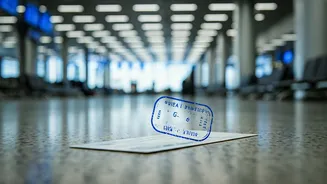
For decades, the rhythmic thud of a passport stamp was the sound of arriving in Europe. That tradition is about to be replaced by a quieter, more modern process. The European Union is rolling out two interconnected systems designed to upgrade its borders
for non-EU visitors, including Americans: the Entry/Exit System (EES) and the European Travel Information and Authorisation System (ETIAS). While any new regulation can sound intimidating, the stated goal here is simple: enhance security while making the travel experience smoother and faster for the vast majority of visitors. Think of it less as a new hurdle and more as an overdue tech upgrade, like trading a paper map for a GPS.
EES: Your New Digital Footprint
The first major change you’ll encounter is the Entry/Exit System (EES), which is set to replace manual passport stamping. When you first arrive in the Schengen Area (which includes 27 European countries like France, Italy, Spain, and Greece), you'll register at an automated kiosk. This one-time process will involve scanning your passport and providing biometric data—specifically, your fingerprints and a facial image. On all subsequent trips within three years, the system will simply verify your identity using your face or fingerprints, creating a quick, digital record of your entry and exit. The primary benefit? It automates the process of checking whether travelers are adhering to the 90-day stay limit, replacing the time-consuming task of a border guard flipping through passport pages looking for stamps. After the initial registration, future crossings are designed to be significantly faster.
ETIAS: The Simple Online 'Visa Waiver'
Set to launch in mid-2025, the European Travel Information and Authorisation System (ETIAS) is perhaps the most discussed part of the new process. It's crucial to understand what it is—and what it isn't. ETIAS is not a visa. It's a travel authorization for visitors from visa-exempt countries, similar to the ESTA system the U.S. has used for years. Before your trip, you’ll fill out a simple online application with your passport details, personal information, and answers to some basic security questions. The cost is expected to be just €7 (around $8), and the approval, which is linked directly to your passport, will be valid for up to three years or until your passport expires. For most applicants, approval should arrive via email within minutes. This small digital step, completed from home, pre-screens travelers and connects your identity to your travel plans, making the physical border crossing itself more of a formality.
The 'Hassle-Free' Payoff
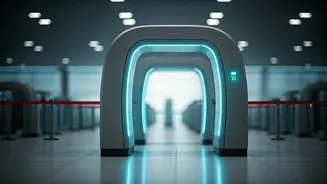
So, how does this all lead to a “hassle-free” experience? The long-term vision is a seamless curb-to-gate journey. Once you have a valid ETIAS and are registered in the EES, the system works for you. Instead of waiting in a long line for a human border agent, you’ll increasingly be directed to automated e-gates. You’ll scan your passport, the camera will verify your face against the EES database, and the gate will open. The entire interaction could take seconds. This efficiency is the core promise. By automating checks for routine travelers, border officials can focus their attention on exceptional cases, which should reduce bottlenecks for everyone. While the initial rollout may have some bumps, the end goal is a system where your face and passport become an instant key to unlocking your European vacation, letting you get to the gelato, museums, and beaches faster than ever before.