

The Rise of the Dark Kitchen
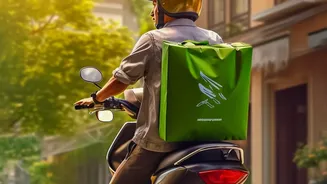
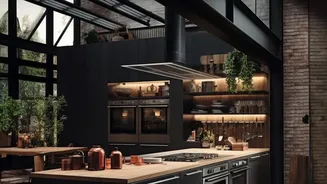
You’ve likely ordered from one without even knowing it. Dark kitchens, also known as cloud or ghost kitchens, are delivery-only restaurants with no physical storefront or dining area.. They are built exclusively to serve orders from online food aggregators
and their own apps.. This model exploded during the pandemic, but its advantages have ensured its continued growth.. By eliminating the need for expensive high-street locations, waitstaff, and front-of-house operations, cloud kitchens drastically reduce overhead costs.. This makes launching a food business significantly more accessible and less risky than opening a traditional restaurant.. For entrepreneurs, the focus shifts entirely to the food, quality, and efficient delivery.
Enter the 'Micro-Cloud' Model
The 'micro-cloud' concept takes this a step further. Instead of large, centralized kitchen facilities, this model involves an even lighter, more distributed network. It often means empowering individual chefs to work from their own certified home kitchens or small, shared, low-cost commercial spaces.. This hyper-decentralized approach is particularly powerful for home chefs and small entrepreneurs who possess culinary talent but lack capital.. Platforms and franchise programs are emerging that provide the technology, marketing, packaging, and logistical backbone—handling everything from online listings on Zomato and Swiggy to raw material supply.. The cook simply needs to do what they do best: cook.
A Culinary Treasure Yet Untapped
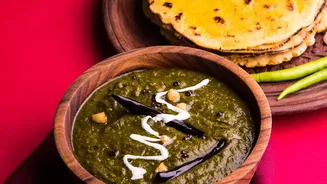
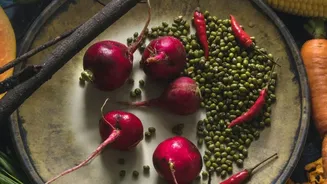
India's tribal communities, from the Santhals of Jharkhand to the Koyas of Andhra Pradesh, possess culinary traditions that are deeply connected to the land, seasons, and local ecology.. These cuisines often feature unique ingredients like foraged greens, wild mushrooms, and local grains such as millet.. For decades, these foods have been largely inaccessible to mainstream urban audiences. The reasons are numerous: geographic distance, a lack of commercial platforms, and a restaurant industry that often standardizes menus for scalability.. This has meant that a huge part of India's gastronomic heritage has remained a secret, known only within the communities themselves.
Bridging the Urban-Tribal Divide
The micro-cloud kitchen model directly addresses the historical barriers faced by regional and tribal cooks. The single biggest hurdle—prohibitive rent for a physical restaurant in a metro city—is eliminated.. A talented cook from a village in Jharkhand or a remote community in Himachal Pradesh no longer needs lakhs in capital to test their concept.. Instead, they can partner with a platform that equips them to start small from a home or shared kitchen.. These platforms handle the complex world of digital marketing, order management, and delivery logistics, which are often unfamiliar to a traditional cook.. This allows the cook to focus purely on the authenticity and quality of their food, bringing dishes like 'jirhul phool chokha' or 'mahua kheer' to a new and curious urban audience..
More Than Just a Meal
This model is about more than just food; it's a powerful engine for economic and cultural empowerment. For many tribal cooks, particularly women, it offers a path to financial self-reliance without having to leave their homes or communities.. It transforms their ancestral knowledge into a viable economic asset. Moreover, it fosters immense cultural pride.. As urban customers begin to appreciate and seek out these unique flavours, it validates and helps preserve culinary traditions that were at risk of being forgotten.. Initiatives that bring tribal home cooks into mainstream pop-ups have already shown the immense appetite for these authentic experiences, turning a simple meal into a story of heritage and connection..