



That Pain Is a Signal, Not Just Noise
It’s easy to dismiss knee pain that comes and goes. You might feel it when climbing stairs, notice stiffness after a long car ride, or hear a subtle clicking sound when you move. These symptoms often seem manageable at first, leading many people to delay
a medical consultation. However, this isn't just random discomfort. It's your body's way of signaling an underlying issue. Unlike a sudden, acute injury, this type of pain often develops gradually, becoming more frequent over time. When pain causes you to unconsciously change how you move—like favouring one leg or avoiding certain activities—you set off a chain reaction that can accelerate joint damage.
Your Knee's Priceless Shock Absorber
Inside your knee joint, the ends of your bones are covered with a smooth, tough, and flexible tissue called articular cartilage. Think of it as a sophisticated shock absorber and a low-friction surface, allowing your thigh and shin bones to glide smoothly against each other. This amazing tissue cushions every step, jump, and squat you make. But here’s the crucial part: cartilage has no direct blood supply. This means it can't heal or repair itself the way muscles or skin can. Once it’s damaged, the process of wear and tear tends to be progressive if left unaddressed.
The Downward Spiral of Cartilage Wear
When you ignore knee pain, you often start moving differently to avoid it, a process known as 'compensatory movement'. This altered gait can shift your body weight unevenly across the knee joint, placing excessive pressure on areas of cartilage not designed to handle it. This overload accelerates the breakdown of the smooth cartilage surface, causing it to soften, thin, and become rough. As the protective layer wears away, the bones begin to rub more directly against each other, leading to increased friction, inflammation, and the development of osteoarthritis. What began as a minor ache can progress into chronic pain, swelling, and significant stiffness.
From Discomfort to Loss of Mobility
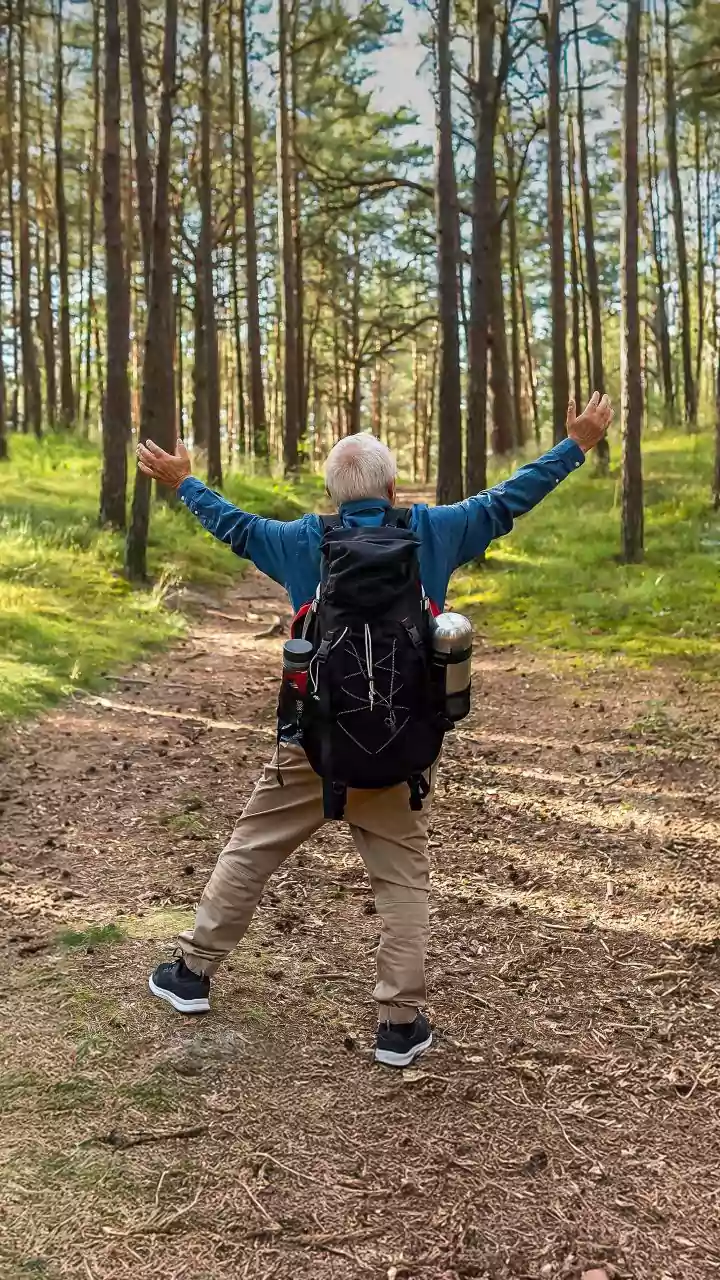
The end result of progressive cartilage loss is a direct threat to your active lifestyle. As pain and stiffness worsen, your range of motion becomes limited, making it harder to fully bend or straighten your knee. Activities you once enjoyed, like hiking, playing sports, or even taking a brisk walk, become challenging or impossible. This isn't just a physical decline; it impacts your independence, confidence, and overall quality of life. Many people only seek help when their mobility is already seriously compromised, but by then, the treatment options may be more complex.
The Power of Early Action
The good news is that early attention can significantly slow or halt this progression. Consulting a doctor or physical therapist at the first sign of persistent pain allows for an accurate diagnosis before major damage occurs. Early intervention opens up a wider range of effective, non-surgical options. This can include targeted physical therapy to strengthen the muscles that support the knee, like the quadriceps and glutes, which act as secondary shock absorbers. It might also involve activity modification, such as swapping high-impact running for lower-impact swimming or cycling to reduce stress on the joint.