







What Makes a Satellite ‘Intelligent’?
Traditionally, satellites were designed for one primary job: collect vast amounts of raw data and beam it back to Earth. Huge ground stations would then receive this information, and powerful computers—and teams of people—would get to work processing
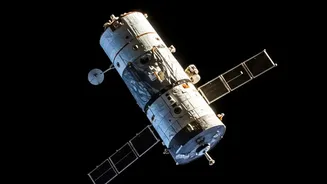
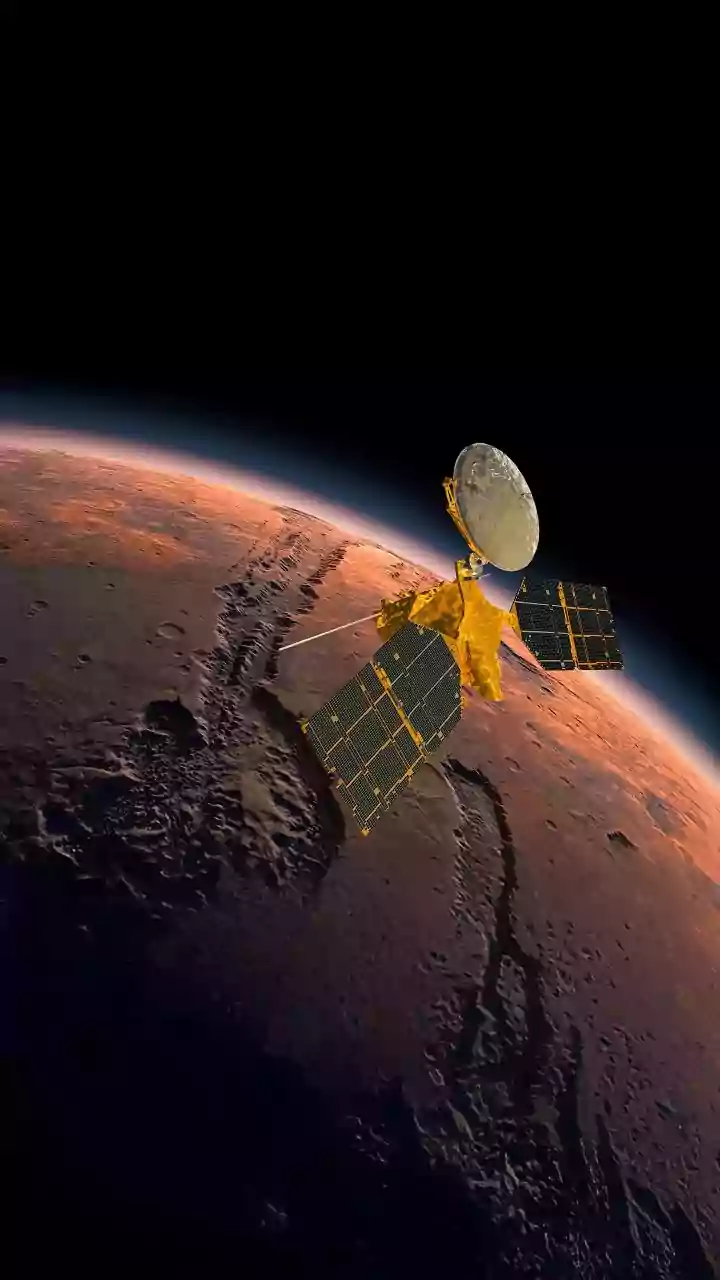
it. An AI satellite fundamentally changes this model. Instead of just collecting and sending, it processes and analyzes data directly in orbit. This is known as onboard or edge computing. The 'intelligence' comes from machine learning algorithms that allow the satellite to make decisions on its own, without waiting for commands from a human operator hundreds or thousands of kilometres below. This means it can sift through data, identify what’s important, and decide what to do next in near real-time.
From Data Collector to Decision-Maker
The key difference is the shift from being a passive data-gatherer to an active decision-maker. Think of a traditional satellite like a security camera that records everything and sends the entire, unedited footage to a central server. An AI-powered satellite is like a smart camera that ignores hours of uneventful footage but immediately identifies a specific event—like a fire starting—and sends an alert with only the relevant clip. This capability is revolutionary because it solves two major bottlenecks: the sheer volume of data being sent back to Earth and the communication delay. With AI on board, a satellite can autonomously filter out irrelevant information, such as images of heavy cloud cover, and focus its instruments on valuable targets.
Real-World Superpowers in Orbit
The practical applications of this technology are already making an impact. For disaster management, AI-equipped satellites can detect the early signs of a wildfire or a volcanic eruption and immediately notify emergency services, bypassing the lengthy process of downlinking and analyzing data. In agriculture, they can monitor crop health and identify areas needing water or suffering from pests, providing farmers with timely insights. This technology is also crucial for environmental monitoring, from tracking illegal fishing vessels to detecting plastic pollution in the oceans and monitoring the effects of climate change. For countries with long coastlines and vast agricultural lands like India, these capabilities offer enormous potential for resource management and public safety.
The Benefits of Onboard Brains
Giving satellites their own 'brains' comes with several key advantages. The first is speed. By processing data in orbit, AI satellites can deliver actionable insights much faster, which is critical for time-sensitive events like natural disasters. Second is efficiency. Transmitting data from space is resource-intensive. By only sending back relevant, pre-processed information, satellites can dramatically reduce the strain on communication bandwidth. Finally, there's autonomy. AI enables satellites to perform complex tasks independently, such as navigating to avoid space debris or adjusting their own systems to maintain optimal health, increasing mission reliability and longevity. This is especially vital for deep-space missions where communication delays can take hours.
The Future: Swarms, Swaps, and Deep Space
The evolution of AI in space is just getting started. Experts envision a future where 'constellations' or 'swarms' of AI satellites work together collaboratively. For example, one satellite might detect an event, then task other nearby satellites to observe it from different angles for a more comprehensive view. Companies like SpaceX and Google are exploring concepts for orbital data centres, leveraging the constant solar power and natural cooling of space to run massive AI computations. As we venture further into the solar system, with planned missions to the Moon and Mars, AI will be essential for enabling spacecraft and rovers to navigate hazardous terrains, conduct scientific analysis, and operate autonomously far from human guidance.