




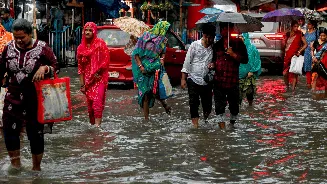



A Parched Start to the Season
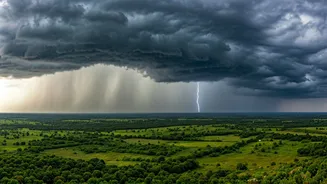
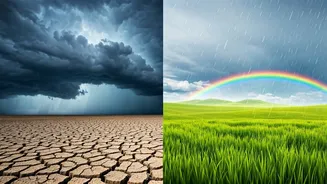
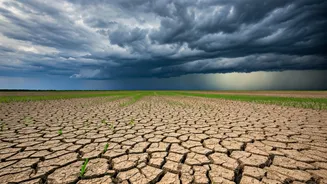
The Southwest Monsoon, the lifeblood of Indian agriculture, has had a sluggish and concerning start in 2026. As of late June, cumulative rainfall across the country was more than 40% below the long-period average, a figure that places it deep in the 'deficient'
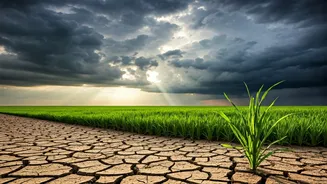
category. This delay is not uniform, with critical agricultural belts in central and western India, including states like Maharashtra, Madhya Pradesh, and Chhattisgarh, facing significant shortfalls of 50-60%. The delayed advance has disrupted the crucial kharif sowing season, which accounts for a substantial portion of India's annual food grain production. This initial dry spell is creating a domino effect, impacting everything from soil moisture levels to the planting decisions of millions of farmers.
The Immediate Pinch: Vegetable Prices
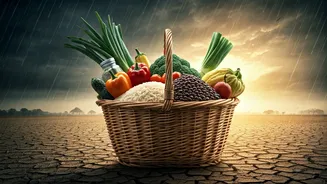
The first and most visible impact of erratic rainfall is on perishable goods, especially vegetables. With supply chains disrupted and yields affected by water scarcity, prices for key kitchen staples like tomatoes and onions have already begun to climb. These horticultural crops are highly sensitive to weather conditions, and delayed monsoons directly affect their cultivation. Data from June showed an uptick in prices for major vegetables, continuing a trend from May where food inflation accelerated. This immediate price pressure serves as an early warning signal for broader inflationary trends, hitting consumer pockets long before the full impact on grain crops is felt.
The Looming Kharif Crop Question
The primary concern for economists and policymakers is the fate of the kharif crops, which are sown during the monsoon. These include staples like rice, pulses, oilseeds, and cotton. The significant rainfall deficit has led to a slow start in sowing, with the total area planted lagging behind the previous year. According to CRISIL, the delayed monsoon is expected to postpone the sowing and transplanting of paddy, cotton, and pulses. Since about 60% of India's net sown area is rain-fed, a weak monsoon directly threatens the output of these essential crops. The Reserve Bank of India (RBI) has explicitly flagged the below-normal monsoon as a significant risk that could amplify food price inflation later in the year.
El Niño and Water Reservoir Worries
Compounding the issue is the formal declaration of El Niño conditions, a climate pattern often associated with weaker monsoon rains in India. The India Meteorological Department (IMD) had already forecast a 'below-normal' monsoon for the season, adding weight to the concerns. Beyond the immediate crop cycle, the lack of rainfall has a worrying impact on the country's water reservoirs. Depleted reservoir levels not only threaten drinking water supplies but also jeopardise the subsequent rabi (winter) crop season, which relies heavily on stored water for irrigation. This creates a longer-term risk to food security that extends beyond the current harvest.
The Official Response and Outlook
Both the government and the RBI are closely monitoring the situation. The RBI has noted that while food stocks of rice and wheat are comfortable, the risks to the inflation trajectory have been amplified by the poor monsoon forecast. Governor Sanjay Malhotra highlighted that while the near-term outlook was manageable due to a good rabi harvest, the monsoon's performance is a major uncertainty. In response, the agriculture ministry is promoting contingency measures, such as advising farmers to use short-duration crop varieties and conserve water. The coming weeks, particularly the rainfall distribution in July, will be critical. A strong revival could help recover lost ground in sowing, but a continued deficit will undoubtedly translate into higher food bills for everyone.