


The Soul of Smoke and Terroir
The secret to the distinctive character of these Himalayan teas lies in two key elements: the unique processing methods and the concept of 'terroir'. Terroir is a term borrowed from the world of wine, but it applies perfectly to tea. It refers to the complete
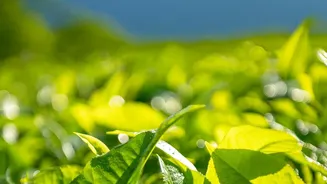
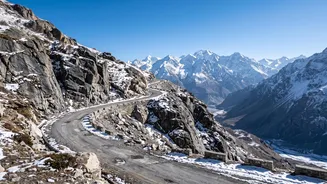
natural environment in which a particular tea is produced, including factors such as the soil, topography, and climate. In the high altitudes of Sikkim and Ladakh, the harsh weather, intense sunlight, and mineral-rich mountain soil force the tea plants to grow slowly. This slow growth concentrates the natural oils and nutrients in the leaves, creating a more complex and profound flavour profile even before any processing begins. When this natural intensity is combined with traditional smoking techniques, the result is a beverage that is deeply expressive of its origin.
Sikkim: Earth, Fire, and Floral Whispers
Sikkim, India's first fully organic state, is home to teas that are often compared to their famous Darjeeling neighbours but possess a unique character. While many Sikkim teas are known for their delicate floral and muscatel notes, the region also has traditions of producing more robust, earthy brews. The flavour isn't just from smoke; it's from the land itself. Grown at altitudes between 1,000 and 2,000 metres, Sikkim teas develop a full-bodied profile. The older, traditional methods involve drying the leaves over smouldering fires, which infuses them with a subtle smokiness that complements the tea's inherent sweet and earthy notes. This process is less about creating a dominant smoke flavour, like in a Lapsang Souchong, and more about adding a layer of complexity that grounds the tea's bright, floral top notes with a foundation of warmth and earth.
Ladakh’s Gur Gur Cha: A Savoury Mountain Elixir
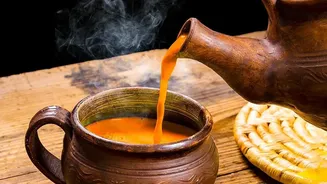
In the high-altitude desert of Ladakh, tea is not just a beverage; it's a vital source of warmth, calories, and comfort. The traditional tea here is Gur Gur Cha, a salty butter tea that is a world away from a delicate floral cup. Its foundation is a special type of fermented brick tea, often imported from Tibet or neighbouring regions. These bricks are made by compressing coarse tea leaves and stems, a process that in itself can create a deep, earthy character. To make Gur Gur Cha, pieces of this brick tea are boiled for a long time to create a strong, dark concentrate. This concentrate is then churned with salt and, traditionally, yak butter, in a tall wooden churn called a 'gurgur'. The name 'Gur Gur Cha' mimics the sound of this churning. The resulting brew is thick, savoury, and intensely warming.
The Taste of High-Altitude Survival
The flavour of Gur Gur Cha is undeniably earthy and brothy, designed to be more like a nourishing soup than a simple drink. The smokiness here is often a byproduct of the brick tea's rustic processing and sometimes from the traditional cooking methods over open fires. The primary flavour drivers are the fermented tea, the salt, and the fat from the butter. The yak butter adds a rich, almost cheesy funkiness that is central to the authentic experience, providing essential fats to combat the harsh, cold climate. The salt helps the body retain water, crucial in the dry mountain air. This combination creates a flavour profile that is the very essence of its environment: rugged, sustaining, and deeply rooted in the earth. It is a taste forged by necessity and perfected by centuries of tradition.