


1. The Devastating Health Costs
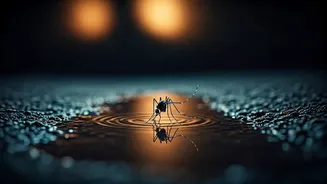
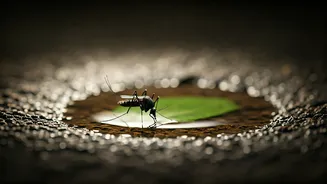
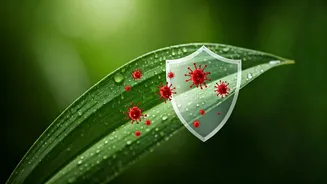
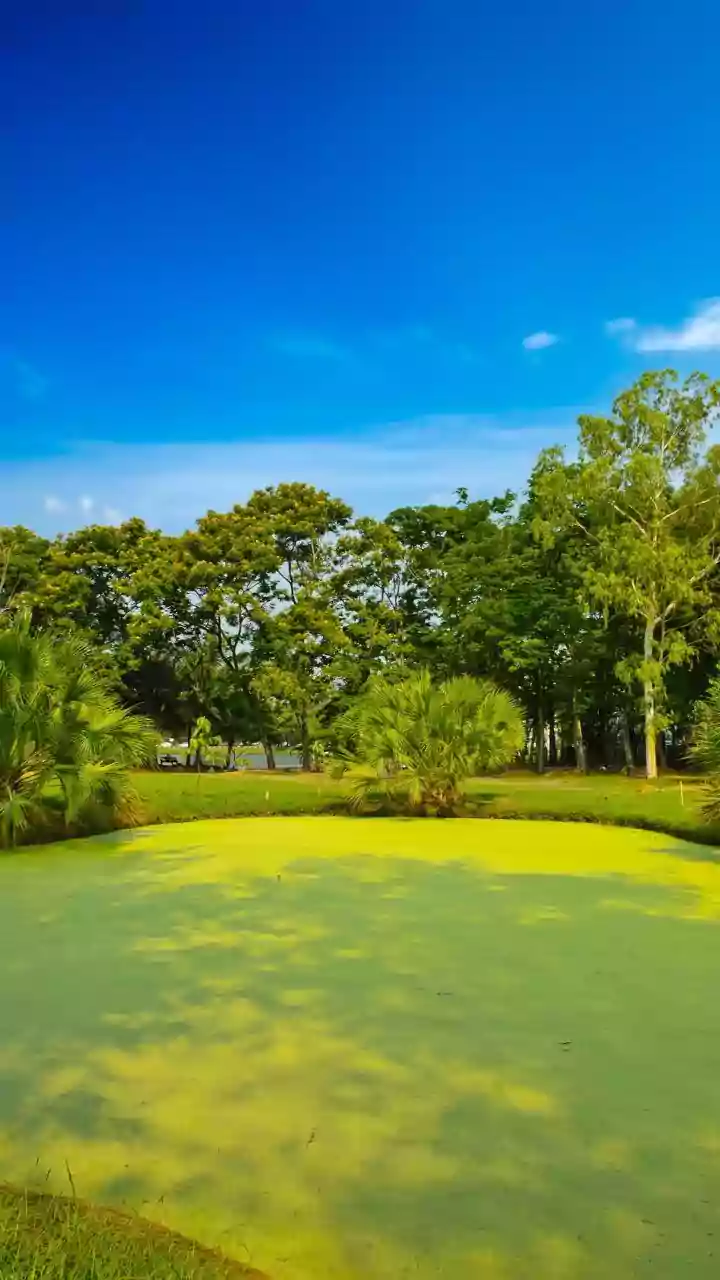
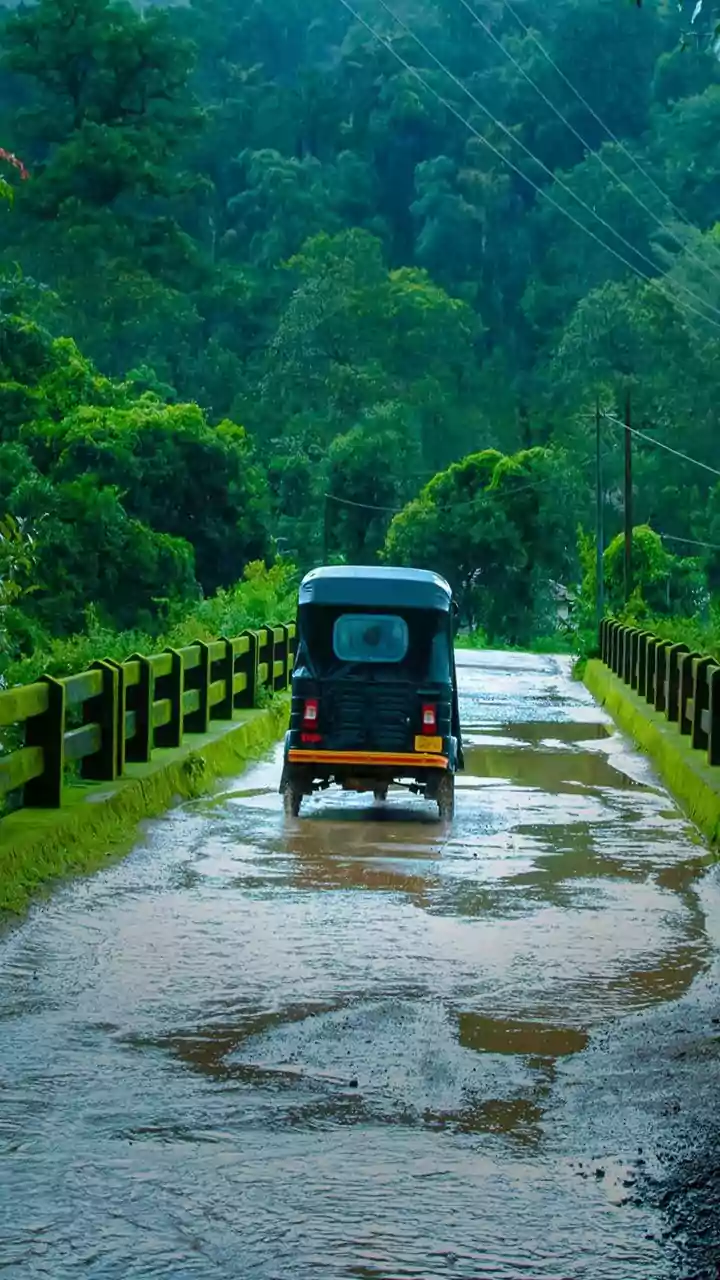
The most immediate and dangerous cost of stagnant water is its impact on health. In India, small pools of standing water are perfect breeding grounds for Aedes aegypti mosquitoes, the primary vectors for dengue, chikungunya, and Zika virus. Similarly,
Anopheles mosquitoes, which transmit malaria, thrive in such conditions. An outbreak in the family doesn't just mean physical suffering; it translates into significant financial strain. Consider the costs: doctor consultations, diagnostic tests, expensive medicines, and potential hospitalisation. Add to this the loss of income from missed workdays for both the patient and their caregivers. These vector-borne diseases can have long-term health consequences, making that small, ignored puddle one of the most expensive health hazards you can have near your home.
2. The Silent Ruin of Your Property
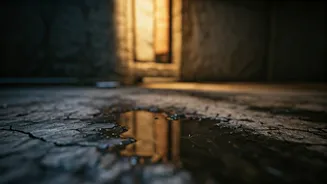
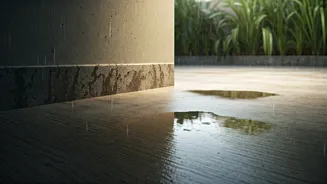
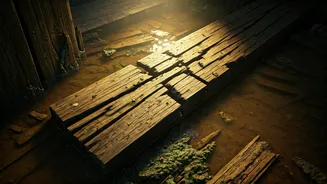
Water is relentless, and when it's left to stand, it slowly but surely degrades your property. Stagnant water collected near the base of your house can seep into the foundation, causing cracks and compromising the structural integrity of your entire home over time. This is known as 'damp proof course' (DPC) failure. The moisture wicks up through the walls, leading to peeling paint, crumbling plaster, and a perpetually damp, musty environment. Wooden doors and window frames can swell and rot. The cost of repairing foundational damage, waterproofing walls, and replacing ruined fixtures can run into lakhs, a staggering price to pay for what started as a small drainage issue.
3. The Invasion of Mould and Pests
Where there is stagnant water, there is dampness. And where there is dampness, mould and fungus are sure to follow. These aren't just ugly black or green patches on your walls. Mould releases spores into the air that can cause or worsen allergies, asthma, and other respiratory problems, particularly in children and the elderly. Getting rid of a serious mould infestation is not a simple DIY job; it often requires professional remediation, which can be expensive and disruptive. Furthermore, standing water is a magnet for other pests besides mosquitoes. Cockroaches, rodents, and other vermin are attracted to these water sources, leading to infestations that require costly and repeated pest control services.
4. The Direct Hit to Your Wallet
Beyond repairs and medical bills, stagnant water can lead to direct financial penalties. Many municipal corporations across India have implemented strict rules to curb the spread of vector-borne diseases. If a health inspector finds stagnant water on your property—in coolers, pots, tyres, or blocked drains—you could be slapped with a hefty fine. These penalties are designed to enforce public health standards and can add an unexpected expense. The cumulative cost of these 'small' things—fines, repeated pest control, buying new home items damaged by damp—adds up to a significant financial drain over time, all stemming from poor water management.
5. The Damage to Your Home's Value
Finally, consider the long-term impact on your property's value. A home that is constantly battling issues of dampness, pests, and structural weakness is a hard sell. Potential buyers are often deterred by signs of water damage, as they signal underlying problems that could be very expensive to fix. Even if you aren't planning to sell, recurring water stagnation issues can lower the overall quality of life in your home and neighbourhood. Foul odours, an abundance of pests, and a general state of disrepair can affect community well-being and make your living space less pleasant. A well-maintained, dry property is not just a healthy home; it's a valuable asset.