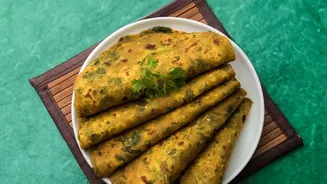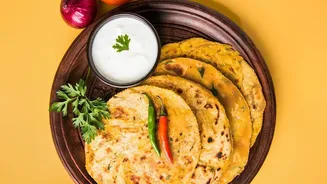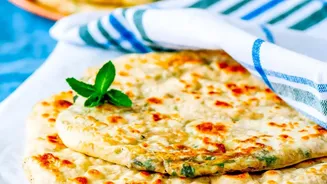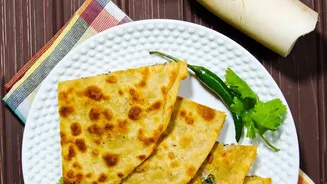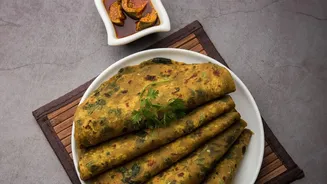

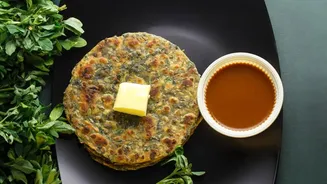

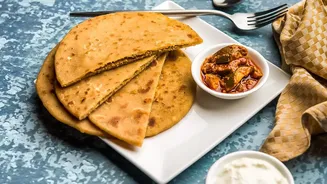
As winter arrives, our cravings shift to warm, comforting meals. This recipe for Jowar Mooli Paratha offers the perfect blend of tradition and health, transforming a classic flatbread into a nutritious, gluten-free, and seasonal delight.
A Perfect Winter Partnership
The combination
of jowar (sorghum) and mooli (radish) is a match made for the colder months. Jowar, an ancient millet, provides a rustic, earthy flavour and wholesome nutrients, while mooli, a crisp winter vegetable, adds a sharp, peppery note and essential hydration. This paratha embraces the wisdom of seasonal eating, a practice deeply rooted in Indian food traditions that ensures we get the most nutrients and flavour from our produce. Winter is the peak season for radishes in India, making them incredibly fresh, flavourful, and packed with health benefits. This recipe brings these two powerhouse ingredients together in a soft, satisfying flatbread that is perfect for a hearty breakfast or a light lunch.
The Nutritional Power of Jowar
Jowar flour is gaining immense popularity as a healthy alternative to refined wheat flour, and for good reason. Its most significant advantage is that it is naturally gluten-free, making it an excellent choice for those with celiac disease or gluten sensitivity. Rich in dietary fibre, jowar aids digestion, prevents constipation, and promotes a feeling of fullness, which can help with weight management. It's also a great source of complex carbohydrates that provide a slow and steady release of energy, preventing the sharp blood sugar spikes associated with refined grains. Furthermore, jowar is packed with essential minerals like iron, magnesium, and copper, which are vital for bone health, blood circulation, and overall energy levels.
Why Mooli is a Winter Star
Often overlooked, the humble radish is a true superfood, especially during winter. It is incredibly hydrating and packed with Vitamin C, a powerful antioxidant that helps boost the immune system and fight off common winter ailments like colds and flu. The high fibre content in radish supports a healthy digestive system, while compounds within it are believed to help the liver with detoxification. For those managing their blood sugar, radishes have a low glycemic index, making them a smart dietary addition. Their potassium content also helps in regulating blood pressure, contributing to better heart health.
How to Make Jowar Mooli Paratha
Making these parathas is simpler than you might think. The key to a soft, pliable jowar dough is using hot water. 1.5 cups Jowar Flour 1 cup Grated Radish 1/4 cup finely chopped Radish Greens (optional) 1-2 Green Chillies, finely chopped 1 tsp Ginger, grated 1 tsp Carom Seeds (Ajwain) 1/2 tsp Turmeric Powder Salt to taste Hot water for kneading Ghee or oil for cooking 1. Prepare the mooli: Sprinkle a little salt on the grated radish and set it aside for 10 minutes. This will help it release excess water. Squeeze the grated radish firmly to remove all the water; this is crucial to prevent the dough from becoming sticky. 2. Make the dough: In a large bowl, combine the jowar flour, squeezed radish, chopped radish greens, green chillies, ginger, ajwain, turmeric powder, and salt. 3. Knead: Gradually add hot water and carefully knead everything into a soft, smooth dough. Jowar dough needs a bit more kneading than wheat dough. Let the dough rest for about 15-20 minutes. 4. Roll the parathas: Divide the dough into equal-sized balls. Since jowar flour is gluten-free, the dough can be delicate. A great tip is to roll the paratha between two sheets of parchment paper or on a plastic sheet to prevent it from breaking. Roll it gently to your desired thickness. 5. Cook: Heat a tawa (griddle) over medium heat. Place the paratha on the tawa and cook for a minute before flipping. Apply a little ghee or oil and cook both sides until golden-brown spots appear, pressing gently with a spatula. Serve hot with curd, pickle, or a fresh chutney.