

What Exactly Is Saffron?
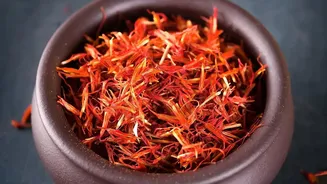
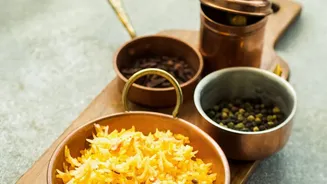
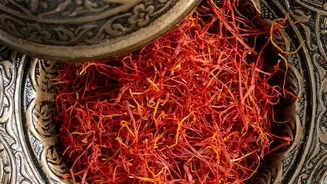
Saffron consists of the delicate, dried stigmas (threads) of the Crocus sativus flower. Each flower produces only three threads, which must be harvested by hand, explaining why it is the most expensive spice in the world. In India, it's a cornerstone
of festive and royal cuisines, particularly from Kashmir, where it is famously cultivated. Its flavour is subtle, complex, and often described as earthy, floral, and hay-like, while its aroma is pungent and unmistakable. A tiny amount is enough to transform a dish with its colour, fragrance, and taste.
Unlocking Saffron's Magic: The Art of Blooming
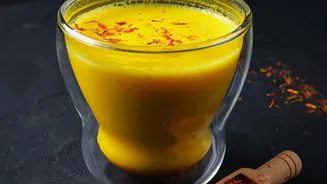
To get the most from your precious saffron, never just toss the dry threads into a dish. The key is to 'bloom' it first. This simple process involves steeping the saffron threads in a warm liquid to release their flavour, aroma, and colour compounds—crocin (colour), picrocrocin (taste), and safranal (aroma). Gently crush a pinch of saffron threads with your fingers or a mortar and pestle. Soak them in a few tablespoons of warm (not boiling) water, milk, or broth for at least 15-20 minutes. The liquid will turn a beautiful golden-orange. Add this entire infusion, threads and all, to your dish towards the end of cooking.
Saffron in the Indian Kitchen
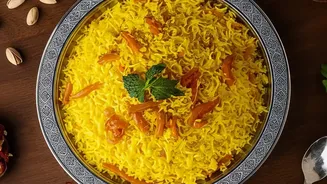
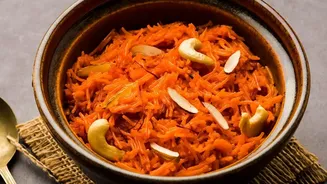
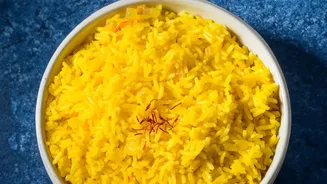
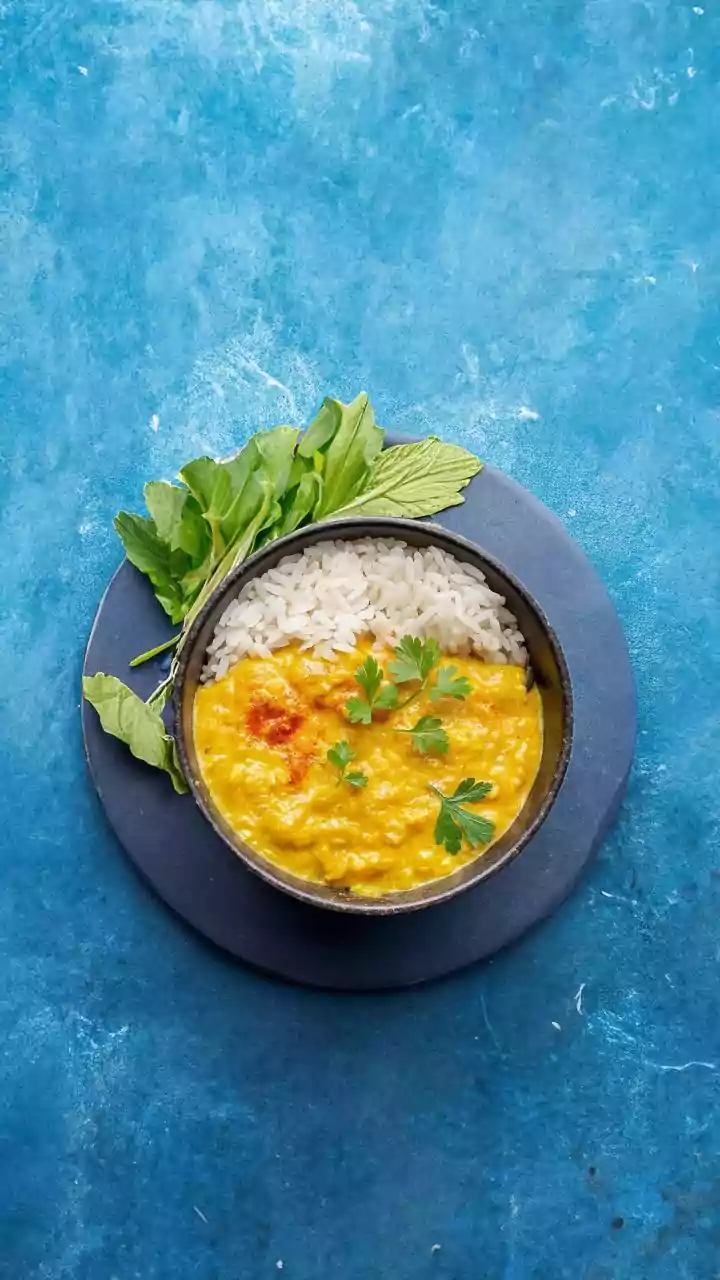
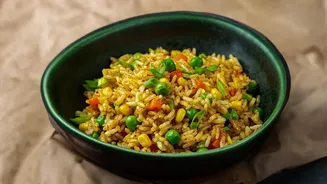
Saffron is indispensable in a wide array of Indian dishes, from savoury to sweet. It is the soul of a good Biryani or Pulao, where it imparts a luxurious fragrance and a stunning golden colour to the rice. Many iconic Indian desserts would be incomplete without it. A few strands soaked in milk are essential for making creamy Kheer, rich Phirni, and delicate Rasmalai. It also elevates festive sweets like Kesar Peda, Shrikhand, and Kulfi, providing both its signature flavour and royal appearance.
How to Buy and Store Real Saffron
Due to its high cost, saffron is often counterfeited. Always buy whole threads, not powder, which can be easily adulterated with fillers like turmeric or paprika. Real saffron threads are trumpet-shaped (thinner at one end and flared at the other), deep red, and should smell floral and earthy. A simple home test is to place a few threads in cool water; real saffron will slowly release a golden-yellow colour, while the threads themselves remain red. Fake saffron often bleeds a bright red or orange instantly. To store it, keep the threads in an airtight container in a cool, dark, and dry place, away from other strong-smelling spices.
Health Claims: Fact vs. Fiction
Saffron has been used in traditional medicine for centuries. Modern science is now investigating some of these uses. Saffron contains powerful antioxidants like crocin and safranal. Some small clinical trials have suggested that saffron supplements may help with symptoms of mild depression, PMS, and even aid in appetite reduction. Other preliminary research has looked into its potential to improve eyesight in adults with age-related macular degeneration (AMD) and cognitive function in adults with Alzheimer's disease. However, it's crucial to understand that much of this research is preliminary, involves specific extracts in high doses, and is not conclusive enough for clinical recommendations. The evidence is not yet sufficient to replace proven medical treatments.
Enjoy Saffron for What It Is
While the ongoing scientific research is promising, it's important not to treat the saffron in your kitchen like a medicinal cure-all. High-dose supplements can have side effects and interact with medications, and they are not regulated in the same way as food. The true, undisputed power of saffron lies in its culinary value. Its ability to bring joy, luxury, and an unmatched sensory experience to a meal is its most reliable and potent quality. Enjoy it for its incredible flavour, its beautiful colour, and the sense of occasion it brings to your cooking.