


The Age of the Impeccable Plate
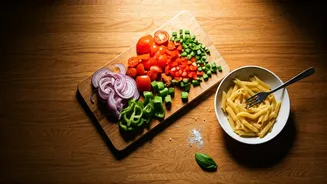
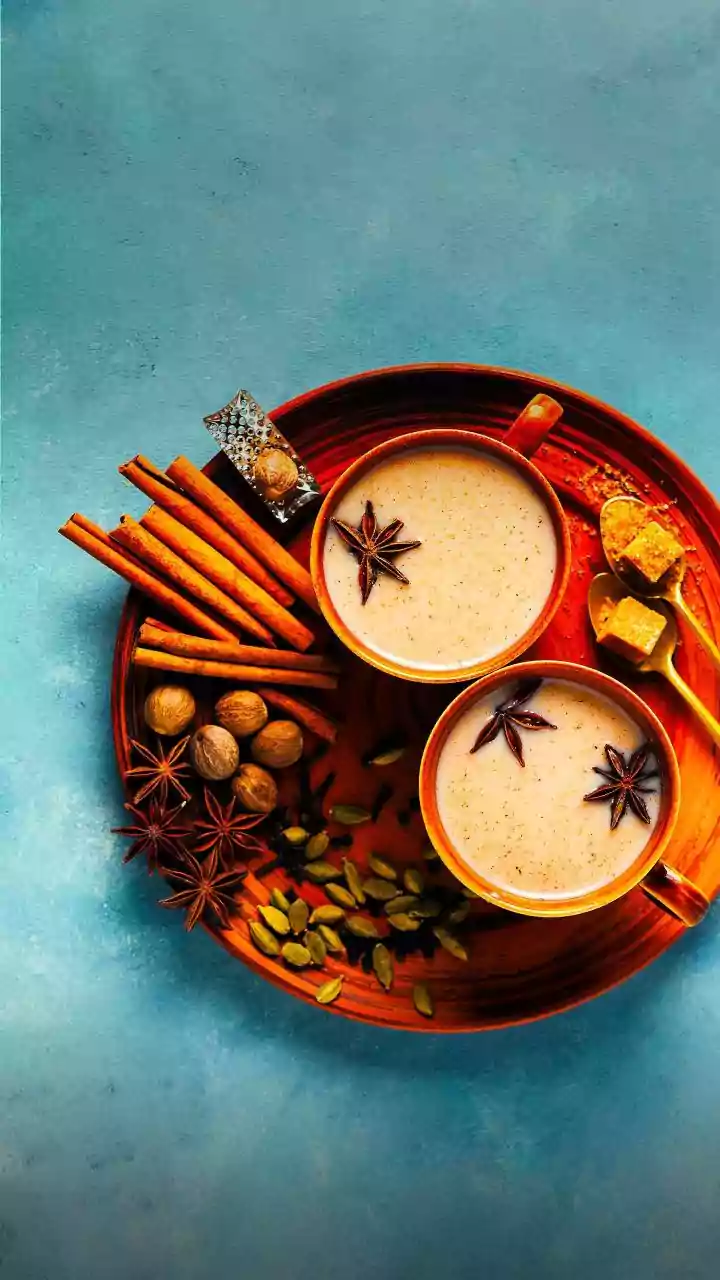
For much of the 2010s, food culture was dominated by a single platform: Instagram. It was the era of the Millennial foodie, where meals were not just for eating, but for showcasing. The overhead shot of a pristine brunch, the meticulously arranged flat
lay, and the vibrant, filtered colours of a dish became the standard. This aesthetic created a culture of aspirational eating, where the goal was often to create something that looked as good as, if not better than, it tasted. While it democratised food photography, it also established a subtle pressure for perfection. A dish that got cold while being photographed was a common sacrifice for the perfect shot. For many, cooking became less about nourishment and more about performance.
Enter the TikTok Takeover
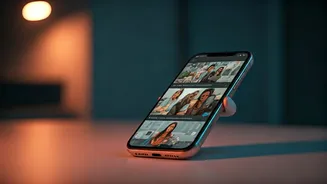
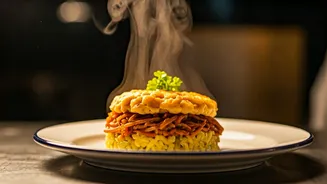
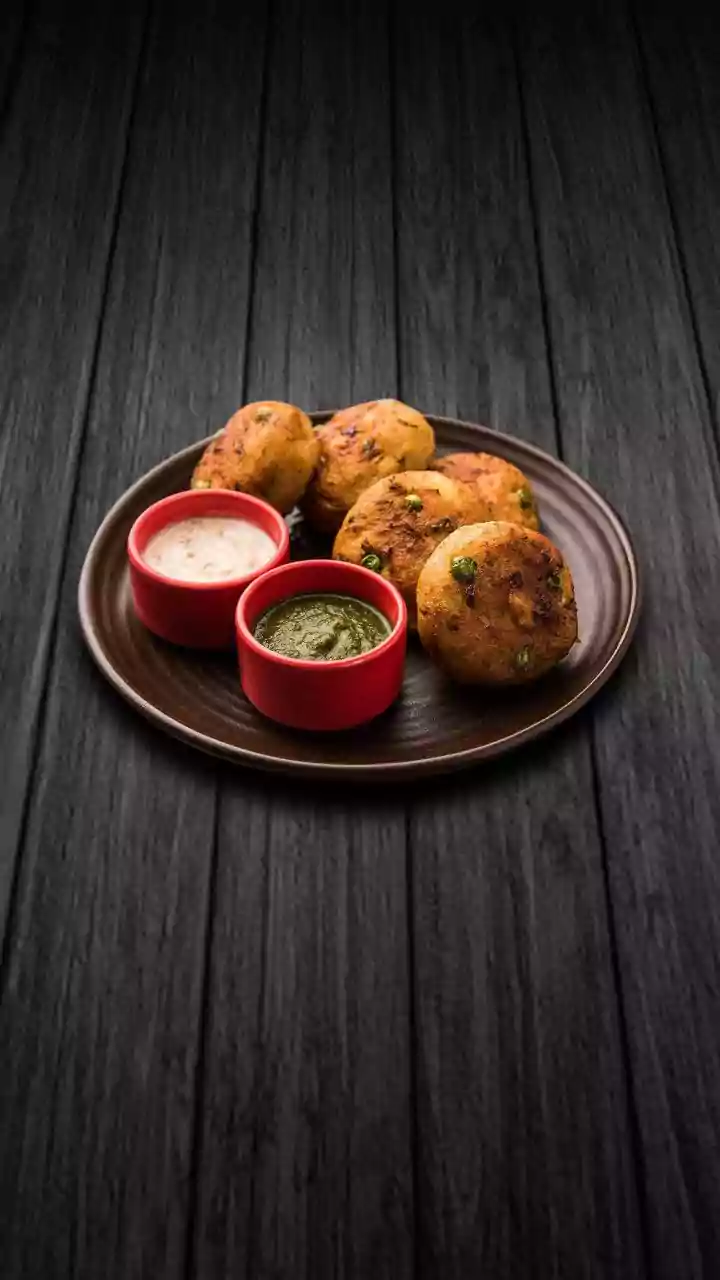
Then came TikTok, and the rules changed entirely. Unlike Instagram's polished grid, TikTok's algorithm thrives on authenticity, speed, and personality. Suddenly, the focus shifted from the final, perfect plate to the chaotic, often hilarious, process of getting there. Cooking on TikTok is less about rigid recipes and more about creative freedom. This shift has given rise to a phenomenon dubbed "chaos cooking," where unusual ingredient combinations and cross-cultural mashups are celebrated. Think birria ramen, tandoori spaghetti, or bao buns filled with hot fried chicken. It's a space where experimentation is encouraged, and failure is just as shareable as success. For Gen Z, who use TikTok as a primary source for food discovery, this unpretentious approach is a breath of fresh air.
Why 'Good Enough' is the New Gourmet
This rejection of perfection isn't just about aesthetics; it's a reflection of deeper generational values and circumstances. Having come of age amidst economic uncertainty and a global pandemic, Gen Z approaches life with a pragmatic blend of creativity and realism. Many feel exhausted by the pressure to signal their beliefs and status through their choices, including food. Authenticity is valued above all else. Cooking at home is often a necessity, driven by budgets that favour groceries over takeout. The trend towards personal, imperfect cooking is also a form of self-care—a way to find joy and exert control in a world that often feels overwhelming. It's about making food that feels good, not just food that looks good for an audience.
What 'Personal Cooking' Really Means
So, what does this new era of personal cooking look like? It's about improvising with whatever is in the fridge to reduce food waste. It’s about the joy of discovery, mixing global flavours like miso caramel or Korean-Mexican fusion without worrying about tradition. It’s also about acknowledging a lack of confidence in the kitchen; some studies show Gen Z feels less skilled than previous generations and is more hesitant to cook for others. Therefore, personal cooking becomes a low-stakes way to learn and build skills. Food is now a form of self-expression and identity, but one that embraces imperfection. It’s the ‘little treat’ bought for a mental boost, the surprisingly delicious meal made from random pantry items, and the freedom to make a dish your own, even if it’s a bit messy.