






The Reality of Digital Burnout
Digital burnout is more than just feeling tired after a long day. It is a state of chronic mental, physical, and emotional exhaustion caused by prolonged and excessive use of digital tools. For remote workers, this is often the default reality. Symptoms
can range from persistent headaches and eye strain to deeper issues like a cynical attitude towards your job, a sense of detachment from your work, and a noticeable drop in professional performance. It stems from a work environment with no natural off-switch, where notifications are constant, and back-to-back video calls leave no room to breathe or think. This digital fatigue accumulates over time, turning what was once a productive routine into a source of stress and exhaustion.
Introducing the Unplugged Window
An unplugged window is not just any break. It is a scheduled, intentional period where you completely disconnect from all digital screens — your laptop, your monitor, and your smartphone. Swapping your work screen for your phone to scroll through social media does not count, as it fails to give your brain the genuine rest it needs. The goal of an unplugged window is to create a hard reset. Whether it is for five, ten, or fifteen minutes, this time is reserved for non-digital activities. It is a conscious decision to step away from the relentless flow of information and give your eyes and your mind a true pause, breaking the cycle of constant stimulation that leads to burnout.
The Science of a True Disconnect
Why are these short, screen-free breaks so effective? The benefits are rooted in cognitive psychology. According to Attention Restoration Theory, our ability to focus is a finite resource that gets depleted with sustained effort. By shifting our attention to something less demanding, especially something non-digital, we allow our cognitive resources to replenish. Even a few minutes spent looking out a window or walking around a room can significantly reduce mental fatigue and improve concentration upon returning to a task. These breaks also combat physical symptoms by reducing eye strain, releasing tension in the neck and shoulders from static posture, and encouraging movement, which improves blood flow and overall energy levels.
How to Build Your Unplugged Habit
Implementing unplugged windows requires intention. Start by scheduling them directly into your calendar, just as you would a meeting. The Pomodoro Technique, which involves working in 25-minute intervals separated by five-minute breaks, is an excellent framework. Use a timer to hold yourself accountable. When the timer goes off, close your laptop and physically step away from your workspace. It is also helpful to communicate your strategy with your team. A simple status message like 'Taking a 10-minute screen break' manages expectations and can even encourage your colleagues to adopt the same healthy habit. The key is consistency; make these breaks a non-negotiable part of your workday.
Simple Ideas for Your Screen-Free Reset
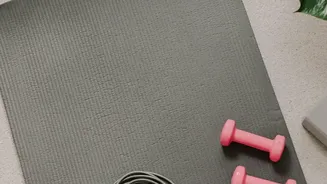
The beauty of an unplugged window is its simplicity. You do not need a complex plan. The only rule is to avoid screens. Here are a few ideas to get you started: stand up and do some simple stretches for your neck, shoulders, and back. Walk to the kitchen to get a glass of water or make a cup of tea. Step outside for a few minutes of fresh air if possible. Spend time with a pet. Look out a window and let your eyes focus on distant objects to combat screen-induced strain. You can even simply close your eyes and practice a minute of mindful breathing. Having a short list of go-to activities makes it easier to disconnect without having to think too much about what to do.