


In a world of refined white rice and maida, ancient grains are making a powerful comeback. Millets, once a staple of our grandparents' kitchens, are being rediscovered as a smart, sustainable, and incredibly nutritious choice for modern Indian families.
What Exactly Are Millets?
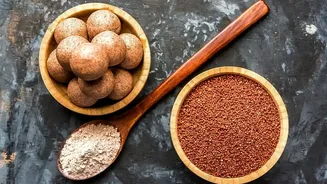
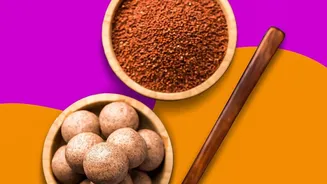
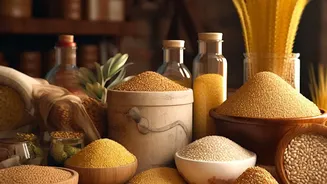
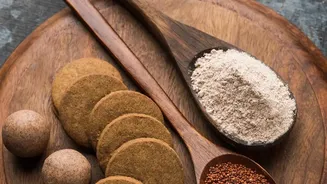
Before they became a 'superfood', millets were simply the everyday grains of India. This diverse family of small-seeded grasses includes well-known varieties like jowar (sorghum), bajra (pearl millet), and ragi (finger millet), as well as lesser-known gems like foxtail millet (kangni/thinai), kodo millet (varagu), and little millet (kutki). Unlike refined grains, which are processed to remove their most nutritious parts, millets are whole grains that retain their natural fiber, vitamins, and minerals. They are hardy crops that have been cultivated for thousands of years, thriving in the dry, arid regions of India where water-intensive crops like rice and wheat often struggle.
A Nutritional Upgrade for Your Plate
The nutritional gap between millets and refined grains is significant. Refined staples like white rice and maida are stripped of their bran and germ, leaving mostly starchy carbohydrates that can cause rapid spikes in blood sugar. Millets, in contrast, are packed with dietary fiber, which aids digestion, promotes gut health, and keeps you feeling full for longer. They are a fantastic source of plant-based protein and are rich in essential minerals. For instance, ragi is celebrated for its high calcium content, crucial for bone health, while bajra is a powerhouse of iron, helping to combat anemia. With a lower glycemic index, millets release energy slowly, making them an excellent choice for managing blood sugar levels and sustaining energy throughout the day.
Good for You, and the Planet Too
The benefits of millets extend far beyond personal health. In an era of climate change and dwindling water resources, these grains are an incredibly sustainable choice. Millets are hardy, drought-resistant crops that require significantly less water than rice and wheat. To put it in perspective, producing one kilogram of rice can require up to 5,000 litres of water, whereas millets need only a fraction of that. They can grow in poor soil conditions with minimal need for synthetic fertilizers and pesticides, reducing the chemical load on the environment. By choosing millets, we not only diversify our own diets but also support a more resilient and eco-friendly agricultural system.
Bringing Millets into Your Kitchen
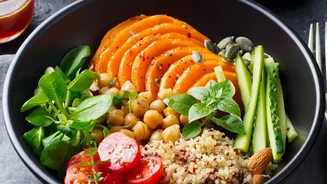
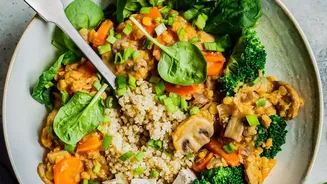
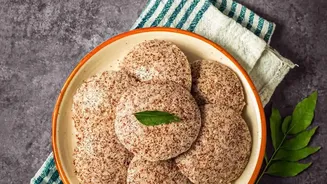
Adopting millets doesn't mean you have to completely overhaul your family's favourite meals. The key is to start with simple, familiar swaps. You can begin by replacing a portion of your rice with cooked foxtail or little millet, which have a similar texture. Breakfast is another easy entry point: try making a wholesome ragi porridge, or a quick upma using foxtail millet instead of suji. For rotis, start by blending 20% jowar or bajra flour with your regular wheat atta; the taste and texture difference is minimal. Classic dishes like khichdi, dosa, and idli can also be easily adapted. A bajra khichdi is a warming winter meal, while a batter made with ragi or other millets can produce delicious, crispy dosas. Soaking the millets for a few hours before cooking can improve their digestibility and texture.