

A diabetes diagnosis can feel like a life sentence without sweets. But modern nutrition science says you don't have to give up dessert entirely. The secret isn't deprivation; it's integration. A sweet treat can fit into a healthy lifestyle.
It’s About the Entire Meal, Not Just the Dessert
For years,
the advice for people with diabetes was to avoid sugar at all costs. Today, the focus has shifted from villainizing specific foods to understanding the total picture. The most important factor in managing blood sugar after eating is the total amount of carbohydrates consumed, not just whether some of those carbs come from sugar. This means a small dessert can be worked into your diet, provided it fits within your overall carbohydrate goals for that meal. The key is to think of your daily carb intake like a budget. If you know you want to have a small cupcake after dinner, you might swap out another carbohydrate from your meal, like a serving of rice or potatoes, to stay within your target range. This trade-off system allows for flexibility and helps prevent feelings of deprivation that can derail healthy eating habits.
Mastering the Art of Carb Counting
Carbohydrate counting is a crucial skill for managing diabetes and making room for treats. Carbs are the nutrients that break down into glucose and have the biggest impact on blood sugar levels. By learning to read nutrition labels and estimate the carb content in foods, you gain the power to plan your meals, including dessert. A typical meal for an adult with diabetes might contain 45 to 60 grams of carbohydrates, but this is highly individual. A small dessert might contain 15 to 30 grams of carbs. By planning ahead, you can ensure the dessert's carbs are accounted for in your meal's total, preventing an unexpected blood sugar spike. For instance, if your meal target is 50 grams of carbs and the dessert is 20, you would build the main course with around 30 grams of carbs.
Look for Fibre, Protein, and Healthy Fats
Not all desserts are created equal. The most diabetes-friendly options contain other beneficial nutrients like fibre, protein, and healthy fats. These components slow down digestion and the absorption of sugar into the bloodstream, leading to a more gradual and gentler rise in blood glucose. Fibre, in particular, acts like a brake system for sugar absorption. This is why a piece of fruit, which contains natural sugars but also fibre, is often a better choice than a candy bar with the same amount of carbohydrates. When choosing or making a dessert, look for ingredients like whole grains, nuts, seeds, Greek yogurt, or even avocado. A dessert that includes these elements is not only tastier but also more satisfying and better for blood sugar control.
Portion Control is Non-Negotiable
Even with healthier ingredients and careful carb counting, portion size remains the most critical factor. A 'diabetes-friendly' dessert is no longer friendly if eaten in large quantities. Reading the serving size on a package is the first step. If you're at a restaurant where portions are often large, consider sharing a dessert with a friend or eating only half. Another strategy is to have your dessert with or immediately after a balanced meal. This can help you feel more satisfied with a smaller portion and blunts the dessert's impact on your blood sugar compared to eating it on an empty stomach. Mindful eating—savouring each bite slowly—can also enhance enjoyment and prevent overindulgence.
Smart and Satisfying Dessert Ideas
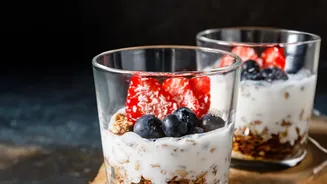
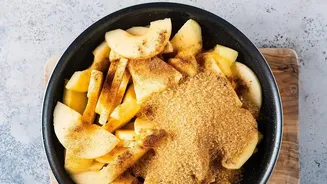
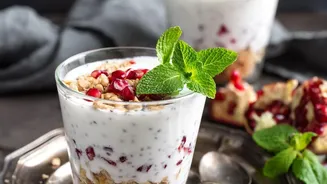
Putting these principles into practice is easier than you think. Instead of focusing on what you can't have, explore the wide world of delicious and balanced treats. Fruitnded desserts are a great starting point. Think baked apples with cinnamon, a bowl of mixed berries with a dollop of Greek yogurt, or grilled peaches. The yogurt adds protein, which helps stabilize blood sugar. For chocolate lovers, a few squares of dark chocolate with 70% cacao or higher offers antioxidants with less sugar. Other smart choices include chia seed pudding made with unsweetened almond milk, avocado chocolate mousse, or homemade cookies using almond flour and a sugar substitute like stevia or monk fruit.