



A Tangible Tradition in a Digital World
Across India’s bustling cities, a quiet, flavourful revolution is taking place. Young adults, from tech professionals in Bengaluru to creatives in Mumbai, are turning to the age-old practice of making 'achaar'. This revival isn't just about food; it's
a deliberate move towards something tangible in an increasingly digital life. The slow, sensory process of selecting vegetables, grinding spices, and patiently waiting for the flavours to mature offers a grounding counterpoint to fast-paced careers. This trend is part of a broader movement where traditional Indian practices are being rediscovered for their relevance to modern life. It’s a return to the kitchen, not as a chore, but as a space for creativity, connection, and mindful activity.
More Than Just a Condiment
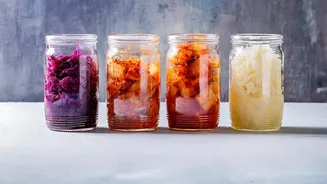
The motivations behind this resurgence are as varied as pickles themselves. For many, it's a powerful way to connect with their cultural roots. In an era of globalisation, recreating a family pickle recipe is a way of holding onto heritage and personal history. Health and wellness are also significant drivers. There's a growing awareness of the benefits of fermented foods for gut health, packed with probiotics that are often absent in mass-produced, vinegar-based pickles. This new generation of pickle makers is interested in the science behind lacto-fermentation, seeking out the natural processes that create complex flavours and nutritional benefits. The desire for clean eating—knowing exactly what goes into your food, free from artificial preservatives—is another compelling factor.
From Family Secrets to Community Workshops
While pickle making was once knowledge passed down almost exclusively within families, its modern revival has a distinctly communal and open-source feel. Today, this wisdom is shared through hands-on workshops, dedicated social media groups, and online tutorials. Experts and passionate home fermenters host sessions across cities, demystifying the science and art of pickling for beginners. These gatherings, sometimes part of larger food festivals, explore everything from traditional recipes to innovative techniques. This shift transforms a private domestic art into a shared public hobby, creating new communities bonded by a love for fermentation.
The Modern Indian Pickle Jar
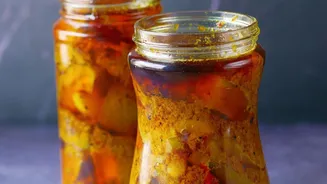
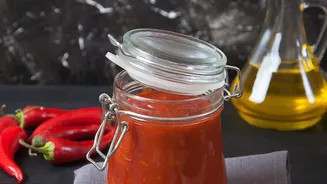
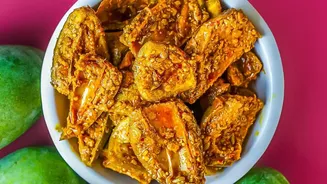
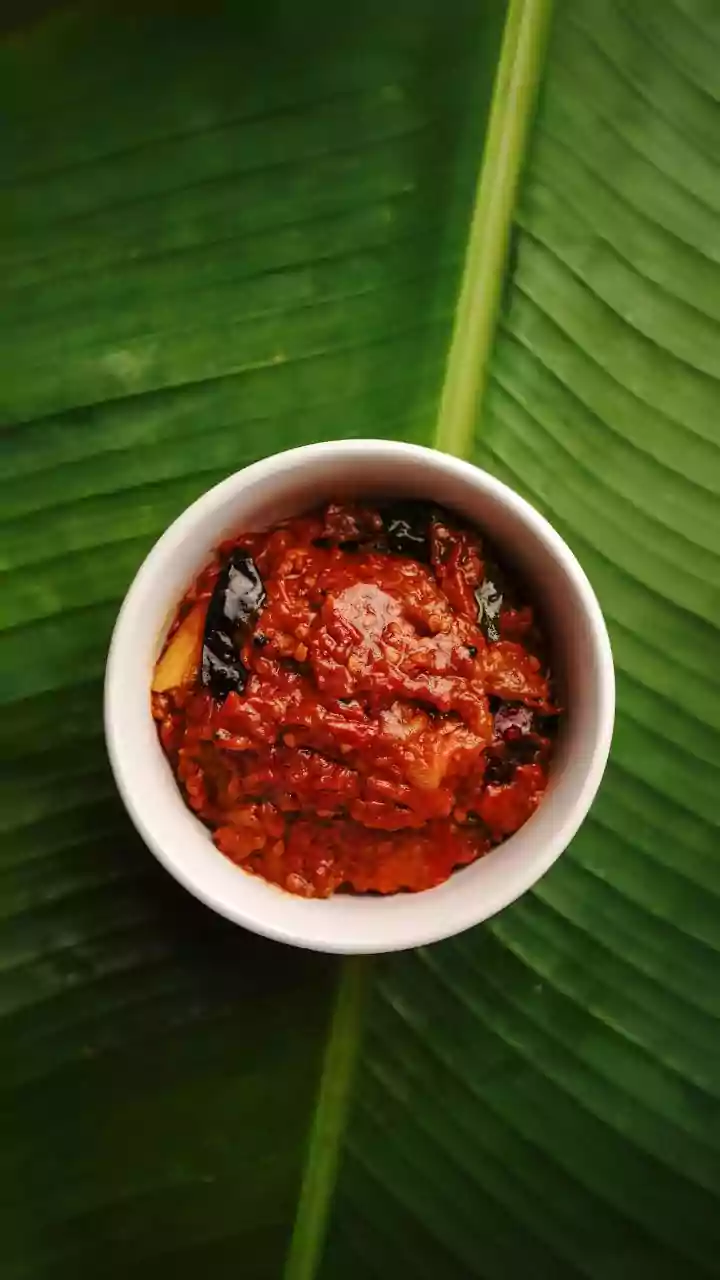
This new wave of pickling is not just about perfect replication; it's also about innovation. While classic recipes for mango, lemon, and mixed vegetable pickles remain beloved, many are experimenting with new ingredients and flavour combinations. Think lacto fermented carrots and radishes, spicy lotus stem pickles, or even unconventional ferments using kale or local greens. There's also a renewed interest in exploring the vast diversity of India’s regional pickling traditions, from the fiery 'Avakaya' of Andhra Pradesh to the mustard rich 'Kasundi' of Bengal. These modern pickle makers are both students of tradition and creators of new ones, proving that heritage food practices can evolve without losing their soul.