



The End of One-Size-Fits-All
For years, the beauty industry operated on a simple model: create a product, promote it heavily, and watch it fly off the shelves. Advice was broad, often coming from celebrity endorsements or magazine ads. But today's consumer, particularly in India,
is far more discerning. Thanks to an explosion of online information, shoppers are more educated about ingredients, formulations, and their own skin's needs. This has sparked a major shift away from generic solutions towards hyper-personalisation. The result is a growing skepticism of influencer marketing, with studies showing that while many people still buy based on influencer recommendations, very few actually trust the content completely. This has paved the way for a movement known as "de-influencing," which encourages mindful consumption and a critical look at what you're buying and why.
The Rise of the Expert
As trust in traditional influencers wanes, a new authority is taking centre stage: the expert. In India, consumers are increasingly turning to dermatologists and cosmetologists for skincare advice. This trend is fueled by a desire for scientifically-backed information and solutions that are proven to be safe and effective. Seeing this demand, many dermatologists have launched their own skincare lines, specifically formulated for Indian skin, which is often exposed to unique environmental stressors like high humidity and pollution. These brands build trust by focusing on education, transparency about ingredients, and creating simpler, more effective routines rather than pushing a complicated, multi-step regimen. Phrases like "clinically tested" and "dermatologist-approved" have become powerful signals of credibility for shoppers navigating a crowded market.
Tech Steps In: AI and Customisation
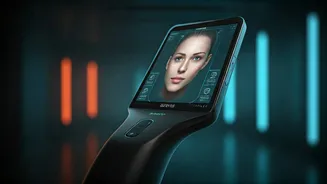
Alongside the human expert, technology is playing a huge role in delivering specific advice. Artificial intelligence (AI) is transforming the industry by offering deep, personalised skin analysis with remarkable accuracy. With just a selfie, AI-powered tools can assess everything from hydration levels and pore size to fine lines and UV damage, then recommend products tailored to those exact needs. The global market for AI in skincare is projected to grow significantly, reaching an estimated USD 7.75 billion by 2035. Brands are integrating these tools into their websites and apps, using quizzes and face scans to guide customers to the right products, which increases conversions and builds loyalty. This tech allows for a level of hyper-personalisation that was previously impossible, moving beyond just product recommendations to creating entire bespoke routines.
How to Find Advice That Works for You
In this new landscape, how can you cut through the remaining noise? The first step is to become your own expert. Start by understanding your skin type and primary concerns. Are you dealing with oiliness, dryness, pigmentation, or sensitivity? Learn to read ingredient labels and understand what key actives—like hyaluronic acid, retinol, or vitamin C—actually do. Secondly, trust professionals over influencers. If you have persistent skin issues, consulting a dermatologist is the most reliable path. For product recommendations, look to brands founded by dermatologists or those that are transparent about their clinical testing. Finally, leverage technology. Many major beauty brands now offer free AI skin analysis tools on their websites. These can provide an excellent, data-driven starting point for building a routine that is truly yours.