





A Farmer's High-Stakes Gamble
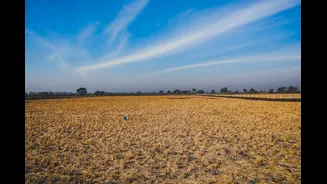
The onion's journey begins as a high-risk gamble for the farmer. Onion cultivation is highly sensitive to weather. Unpredictable monsoons, with either too much or too little rain, can decimate a crop. Farmers invest heavily in seeds, fertilisers, and
labour, often taking on debt to do so. When the harvest is good, a market glut can cause prices to crash, sometimes to as low as one rupee per kilogram, leaving them unable to recover their costs. Conversely, if their crop fails, they are left with nothing, while a shortage elsewhere begins to drive prices up.
The Perishable Problem of Storage
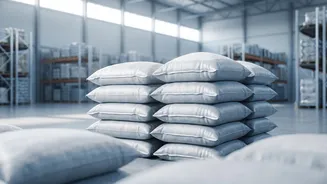
Unlike grains, onions are highly perishable. India lacks adequate modern storage facilities, like cold storage, at the farm level. A significant portion of the harvest is lost to spoilage due to poor storage infrastructure. Rabi onions, harvested in the spring, are better for storage and are meant to supply the nation for months. However, unseasonal rains or heat can reduce their shelf life, leading to rot and sprouting even in government buffer stocks. This forces farmers to sell their produce quickly after harvest, flooding the market and depressing the prices they receive.
The Journey Through Middlemen
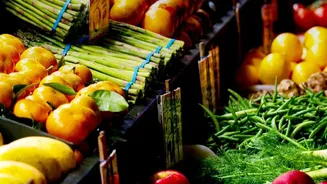
Between the farm and the kitchen, the onion passes through a complex supply chain, often involving multiple middlemen. By the time farmers' produce reaches the urban consumer, the price has been marked up at several stages. This long chain, often involving traders and wholesalers, means that while farmers may receive a pittance for their crop, consumers end up paying a high price. This gap is often blamed on hoarding and profiteering by traders, who may hold back stock to create artificial scarcity and drive up prices, especially during the lean period between harvests.
Government's Difficult Balancing Act
The government is constantly trying to perform a difficult balancing act. To protect urban consumers from soaring prices, it may impose export bans, set stock limits for traders, or release onions from its buffer stocks at subsidised rates. However, these moves often anger farmers. An export ban, for instance, cuts them off from potentially higher international prices, leading to protests. Conversely, policies aimed at helping farmers, such as higher procurement prices, can contribute to inflation for city dwellers. This creates a policy dilemma where pleasing the kitchen often means punishing the field, and vice versa.
The Burden on Urban Budgets
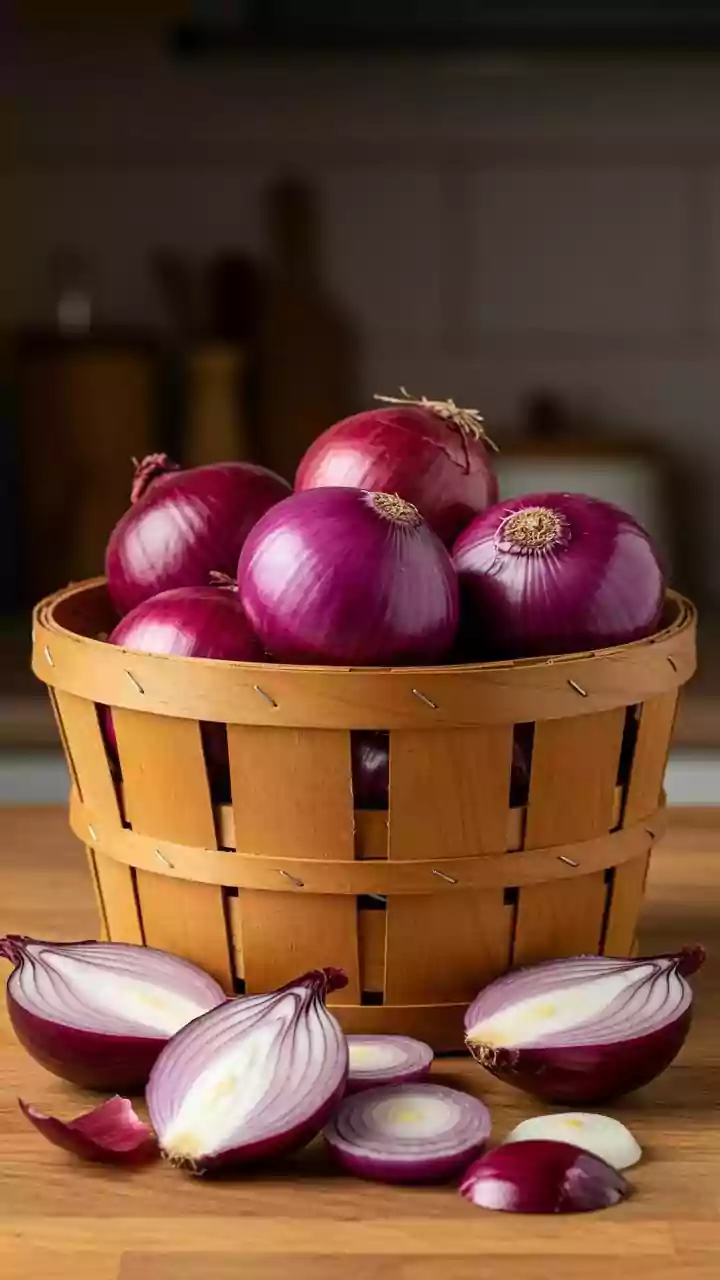
Ultimately, it is the urban shopper who feels the direct impact of these systemic issues. When prices skyrocket, households are forced to cut back on this essential ingredient, impacting daily meals and budgets. The irony is that even when consumers pay high prices, the farmer who grew the onion often doesn't benefit. The price surge is usually a result of the post-harvest supply chain chaos—a combination of storage losses, logistical hurdles, and market speculation. A price spike for onions often becomes a potent symbol of broader food inflation, affecting household confidence and putting pressure on the entire economy.