



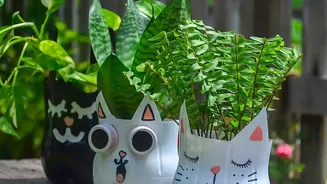
Looking to refresh your home decor without a trip to the store? Your recycling bin might hold the key. This guide shows you how to transform everyday items into stunning, one-of-a-kind vases, adding a personal and sustainable touch to any room.
The Classic: Glass Jars and Bottles
The easiest
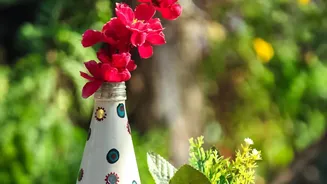
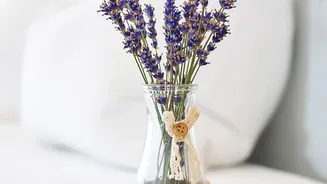
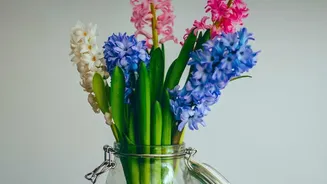
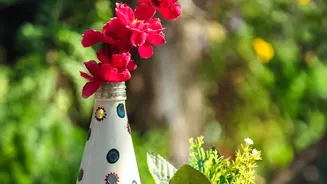
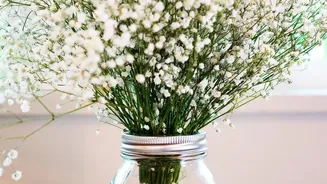
entry into upcycled vases is the humble glass jar or bottle. From olive oil bottles to jam jars, glass containers are endlessly versatile. Start by soaking them in warm, soapy water to easily peel off any labels and adhesive residue. For stubborn spots, a little rubbing alcohol or a specialized adhesive remover will do the trick. Once clean and dry, they are ready for flowers. For a simple, rustic look, leave the glass clear. To add a pop of colour, you can paint the outside. Spray paint provides a smooth, even finish, while acrylic craft paints allow for more detailed, hand-painted designs. For a modern, two-toned effect, use painter's tape to create crisp lines before painting. You can also wrap the bottle in twine, raffia, or ribbon for a touch of texture.
From Pantry to Pretty: Tin Cans
Don’t overlook the potential of tin cans from soup, vegetables, or coffee. Their metallic surface provides a fantastic canvas for creativity. First, ensure the can is thoroughly cleaned and that there are no sharp edges around the rim. If there are, carefully file them down. For a quick transformation, you can simply wrap the can in decorative paper or burlap ribbon. Painting is another great option. A coat or two of craft paint can completely change its appearance. Consider a matte chalk paint for a rustic farmhouse look or a metallic copper spray paint for a more industrial-chic vibe. If using fresh flowers, it's a good idea to place a smaller glass jar or plastic cup inside the can to hold the water, preventing any potential rust and keeping the flowers fresh longer.
Creative Ceramics: Mugs, Teacups, and Bowls
That chipped mug or lonely teacup without a saucer can find a second life as a charming bud vase. These smaller containers are perfect for single stems, small posies, or even for rooting plant cuttings on a windowsill. The beauty of using old ceramics is that they often come with their own character, whether it's a vintage pattern or a unique shape. If you have a ceramic or clay vase that's broken, you can even repurpose it as a unique, layered planter for succulents or other small plants, using the broken shards to create interesting visual effects. Grouping a few mismatched mugs or teacups of varying sizes can create an eclectic and whimsical display on a shelf or mantelpiece.
Get Creative With Your Techniques
Once you have your vessel, the real fun begins. Texture can elevate a simple container into a piece of art. A mix of baking soda or plaster of Paris with acrylic paint can create a faux ceramic or stoneware finish. Applying this with a brush gives an organic, handcrafted feel. For a more rustic look, wrapping a bottle or can tightly with jute rope gives it a nautical or farmhouse vibe. You can also experiment with decoupage, using decorative napkins or fabric scraps to apply beautiful patterns to any smooth surface. For clear glass, consider inserting a sheet of decorative gift wrap inside for a splash of colour and pattern that can be changed out with the seasons.
Crafting a Cohesive Display
The art of displaying your upcycled vases is what brings the look together. A collection of different pieces often looks best when unified by a common element. This could be a consistent colour palette, a similar texture, or a shared material. Try grouping your creations in odd numbers, like three or five, which is often more visually appealing than even numbers. Vary the heights and shapes of your vases to create rhythm and interest. A tall wine bottle, a medium -sized jam jar, and a small mug can look wonderful together. Place them on a tray, a stack of books, or a decorative runner to anchor the arrangement and make it feel like a deliberate , curated centrepiece.