





A Taste of Summer's Past
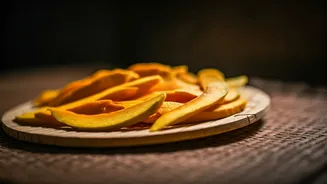
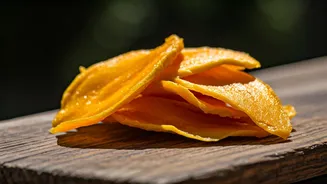
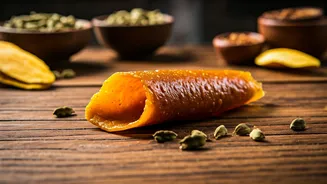
For anyone who grew up in India, aam papad is not just a snack; it's a cherished memory. [15] Known also as aamshotto in Bengal or mamidi tandra in Andhra Pradesh, this traditional fruit leather is made by cooking down mango pulp with sugar, spreading
it into thin layers, and leaving it to dry under the summer sun. [3, 2] The result is a delicious, chewy concentrate of pure mango goodness that preserves the flavour of the season long after the last mango has been devoured. [2] Historically, it was a resourceful way to preserve the bounty of summer mangoes, a culinary tradition often spearheaded by the family matriarchs. [3] This connection to family, tradition, and the simple joys of childhood is what gives aam papad its powerful nostalgic appeal. [15, 18]
The New Wave of Homemade
Lately, this slice of the past is finding a new lease of life, thanks to Gen Z. A growing movement towards understanding and reviving traditional recipes is taking hold among India's youth. [17, 22] Driven by a desire for healthier, preservative-free foods and a connection to their cultural roots, many are turning their kitchens into labs for culinary heritage. [17] The trend has been amplified by social media, where videos of homemade aam papad have garnered millions of views. However, some viral videos showing large-scale production with questionable hygiene have also spurred a counter-movement: making it oneself to ensure quality and cleanliness. [25] This DIY spirit aligns perfectly with a post-pandemic surge in home cooking and a newfound appreciation for the skills and wisdom of previous generations. [19]
Tradition with a Twist
While the soul of aam papad remains the same, the Gen Z approach is all about personalisation and experimentation. The classic recipe involves just mango pulp and sugar, but today's home cooks are adding their own unique spins. [11, 2] Some are swapping sugar for healthier alternatives like jaggery. [2] Others are infusing the pulp with a variety of spices, from the traditional black salt and cardamom to more adventurous additions like chilli flakes and roasted cumin powder, creating a 'chatpata' flavour profile that is both sweet and spicy. [2, 14] There's also experimentation with different types of mangoes, from the classic Alphonso and Kesar to tangy raw mangoes, each lending a different character to the final product. [2, 10]
From Sun-Drying to Ovens
Perhaps the biggest innovation is in the drying process itself. Traditionally, making aam papad was a patient ritual, requiring days of intense sunshine to dehydrate the mango layers spread on steel plates or mats. [21] This method, while effective, isn't always practical in modern urban living, with limited access to clean, open spaces. Enter modern technology. Many young cooks are now using ovens or food dehydrators to speed up the process. [9, 13] Baking the mango puree at a very low temperature for a few hours achieves the same leathery texture in a fraction of the time, making the entire process more accessible and achievable on the same day. [9, 12] This blend of ancient recipe and modern convenience is key to the snack's revival. [24]