
What is Kufri Jamunia?
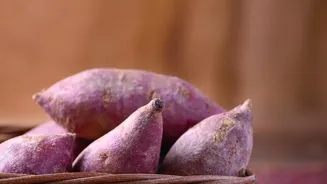
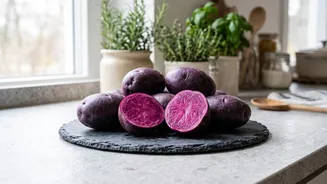
Kufri Jamunia is an indigenously developed, biofortified potato variety with a striking dark purple skin and equally vibrant purple flesh. Developed by the ICAR-Central Potato Research Institute (CPRI) in Shimla and officially released in 2024, it represents
a significant step in agricultural innovation in India. Unlike some earlier coloured varieties where the pigment was only skin-deep, Kufri Jamunia's colour permeates the entire tuber. This is important because it means the beneficial compounds that give it its colour are present throughout, surviving peeling and various cooking methods. The variety is a medium-maturing crop, taking about 90-100 days to harvest, and is well-suited for cultivation in the Northern Indian plains, including states like Punjab, Haryana, Uttar Pradesh, and Bihar.
The Science Behind the Colour
The brilliant purple hue of Kufri Jamunia comes from natural pigments called anthocyanins. These are the same powerful antioxidants found in other famously purple and blue foods like jamun, blueberries, and blackberries. Anthocyanins are known for their health-promoting properties, particularly their ability to fight oxidative stress in the body. The development of Kufri Jamunia was a deliberate effort in biofortification—a process of breeding crops to increase their nutritional value. Researchers at CPRI cross-bred two different potato lines to create a new variety that naturally accumulates higher concentrations of these beneficial pigments.
A Nutritional Powerhouse
Kufri Jamunia isn't just a pretty face; it packs a serious nutritional punch. According to data from the Press Information Bureau, it contains significantly higher levels of several key nutrients compared to conventional potatoes. A 100-gram serving of Kufri Jamunia flesh boasts approximately 42 mg of anthocyanins, alongside elevated levels of Vitamin C (42.75 mg), iron (3.22 mg), and zinc (2.28 mg). These figures are notably higher than those found in common potato varieties. Research on purple potatoes in general suggests that their high anthocyanin content may contribute to a range of health benefits, including supporting heart health, lowering blood pressure, and reducing inflammation. These antioxidants work to protect the body's cells from damage, which can help lower the risk of chronic diseases.
From the Farm to Your Kitchen
Beyond its benefits for consumers, Kufri Jamunia is also a promising crop for farmers. It is a high-yielding variety, capable of producing 32-35 tonnes per hectare, with trials showing potential for even more. It also has good storability, with a dormancy period of 6-8 weeks, which means less premature sprouting and waste after harvest. In the kitchen, Kufri Jamunia is quite versatile. It has a 'mealy' texture, which makes it suitable for a wide range of Indian dishes. It can be used in curries, fried for 'bhujia', mashed for parathas and puris, or even processed into nutrient-rich flour for baked goods. Its flavour is often described as slightly nuttier and earthier than white potatoes. While some studies on other purple potato varieties suggest steaming and microwaving are best for preserving nutrients, its use in traditional cooking is widely encouraged.