






The Morning Misfire
Step into a major fast-food chain in the morning, and you are greeted by a menu that feels more at home in London or New York than in Mumbai or Bengaluru. The stars of the show are typically English muffins, pancakes, and hash browns. McDonald's India
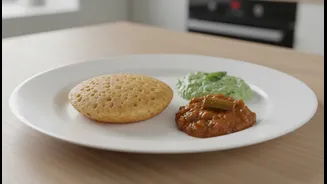
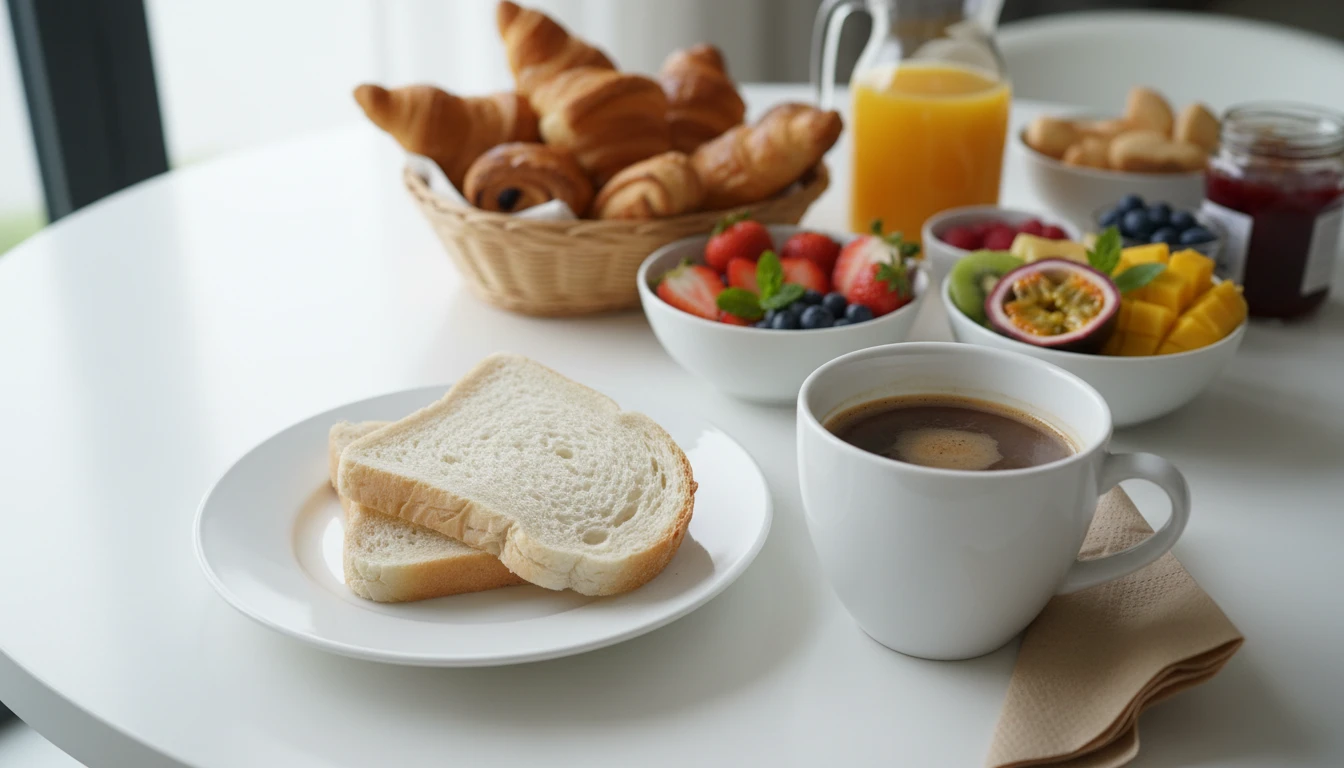
offers the Veg McMuffin, with a spinach and corn patty, and Hot Cakes. Burger King's global breakfast platform heavily features the 'Croissan'wich'. While perfectly fine in their own right, these offerings represent a fundamental misunderstanding of the Indian breakfast palate. For a nation accustomed to savoury, spicy, and diverse morning meals, a sweet pancake or a dense, dry muffin often feels less like a satisfying breakfast and more like a bland snack. The experience can be underwhelming, a far cry from the vibrant flavours that define the country's morning food culture.
Breakfast Is Not Just Another Meal
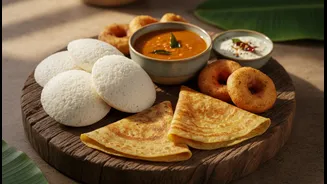
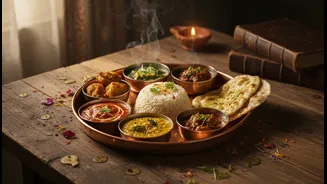
In India, breakfast is a deeply ingrained cultural ritual. It’s not a grab-and-go afterthought; it’s a hot, freshly prepared meal that varies dramatically by region. In the south, it's light, steamed idlis and crispy dosas served with sambar and chutney. Head north, and you'll find hearty parathas stuffed with potato or paneer, enjoyed with yoghurt and pickles. In the west, poha (flattened rice) and theplas are staples. What unites these disparate dishes is a preference for savoury, complex flavours and fresh preparation. It's a comforting, substantial start to the day. The typical QSR model of pre-prepared, quickly assembled, and often sweet or mildly seasoned items simply doesn't align with these deep-rooted habits. This isn’t just about taste; it’s about a cultural disconnect.
The Localization Paradox
The great paradox is that these same QSR giants have demonstrated a brilliant ability to localize their menus for other meals. McDonald's gave India the McAloo Tikki burger, a masterstroke of adaptation that respected local tastes. Burger King and others have also successfully Indianized their offerings for the lunch and dinner crowd. Yet, this innovative spirit seems to vanish before 11 a.m. The breakfast menu remains stubbornly Western. There have been attempts, like McDonald's introduction of the 'Masala Dosa Brioche' years ago, but these have been exceptions rather than the rule and often failed to gain lasting traction. This failure to apply a proven localization strategy to the breakfast market represents a significant blind spot and a massive missed commercial opportunity.
The Local Heroes Winning the Morning
While global chains struggle, local players are quietly dominating the breakfast scene. Eateries ranging from street-side vendors to organized chains like Haldiram's, Bikanervala, and Saravana Bhavan have long catered to the Indian breakfast palate with remarkable success. They serve exactly what people want: hot, fresh, and familiar dishes like chole bhature, poha, and idli-vada. Even newer chains like Chaayos, which focus on chai, have built a successful model by pairing India's favourite morning beverage with complementary local snacks. These businesses understand that convenience cannot come at the cost of authenticity. Their success provides a clear playbook for what works: embrace regional diversity, prioritise fresh and hot preparation, and deliver the savoury flavours that Indians crave in the morning.
A More Flavourful Path Forward
The opportunity for QSRs is not to simply copy street vendors but to innovate within the Indian breakfast framework. Imagine a quick-service counter offering hygienically prepared, neatly packaged poha bowls with various toppings, or mini idlis with a selection of chutneys. Think about a 'Paratha Pocket' or a 'Upma Cup' designed for easy, on-the-go consumption. Brands like Goli Vada Pav have already proven that a single, beloved Indian snack can be standardized and scaled into a successful QSR model. The operational challenges of preparing these dishes at speed are real, but not insurmountable for companies with sophisticated global supply chains. The first global QSR to genuinely crack this code won't just be adding new items to a menu; they will be tapping into a core rhythm of Indian daily life.